
Share This Article
The smart home was supposed to be seamless. You would control everything from your phone, lights, temperature, security, entertainment, all coordinated through a unified system. Instead, most homes end up with an ecosystem of incompatible devices from different manufacturers, each with its own app, its own logic, and its own refusal to communicate with everything else. Your smart lights work on one network protocol, your thermostat on another, your security system on a third. Automations that should be simple become frustratingly complex because devices don’t understand each other’s state or capabilities. You want your lights to automatically turn on when you unlock the door, but because your lock and lights use different ecosystems, the automation requires a third-party service that sometimes works and sometimes doesn’t. This fragmentation transforms the smart home from convenient into complicated, you gained the ability to control individual devices remotely, but lost the ability to have those devices actually work together intelligently. True smart home integration requires devices that aren’t just connected, but collaborative. MOVA.TECH smart home solutions approach this problem differently by building devices designed to understand and coordinate with each other, creating genuine integration rather than scattered remote control. When your smart home actually works as intended, it transforms from frustration into authentic convenience.
The Ecosystem Problem in Smart Homes
Smart home fragmentation stems from a fundamental industry problem: competing standards. Early smart home pioneers built systems around proprietary protocols designed for competitive advantage. If you bought Philips lights, they worked best with Philips hubs and Philips automation. Amazon built Alexa around its own ecosystem. Google built Home around its own standards. Apple built HomeKit with its own requirements. Rather than converging on shared protocols, manufacturers doubled down on lock-in, creating walls between ecosystems. The result is a home where your Philips lights have no idea what your Nest thermostat is doing. Your security camera can’t coordinate with your smart speakers because they use different communication protocols. Automations must route through cloud services, introducing latency and failure points. You end up managing multiple apps, multiple accounts, multiple automation layers, and when something breaks, which it inevitably does, you’re stuck troubleshooting across competing platforms with no common language. Device compatibility checkers exist because compatibility isn’t default. This fragmentation costs real convenience: automations work unreliably, adding devices requires researching compatibility matrices, and you’re locked into single manufacturers because switching means replacing your entire setup. MOVA.TECH addresses fragmentation by designing devices that collaborate natively rather than requiring bridges and workarounds.
How True Integration Works
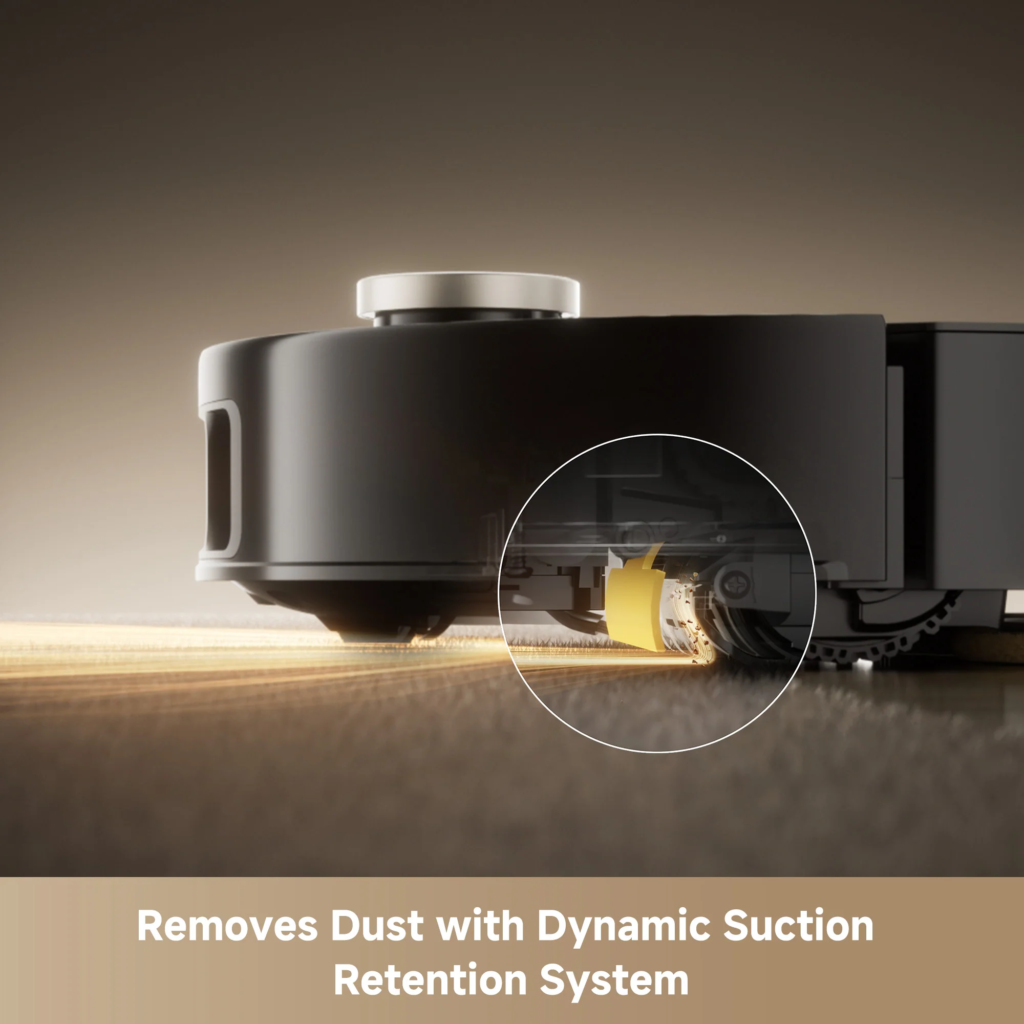
Genuine smart home integration requires shared language, devices must understand each other’s capabilities, state, and intentions. When you unlock your front door, the system should know immediately because the lock directly communicates the event. When you set your thermostat to night mode, your lights should understand this context without separate automation rules. When motion is detected in the living room, every relevant device should receive this information simultaneously so they can coordinate response, lights might turn on, entertainment systems might pause, security cameras might activate recording. This kind of coordination requires architecture that puts device communication first. Rather than each device independently connecting to the cloud and waiting for instructions, integrated devices speak directly to each other when possible, sharing state in real time. A light switch doesn’t need to send a signal to the cloud, wait for cloud processing, and receive a command back. It can directly communicate with nearby lights, creating instantaneous response. This local-first architecture eliminates cloud latency, improves reliability by reducing dependency on internet connectivity, and enables coordination that would be impossible if every device must individually contact a remote server. Building this requires standardized communication protocols that all devices speak natively. MOVA.TECH smart home products implement this collaborative architecture so devices coordinate locally rather than waiting for cloud instruction.
Local Intelligence Versus Cloud Dependency
Many smart home systems rely heavily on cloud processing. When you ask Alexa to dim the lights, the command travels to Amazon’s servers, undergoes processing, and returns an instruction to your light. This cloud-centric design creates multiple problems. Internet outage means your smart home stops working. Cloud processing introduces latency, the light doesn’t dim immediately, it dims after a network round trip. Cloud dependency creates privacy concerns: your activity patterns flow through company servers. And cloud services get deprecated; features you rely on disappear when companies change priorities or get acquired. Better smart homes are built on local intelligence: devices process information locally whenever possible and only use cloud services for features that genuinely require them. Your lights can turn on from a motion sensor without touching the cloud. Your thermostat can adjust temperature based on occupancy without uploading your presence data. Automations can execute locally on a hub device rather than requiring cloud servers. This architecture is more resilient, faster, and more private. It also works when internet fails, your smart home doesn’t become a dumb home just because your internet goes down. Local intelligence doesn’t mean complete disconnection from cloud services; cloud can provide weather data, remote access, advanced analytics, and AI features that benefit from processing power. But the everyday operation of your home shouldn’t depend on it. MOVA.TECH systems prioritize local processing and coordination, keeping your home intelligent even when internet connectivity fluctuates.
Voice Control, Properly Implemented

Voice control became synonymous with smart home convenience, but poorly implemented voice systems are frustrating. You call out a command, nothing happens for three seconds while the device connects to cloud services, processes your speech, converts to text, sends to a language model, receives a response, and finally executes the command. You repeat yourself because the device didn’t hear you. You have to speak the exact phrase the system expects or it doesn’t understand. And constantly listening microphones raise privacy concerns, you’re discussing private matters within range of devices that transmit to company servers. Properly implemented voice control works faster by processing locally. The device hears a keyword, recognizes a few expected commands locally without cloud transmission, and executes immediately. Only complex requests that require advanced natural language understanding go to cloud services. Combined with clear privacy controls, microphone activation is explicit, recording is local until you give permission, voice becomes genuinely useful rather than frustrating. But voice shouldn’t be the primary interface for a well-designed smart home. Your home should understand your presence, your schedule, your preferences, and your patterns. Voice becomes the backup for explicit commands when automation didn’t anticipate what you needed. When your home works so well that you rarely need to speak commands, you know the ambient intelligence is succeeding.
Building Your Integrated Smart Home
- Start with a solid foundation, choose a hub system that supports open standards and local processing rather than proprietary ecosystems.
- Add devices that communicate directly with your hub and each other, not through separate cloud services.
- Prioritize presence awareness, devices that know who is home, where in the home they are, and what activity patterns are normal.
- Create context-aware automations that understand time of day, occupancy, activity type, and adjust multiple systems simultaneously.
- Maintain privacy, select devices that process locally, avoid constant cloud transmission, and give you explicit control over data sharing.
The Intelligent Home Experience
When integration is done properly, the experience shifts from managing devices to inhabiting an intelligent space. You arrive home and the door unlocks as you approach. Lights gradually brighten at natural times. Temperature adjusts based on occupancy. Security systems understand the difference between family arrivals and intrusions without false alarms. Entertainment systems pause when you leave, resume when you return. Presence is sensed, not commanded. This requires devices that don’t just execute isolated commands but understand context and coordinate across your home. It requires architecture that prioritizes speed and reliability over cloud dependency. It requires standards that let different manufacturers’ devices communicate natively. Most importantly, it requires thinking about your home as a system rather than a collection of gadgets. MOVA.TECH smart home technology is built on this integrated approach, treating your home as a unified intelligent system rather than separate remote-controlled devices.
Your home should be smarter than its individual devices.