
Share This Article
Measure Before Comparing Designs
Fine jewelry often looks simple on a product page, yet fit changes how a piece feels and how often it is worn. Rings need enough room to move over the knuckle without spinning excessively, while bracelets need space for comfort without sliding so far that they catch on clothing. Ophelia Eternity Jewelry provides sizing guidance for rings and bracelets, making measurement a sensible first step before metal color, stone size or setting style becomes the main focus.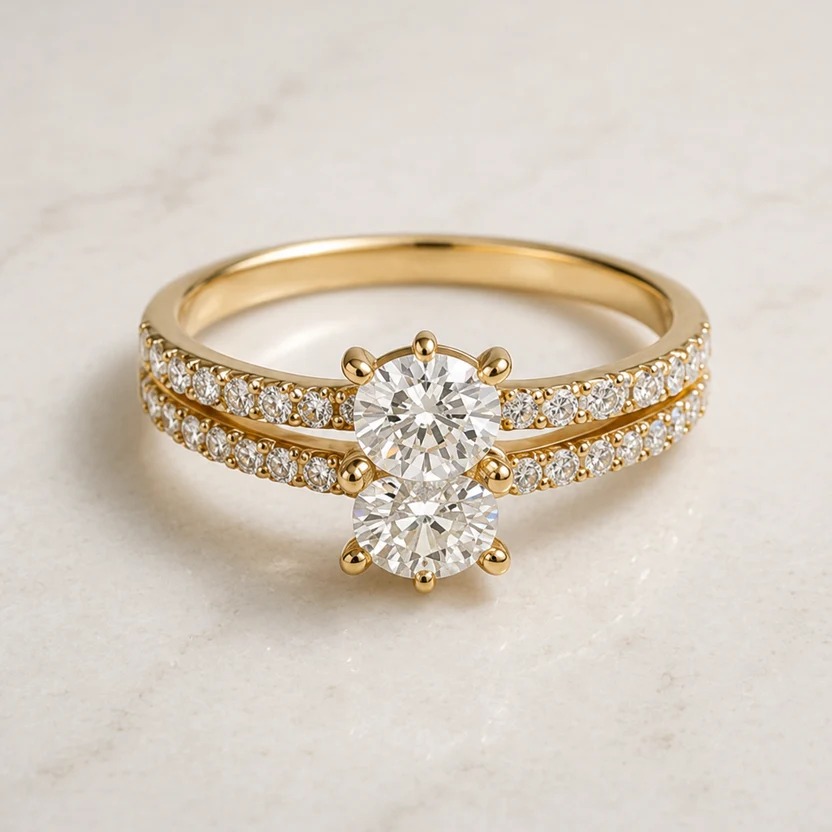
Finger and wrist measurements can vary with temperature, time of day and normal swelling. A ring measured when the hands are unusually cold may feel tighter later, while a bracelet measured over a sleeve will not reflect actual wrist size. A shopper should measure more than once under ordinary conditions and compare the result with the brand size chart rather than relying only on a ring owned years earlier.
Fit should also reflect the intended use. A wide band can feel tighter than a thin one even at the same nominal size, and a heavier bracelet may need a slightly different amount of ease than a delicate chain. Accurate sizing reduces resizing work later and helps the buyer evaluate the design based on comfort as well as appearance.
Match Stone and Metal Choices to Lifestyle
The collection at Ophelia Eternity Jewelry includes moissanite, lab-grown diamond and lab-grown colored gemstone designs across rings, necklaces and bracelets. Those materials can create very different visual effects, but daily wear depends just as much on setting height, prong exposure and metal choice. A raised center stone may create dramatic sparkle while also catching more easily on knitwear, gloves or hair.
Metal should be considered for both appearance and maintenance. White metals create a cool frame around clear stones, while yellow and rose tones can make the same stone feel warmer. Solid gold and platinum options also differ in weight, hardness and how surface marks develop over time. A buyer who works with the hands frequently may prefer a lower-profile design that is easier to wear consistently.
Stone size should be evaluated in proportion to the hand, wrist or neckline instead of only by carat weight. Two pieces with similar total weight can look different because of stone shape, setting style or the number of stones. Product dimensions and close-up images are useful, but a ruler placed against the hand or wrist can provide a more realistic sense of scale.
The buyer should also think about how often a piece will be removed. Rings taken off for work, exercise or cleaning need a safe temporary place so they are not repeatedly left beside sinks or on open counters. Bracelets with delicate clasps may require more careful handling than solid bangles, and long necklaces can tangle when stored without separation. If a piece is intended as a gift, discreetly confirming the recipient’s size through an existing item can be more reliable than guessing from average measurements. Small planning decisions can protect both comfort and the emotional value of the jewelry.
Checks Before Ordering Fine Jewelry
- Ring or bracelet measurements should be taken more than once and compared with the published size guide.
- A Ophelia Eternity Jewelry design should be reviewed for setting height, stone arrangement and metal type as well as total carat weight.
- The buyer should read care guidance before assuming that every gemstone or metal can be cleaned with the same method.
- Engraving, custom dimensions or made-to-order options should be checked carefully because they may affect production and return conditions.
- Shipping, insurance and delivery arrangements should be planned so a valuable parcel is not left unattended.
Plan Care Around the Construction of the Piece
Jewelry lasts longer when care matches the material. A soft cloth is often suitable for routine surface cleaning, while ultrasonic or chemical methods may not suit every stone, treatment or setting. Ophelia Eternity Jewelry pieces that combine gemstones with precious metal should be handled according to the guidance for the most sensitive component rather than the toughest one.
Storage should keep pieces separated. Rings can scratch one another, bracelet clasps can catch fine chains and harder stones can mark softer metal surfaces. A lined compartment or individual pouch helps reduce friction. Jewelry should also be removed before activities that expose it to strong chemicals, heavy impact or unnecessary pressure.
A well-chosen piece should fit both the body and the routine. Ophelia Eternity Jewelry offers designs with different metals, stones and scale, but the most successful choice is one that remains comfortable enough to wear regularly. Careful measurement, realistic lifestyle planning and suitable storage make the design easier to enjoy long after the first impression has passed.
Comfort after several hours is another useful test. A ring that presses against neighboring fingers or a bracelet that repeatedly rotates can become annoying even when the size is technically correct. Buyers should think about typing, driving, winter clothing and other ordinary situations in which the piece will be worn. Everyday compatibility is often what determines whether fine jewelry becomes a favorite or remains in a box.