
Share This Article
Running shoes cover a wide range of needs, from easy daily miles to race-day speed, and finding affordable running shoes that still perform well matters for most runners. Brands like Saucony organize their footwear into clear categories so shoppers can match a shoe to a specific purpose without guessing. This overview walks through those categories, the technology behind them, and the gear that rounds out a complete running setup.
Understanding Saucony’s Running Shoe Categories
Saucony splits its lineup by purpose rather than by a single catch-all design, covering daily trainers, performance racing models, trail shoes, and lifestyle sneakers within one catalog. There are daily trainers built for everyday mileage, performance models aimed at speed work and racing, and trail shoes meant for off-road conditions. Lifestyle sneakers and apparel round out the catalog for runners who want gear beyond training sessions. This structure makes it easier to find affordable running shoes suited to a particular kind of run instead of a one-size-fits-all option.
The Endorphin Collection for Speed and Performance
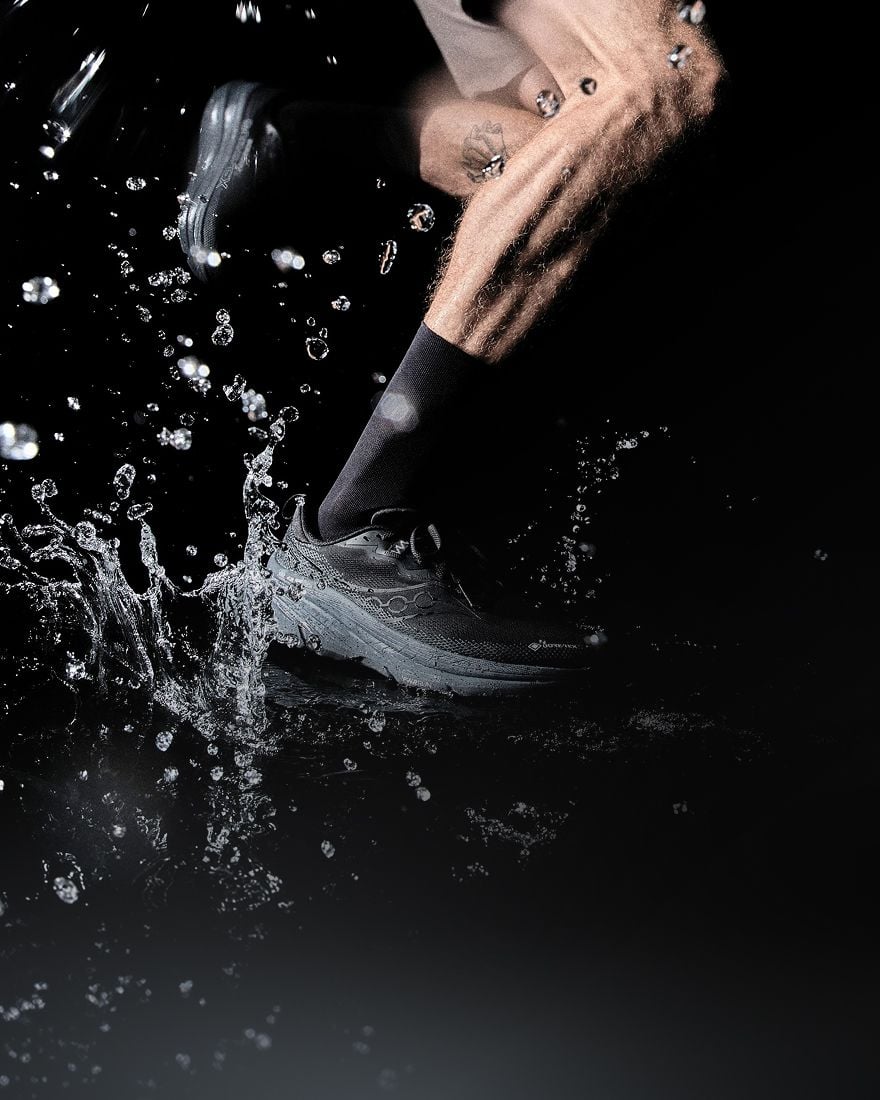
The Endorphin Collection brings together advanced cushioning and plate technologies for training, speed days, and race day. The Endorphin Speed 6 is built for road running, with a nylon plate and a firm, responsive feel suited to fast training and race-pace work. The Endorphin Pro 5 uses a slotted carbon plate and a balanced, responsive ride for road racing, while the Endorphin Elite 3 sits above it with a full-length slotted carbon fiber plate and a softer, responsive feel also aimed at road racing. Both models target racing, but the plate construction and ride feel separate them.
The Endorphin Azura serves a different role within the same family, positioned as a daily training shoe with a fast and light feel and no plate at all. That makes it one of the more accessible entries into the collection for runners who want some of that speed-oriented feel in a shoe meant for regular training. Spreading these models across different uses, from daily training to full racing, gives runners options depending on how often and how fast they plan to run.
Daily Training Options: ProGrid and Guide Series

Beyond the Endorphin line, the brand offers dedicated daily trainers such as the Guide 19 and the Hurricane 26, both described as everyday shoes. The ProGrid name also appears across several models, including the ProGrid Guide 7, the ProGrid Omni 9 GTX, the ProGrid Triumph 4, and the ProGrid Ride 1. These shoes are built around consistent, everyday use rather than race-day performance, which typically makes them a practical entry point among affordable running shoes for runners logging regular mileage.
Having both the Guide and ProGrid naming conventions in the catalog gives runners more than one route to a dependable daily trainer. It also means the choice between models can come down to specific features of each shoe rather than a single default option. For runners newer to structured training, this breadth of daily trainers matters as much as the race-day shoes that tend to get more attention.
Trail and Weather-Ready Shoes with Gore-Tex Technology
For off-road running, Saucony‘s catalog lists the Peregrine 16 as its trail-focused shoe, alongside the Shadow 6000 GTX and Shadow 5000 models. Several of these, including the ProGrid Omni 9 GTX, incorporate Gore-Tex technology, framed around the idea that weather conditions should not dictate whether a run happens. That combination of trail-ready builds and Gore-Tex versions gives runners a way to keep training through wet or unpredictable conditions.
This weather-ready segment sits alongside the road-focused Endorphin and ProGrid lines rather than replacing them. Runners who split time between pavement and trail can draw from both categories depending on the day’s route, since each group of shoes is built around a specific running scenario.
Building a Complete Running Kit Beyond Shoes
The range extends past footwear into apparel for both men and women, including tops, leggings, shorts, and pants built for running. There is also a lifestyle clothing line for those who want that look outside of structured training sessions. Combined with the trail and road shoe categories, this gives runners a way to assemble a fuller kit from one source rather than piecing it together from several.
That breadth matters for runners comparing affordable running shoes against the apparel and accessories that go with them. Having tops, bottoms, and footwear organized under the same categories, daily versus performance versus trail, keeps the shopping experience consistent across product types. It also means seasonal needs, like weather-ready trail gear, can be matched with suitable clothing from the same catalog.
- Daily trainers such as the Guide 19, Hurricane 26, and the ProGrid series are built around consistent everyday mileage.
- The Endorphin Azura offers a fast and light daily training feel without a plate, sitting between everyday trainers and full racing shoes.
- The Endorphin Speed 6 adds a nylon plate for runners training for speed or racing on the road.
- The Endorphin Pro 5 and Endorphin Elite 3 are positioned specifically for road racing, with carbon plate constructions.
- The Peregrine 16, Shadow 6000 GTX, and Shadow 5000 cover trail and weather-ready running needs.
Free Shipping and Returns Make Shopping Low-Risk
The brand backs its catalog with straightforward shopping terms rather than vague promises. Shipping comes at no extra charge, and returns are accepted free of charge within 30 days of purchase. Runners can also use the Shop with Saucony AI assistant to ask questions, such as the difference between the Endorphin, Ride, Triumph, and Guide lines, before deciding.
These conditions apply across the full range, whether someone is picking a daily trainer or a race-day performance shoe. That consistency extends the same terms to runners looking specifically for affordable running shoes as it does to those buying premium racing models. It keeps the decision focused on fit and purpose rather than on the logistics of ordering.
With clear categories and accessible terms, finding the right shoe becomes straightforward.
