
Share This Article
Start With Installation and Space
Water filtration decisions become easier when the household starts with the kitchen rather than with technical specifications. Renters, dorm residents and people who do not want permanent plumbing changes often need a different solution from homeowners renovating a sink cabinet. Frizzlife offers countertop filters, countertop reverse osmosis systems and under-sink options, so the available space and installation limits should be defined before filtration stages are compared.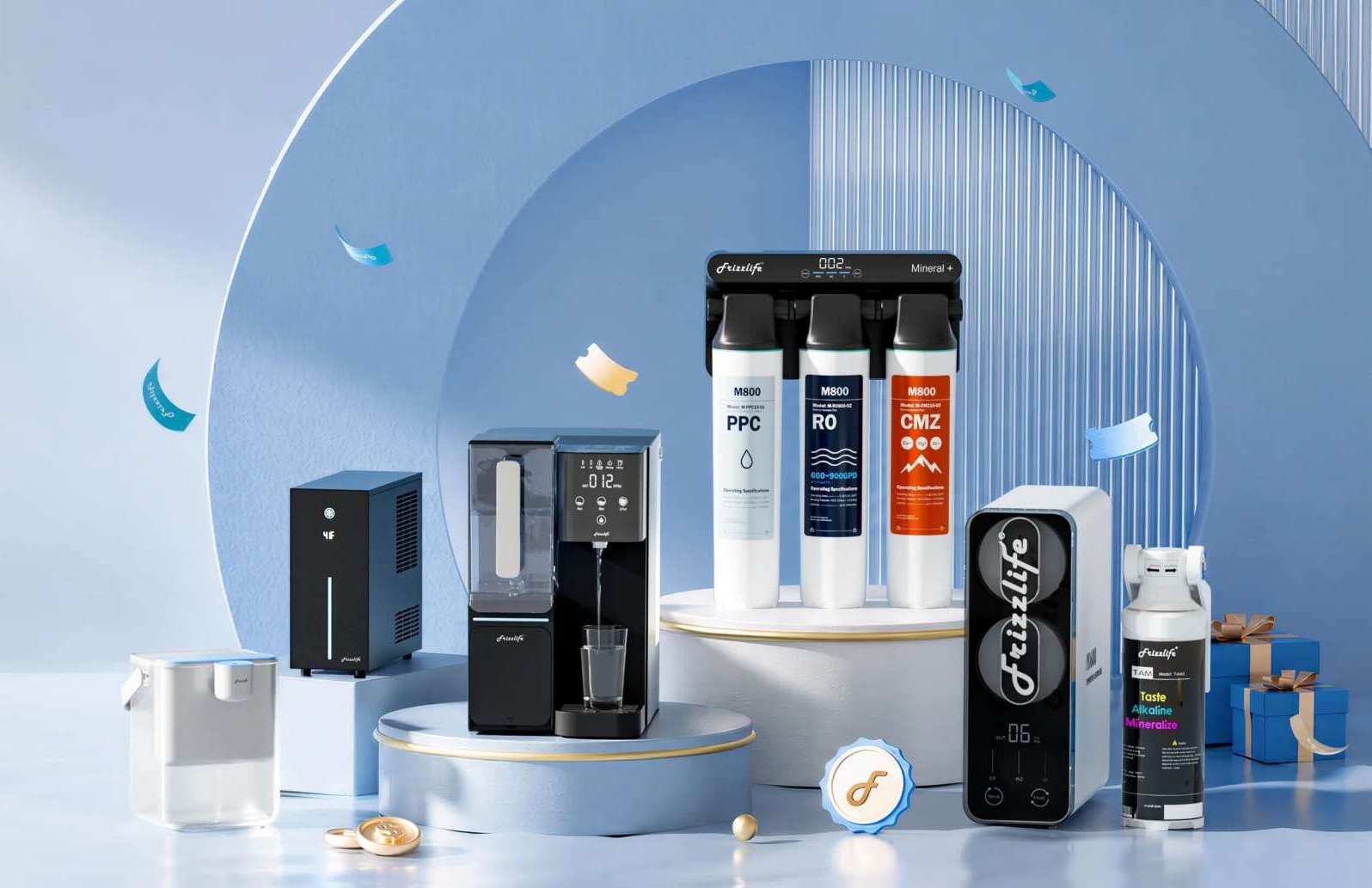
A countertop system uses visible worktop space but can avoid drilling and complicated plumbing. This can be useful where a household moves frequently or wants a system that can be relocated. Under-sink equipment keeps the counter clear, yet it requires sufficient cabinet room and compatible plumbing. The cabinet also needs enough access for filter replacement and leak checks.
The daily filling routine matters as well. Some countertop reverse osmosis systems use a removable reservoir and pitcher, while other formats connect differently. A household that drinks large quantities of filtered water may prefer a system that reduces repeated manual filling. A smaller household may accept that tradeoff in exchange for simpler installation.
Match Filtration Method to the Water Concern
Not every water concern requires reverse osmosis. Carbon-based filtration can address many taste and odor issues, while reverse osmosis is designed for broader dissolved contaminant reduction. Frizzlife sells systems across these categories, including countertop reverse osmosis models with monitoring features and under-sink filtration systems for households that want a more permanent setup.
The household should begin with local water information and a clear reason for filtering. Someone mainly concerned about chlorine taste has a different goal from someone dealing with high total dissolved solids or a specific contaminant identified through testing. Filter claims should be read carefully and matched to independent standards or certifications where available rather than assuming that more stages automatically mean better water for every home.
Water pressure, temperature and source quality can affect performance. Private wells may require testing and treatment decisions beyond a standard drinking-water filter. A filtration product should not be treated as a universal solution for microbiological contamination or a known hazardous water supply unless its documented capabilities specifically address that issue.
Wastewater and efficiency deserve attention when reverse osmosis is being considered. RO systems separate filtered water from a reject stream, and the ratio varies by design and operating conditions. A household should understand where that water goes and whether the expected output matches daily use. Remineralization features can also affect taste after reverse osmosis removes many dissolved minerals. Neither feature should be judged in isolation. The useful comparison is how the entire system performs in the home, including water production speed, storage capacity, noise, cleaning needs and the amount of cabinet or counter space required every day.
Checks Before Choosing a Filtration Setup
- The household should measure counter or cabinet space before selecting a system.
- A Frizzlife filter should be matched to the actual water concern rather than chosen only by the number of filtration stages.
- Replacement filter cost and replacement frequency should be included in the long-term budget.
- Any system connected to plumbing should be checked regularly for secure fittings and signs of leakage.
- Water that may be unsafe for drinking should be professionally tested and treated according to appropriate local guidance.
Plan Maintenance Before Installation
A filter is only useful when the replacement schedule is manageable. Frizzlife offers products with different cartridge arrangements, so a household should identify which components need replacing, how often they are expected to last and whether indicators or monitoring tools are available. Buying a system without understanding maintenance can turn a convenient appliance into a neglected one.
Cleaning routines also differ. Reservoirs and pitchers may need regular washing, while under-sink housings and tubing require periodic inspection. Replacement parts should be stored clean and dry, and packaging should remain available until the household is familiar with the model numbers. A simple note of installation date can prevent guesswork months later.
The right filtration setup balances water goals with everyday convenience. Frizzlife provides both portable and installed formats, but neither is automatically superior. A countertop unit may be ideal for flexibility, while an under-sink system may suit a household that values higher capacity and a clear counter. The better choice is the one that can be installed correctly, maintained consistently and used without disrupting the kitchen routine.
Noise and electricity use can matter in smaller homes as well. Countertop RO systems with pumps may be audible during filtration, while permanently installed systems can operate more quietly in a cabinet. A household that filters water late at night or works beside the kitchen should consider that practical detail. Power use is generally modest, but any powered appliance should have a convenient safe outlet rather than relying on awkward extension cables near water.