Share This Article
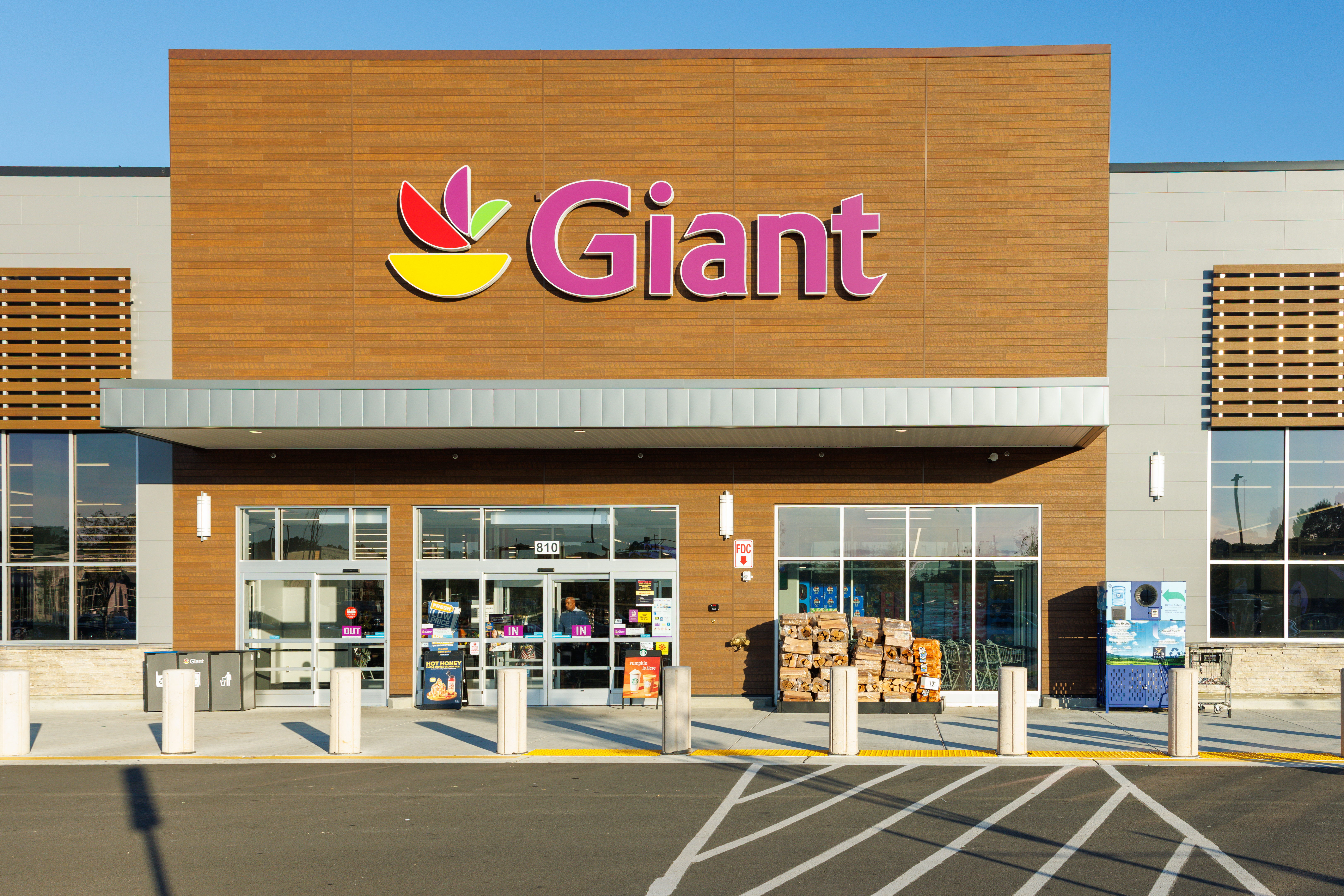
Grocery shopping is a weekly necessity for most households, yet many people approach it haphazardly, often spending more than necessary and purchasing items that don’t reflect their actual needs. The average family spends thousands annually on groceries, making this one of the largest controllable household expenses. Yet strategic shopping can reduce costs significantly while improving food quality and nutritional value. The difference between mindless shopping and intentional purchasing can easily total hundreds of dollars monthly. Giant Food provides a convenient destination where savvy shoppers can execute smart strategies to maximize their grocery budgets.
Planning Before You Shop
Impulse shopping at grocery stores represents money leaving your pocket without conscious decision-making. Conversely, planning transforms grocery shopping from an emotional activity into a strategic exercise. Effective planning starts with assessing what you already have at home, checking your refrigerator and pantry prevents duplicate purchases and waste. Next, plan meals for the week, identifying proteins, vegetables and staples you’ll need. Finally, create a detailed shopping list organized by store layout to minimize browsing time and temptation. This approach sounds simple but dramatically reduces both spending and food waste. Strategic shoppers with organized shopping lists accomplish their purchases efficiently and consistently spend less than those who browse without direction.
Leveraging Sales And Promotions
Grocery stores announce sales and promotions weekly through circulars and digital platforms. Sophisticated shoppers review these promotions before shopping, building meal plans around sale items rather than buying at full price. A protein on sale for half price affects your entire weekly meal plan, allowing you to purchase quantity and prepare multiple meals. Promotional strategies work best when combined with longer-term storage, buying pasta when on sale and storing it makes sense because pasta stores indefinitely. Perishables require different thinking, but planning meals around sale produce ensures you use items before they spoil. Understanding promotion cycles for common items helps you time purchases strategically. Giant Food regularly features competitive pricing on quality items, rewarding shoppers who check promotions.
Choosing Store Brands Over Name Brands
Grocery store private label brands typically cost 20-40% less than equivalent name-brand products while maintaining comparable quality. Major retailers invest in quality control because their reputation depends on it. Generic pasta, canned vegetables and store-brand dairy products are indistinguishable in blind taste tests from premium alternatives costing significantly more. Making the mental shift to trust store brands saves thousands annually without quality sacrifice. Brand loyalty often results from marketing rather than objective quality differences. Testing store brands on non-critical items demonstrates their quality, gradually shifting your purchasing. Families that embrace store brands consistently report substantial savings while maintaining food quality. Quality private labels are available across categories throughout the industry.
Shopping By Unit Price, Not Package Size
A larger package isn’t always cheaper, understanding unit prices reveals the actual best value. Savvy shoppers calculate cost per ounce or per serving rather than comparing package prices. Sometimes smaller sizes cost less per unit, especially during sales. Unit prices appear on store shelf labels, making comparison straightforward. This attention to unit economics prevents you from assuming bulk purchases save money. Bulk buying only makes sense when unit prices are truly lower and you’ll use the quantity before expiration. Over-purchasing just because packaging looks big wastes money. Giant Food clearly displays unit prices, empowering informed purchasing decisions.
Embracing Seasonal Produce
Produce costs vary dramatically by season. Strawberries cost per pound in June but in winter because seasonal produce comes from local farms while off-season produce travels from distant regions, adding transportation costs. Eating seasonally saves money and often provides better flavor and nutrition since produce picked locally at peak ripeness surpasses distant produce picked premature. Building meal plans around seasonal produce becomes natural once you notice price differences. Learning what grows locally in each season helps you anticipate bargains. This seasonal approach also encourages dietary variety, preventing monotonous eating patterns. Stores that prioritize seasonal offerings help customers maximize their grocery budgets.
Reducing Convenience Food Spending
Pre-cut vegetables, rotisserie chickens and prepared meals cost multiples of their raw ingredients. A rotisserie chicken costs but provides less meat than a raw chicken costing you’re paying for convenience rather than food value. Pre-cut vegetables cost triple whole vegetable prices. Prepared meals from the deli represent some of the worst value in grocery stores. Purchasing these convenience items occasionally makes sense for busy weeks, but making them routine wastes substantial money. Learning basic cooking skills and dedicating time to meal preparation captures these savings directly. Even spending thirty minutes on Sunday food prep saves hundreds monthly compared to convenience food reliance. Quality ingredients supporting home cooking at reasonable prices enable this savings strategy.
Building A Strategic Pantry
Maintaining a well-stocked pantry allows you to prepare meals without last-minute shopping trips that often result in expensive impulse purchases. Strategic pantry items include dried pasta, rice, canned beans, broth and spices. Having these fundamentals available means you can cook any number of meals with just fresh proteins and vegetables. Shopping your pantry before buying new items prevents waste and redundancy. Tracking pantry inventory helps you identify what you actually use and what sits unused, informing future purchasing. An organized pantry with clear visibility of contents encourages cooking at home over ordering out. Over time, a thoughtfully stocked pantry becomes a financial asset reducing grocery spending while improving home-cooked meal frequency. Giant Food provides quality staples that form the foundation of a well-stocked pantry.
Mastering Meal Prep And Food Preservation
Smart shopping only saves money if food doesn’t spoil. Purchasing excellent ingredients that go to waste achieves nothing. Meal preparation on days immediately after shopping captures freshness while converting raw ingredients into ready-to-eat components. Freezing portions extends shelf life dramatically, allowing you to purchase strategically and use ingredients across multiple weeks. Understanding food preservation, freezing, canning and proper storage, extends the life of purchases, reducing waste and improving the efficiency of your grocery spending. These skills transform bulk purchases from wasteful to economical. Taking control of your food preservation approach dramatically improves the return on every dollar spent at the grocery store.
Taking Control Of Your Food Budget

Grocery shopping represents one of the few areas where families have direct control over costs. Unlike housing, utilities or transportation, food budgets respond directly to conscious decision-making. Families that implement even a few strategies from this list consistently reduce spending by 20-30% without sacrificing nutrition or variety. The combination of planning, smart shopping and home cooking creates compound savings. Over a year, monthly savings becomes in family budget improvement. These principles apply regardless of whether you shop at premium stores or discount chains. Smart shopping transcends store choice, depending instead on your approach and preparation. Giant Food supports smart shopping by offering quality products at competitive prices and transparent unit pricing, making it a destination where these strategies work effectively.
- Planning meals and creating organized shopping lists prevents impulse purchases and reduces spending significantly.
- Shopping sales and building meal plans around promotions captures substantial savings throughout the year.
- Store brands offer quality comparable to premium brands at substantially lower prices.
- Understanding unit prices rather than package sizes ensures you buy true value, not just bulk.
- Home cooking and meal preparation reduce reliance on convenience foods that cost multiples of their raw ingredients.