
Share This Article
Experienced outdoor users often reach a point where choosing an outer layer becomes less about style and more about function. The debate between shell jackets vs parkas sits at the centre of that decision, especially when activity level and sustained cold both come into play. Didrikson UK organises its range around this exact distinction, offering shell jackets, parkas, and hybrid 3-in-1 designs built for different seasonal demands.
Shell Jackets: Lightweight Outer Protection in the Didrikson UK Range
Shell jackets sit at the lighter end of the warmth classification used across the catalogue. Didrikson UK’s own guide to warmth levels places shell jackets in the category that carries no padding at all, which keeps the garment lighter and lets it pack down smaller while leaving warmth control to whatever gets worn underneath. That absence of built-in insulation is the main technical line separating shell jackets vs parkas throughout the range.
This approach suits anyone who moves often and generates body heat through activity. Because there is no fixed insulation, the wearer can add or remove mid-layers depending on effort and weather. That flexibility is the core argument in any comparison of shell jackets vs parkas aimed at active use rather than static exposure.
3-in-1 Jackets: Hybrid Systems and Detachable Insulation Layers
Didrikson UK also lists hybrid jackets among its winter and outdoor categories, sitting between the shell and parka formats. These combine a weatherproof outer shell with a separate insulating piece that can be worn together or apart. The idea is to let one jacket cover a wider span of conditions without needing two separate garments.
Hybrid construction gives some of the warmth associated with a parka while keeping some of the adaptability of a shell. For someone unsure whether full insulation or simply wind and rain protection is needed, this middle format offers a practical option. It also reduces the need for multiple outer layers across different months of the year.
Parkas: Integrated Warmth for Sustained Cold and Inactivity

At the other end of the spectrum, the parka collection from Didrikson UK is built for sustained cold rather than constant movement. Women’s lines include the Melody Parka Long, the Marget Parka, the Nima Parka, the Tejla Parka, the Erna Parka, and the Stella Parka Long, while the men’s range features the Dexter Parka, the Tempest Parka, the Akilles Parka, and the Hektor Parka. Several of these are listed as waterproof, pairing weather resistance with built-in insulation.
Parkas sit within the higher insulation categories of the warmth guide, with padding described at 100-140 g/m² for one level and 160-250 g/m² for the warmest level. These garments are designed less for brisk activity and more for urban environments or standing outdoors where body heat alone will not keep someone warm. That is the practical heart of the shell jackets vs parkas question, since one format stays flexible for layering and the other arrives already built for static, cold conditions.
Windproof and Water-Repellency Technology Across the Range
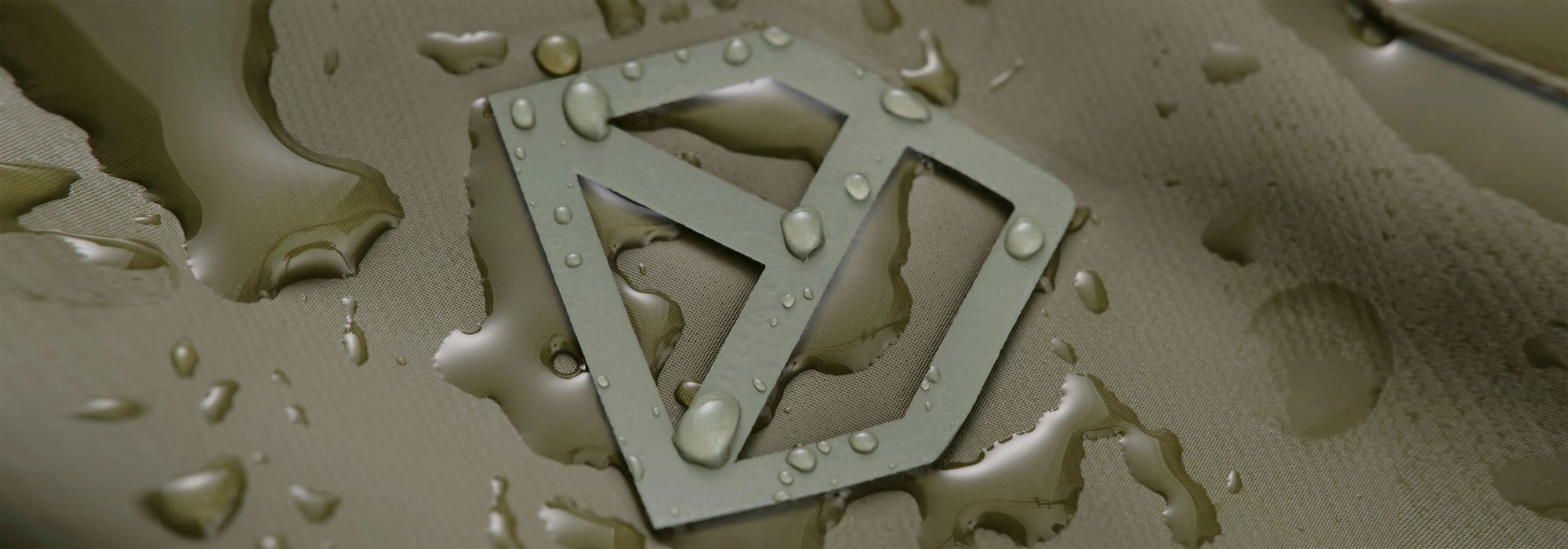
Across both shell jackets and parkas, windproof and waterproof treatments appear as standard features rather than optional upgrades. Didrikson UK describes its insulated jackets at the warmer end of the range as completely windproof and waterproof, with design details aimed specifically at heat retention. Several parka lines, including the Erna Parka and the Hektor Parka, are explicitly marketed as waterproof rather than simply water-resistant.
Product information pages note that water repellency treatments get applied during manufacturing and that production follows restricted chemical lists based on EU REACH legislation. This is a point about manufacturing standards rather than a performance claim, but it shows that weatherproofing runs consistently through the catalogue rather than sitting in a single line.
Material Construction and Sealing: Two-Way Zips and Fabric Integrity
Beyond fabric treatment, construction details matter for how well a jacket holds up to repeated use. Many jackets use two-way zips, and the product support page from Didrikson UK explains the correct method for opening and closing them to avoid damaging the slider mechanism. It also advises closing zips fully before washing, since an open zip left during a wash cycle can damage fabric or shrink the zip tape.
These are small details, but they point toward a brand that documents care instructions rather than leaving fit and function to guesswork. For shell jackets in particular, where there is no insulation to compensate for a compromised seal, zip and seam integrity has a direct bearing on how well wind and rain stay out.
Layering Strategy: When to Combine Base Layers with Didrikson UK’s Outer Shells
Shell jackets carry no padding, so they rely on separate mid-layers to add warmth. Didrikson UK‘s catalogue includes fleece and mid-layer pieces such as full-zip and half-zip tops that fit underneath without adding bulk. This layering approach lets a single outer shell cover a wider temperature range than a fixed-insulation jacket could manage alone.
Parkas, by contrast, are generally not built around this kind of layering strategy since their insulation sits integrated into the garment already. Choosing between the two formats often comes down to whether extra warmth needs to stay adjustable through the day or whether it should simply be built in from the start.
- The Erna Parka and Melody Parka Long represent waterproof, heavily insulated parka options aimed at sustained cold exposure.
- Shell jackets, as classified in the warmth guide, carry no padding and are designed to be worn with adjustable mid-layers.
- Hybrid jacket listings in the women’s and men’s winter categories combine a shell with a detachable insulated piece for changing conditions.
- Fleece and mid-layer tops, including full-zip and half-zip styles, are positioned as companions to shell jackets rather than standalone outerwear.
- Men’s parka lines such as the Tempest Parka and Akilles Parka extend the waterproof, insulated format across different size ranges.
Working through the shell jackets vs parkas decision ultimately comes down to matching the garment to how much movement, and how much cold, a given day actually involves.
