
Share This Article
Whether you’re an athlete, fitness enthusiast, or anyone managing physical strain, recovery is just as important as the activity itself. The human body requires strategic rest and targeted support to repair muscle tissue, restore energy, and prevent injury. Modern recovery devices have transformed how people bounce back from intense training, injury, or daily wear on the body. Rather than relying solely on time and rest, active individuals now use sophisticated equipment to accelerate healing and enhance performance. Among the leading solutions available today, FlexBeam from Recharge Health stands out as a comprehensive system designed for serious recovery outcomes.
Why Professional Recovery Devices Matter
Professional-grade recovery equipment addresses the gap between casual stretching and clinical-level care. These devices use proven technologies to reduce muscle tension, improve circulation, and accelerate healing. Rather than waiting passively for soreness to fade, active users invest in equipment that actively supports their body’s natural recovery processes. This approach has become standard among competitive athletes, physical therapists, and rehabilitation professionals worldwide.
The science behind recovery technology is straightforward: targeted pressure and movement stimulate blood flow to affected areas, reduce inflammation, and promote faster tissue repair. Unlike passive rest, which can take days or weeks to resolve post-activity soreness, active recovery tools compress this timeline significantly. Research from sports medicine professionals consistently shows that individuals using recovery devices return to training faster, experience less pain, and maintain better overall mobility than those relying on rest alone.
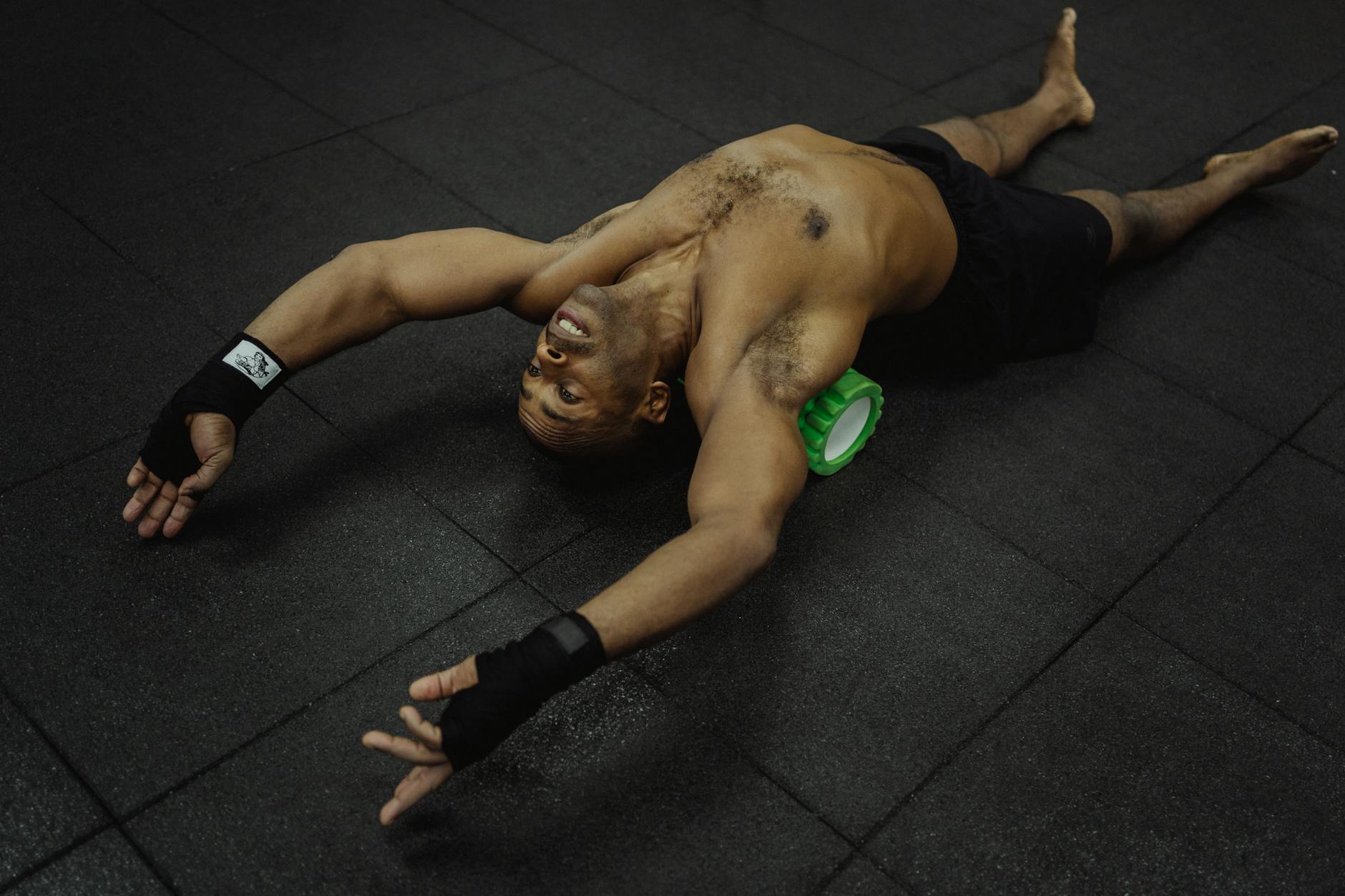
FlexBeam Technology Explained
FlexBeam represents a focused approach to recovery, combining portability with effectiveness. The system targets deep muscle tissue using advanced mechanics that mimic professional therapeutic techniques. Rather than simple vibration or foam rolling, FlexBeam’s design allows precise control over pressure intensity and application area. Users report reduced soreness within days of regular use, particularly when applied consistently to high-demand muscle groups like the calves, quads, hamstrings, and lower back.
What sets FlexBeam from Recharge Health apart is its adaptability to different body types and recovery needs. The ergonomic design fits comfortably in hand, allowing users to apply consistent pressure across large muscle groups or focus on smaller problem areas. The construction uses durable materials that withstand daily use for years, making it a genuine long-term investment rather than a disposable gadget. Built-in features guide users toward proper application technique, eliminating guesswork and ensuring therapeutic benefit from the first session.
Key Benefits for Different Activity Levels
Recovery needs vary widely depending on your activity level. Weekend warriors benefit from reduced post-activity soreness and faster return to their regular training schedule. Competitive athletes appreciate measurably faster recovery-to-training timelines, meaning more consistent preparation and better competition readiness. Office workers struggling with chronic tension from desk work also find relief through consistent use, often noticing improved posture and reduced neck strain within two weeks.
Runners and cyclists report particular benefits, as these activities create predictable wear patterns in specific muscle groups. Rather than accepting persistent calf soreness or IT band tension as normal, users apply targeted recovery work and see these chronic issues resolve within weeks. Recharge Health’s FlexBeam is designed to serve all these populations, scaling from light maintenance sessions to intensive therapy work. Someone training five days per week can use it differently than someone recovering from occasional activity, and both get meaningful results.

Comparing Recovery Approaches
The market offers several recovery modalities: foam rolling, massage guns, compression therapy, percussion devices, and device-based systems. Each has merits, but they work in different ways. Foam rolling requires significant pressure and body position adjustment, making it impractical for some users. Massage guns deliver rapid vibrations but lack the sustained compression that many muscle issues require. Compression therapy devices work well but are expensive and sometimes difficult to position correctly on your own.
Device-driven approaches like FlexBeam deliver consistent, controlled pressure that adapts to your body without requiring extreme fitness or flexibility. Unlike passive methods, this technology actively engages muscle fibers, producing measurable improvements in flexibility and pain reduction. Many users find that combining FlexBeam with light stretching creates a complete recovery protocol—spending 10 minutes with FlexBeam and 5 minutes stretching covers the core recovery needs most people have.
Integration Into Your Routine
The practicality of recovery equipment determines long-term use. Many devices end up in closets because they’re awkward, time-consuming, or require special setup. FlexBeam’s compact design allows placement in bedrooms, gyms, or offices without taking up significant space. Daily sessions of 10–15 minutes on targeted areas show noticeable results within two weeks, with continued improvements over months. The device requires no electricity, no app connectivity, and no maintenance—it’s genuinely ready to use anytime your body needs recovery work.
Recharge Health supports beginners with clear guidance on application areas and session duration, removing the guesswork from equipment use. Most users achieve proper technique within the first few sessions, after which the routine becomes automatic. Many integrate it into their evening wind-down, using it while watching television or reading, making recovery feel effortless rather than another task to complete.
What Users Report
Across fitness communities and recovery forums, consistent themes emerge about device-based recovery systems like FlexBeam:
- Faster return to training after intense sessions—often just 24–48 hours compared to 3–5 days without recovery work
- Reduced chronic tension in high-use muscle groups, with lasting improvements over weeks
- Improved sleep quality due to lower muscle discomfort and tension release
- Increased flexibility and range of motion within weeks of regular use
- Cost-effective compared to ongoing professional massage or physical therapy appointments
Many users note that the learning curve is minimal—most achieve proper technique within the first few sessions, after which the routine becomes automatic. Athletic trainers and physical therapists also report using FlexBeam in professional settings, appreciating its portability and effectiveness between client appointments.
Final Thoughts on Recovery Investment
Professional recovery no longer requires expensive ongoing sessions or lengthy wait times for appointments. When you invest in home equipment, you gain on-demand access to therapeutic benefits whenever your body needs them. FlexBeam by Recharge Health represents a proven choice for anyone serious about staying active and recovering effectively. Whether you’re training for a goal or simply maintaining daily wellness, this system delivers measurable results that justify the investment. The combination of effectiveness, affordability, and convenience makes FlexBeam worth considering for any active person serious about recovery.