
Share This Article
Wet washing hanging over radiators or spinning in a tumble dryer is a familiar sight in many homes during colder months. Dehumidifier laundry drying offers a different route, pulling moisture straight from the air around damp clothes rather than blasting them with heat. The method sits between a washing machine and an outdoor line, and it is worth understanding how it actually works before weighing it against more traditional options.
Why Machine Drying Damages Fabrics and Costs More
Tumble dryers rely on sustained heat and tumbling action to force moisture out of fabric fibres. Over time, that heat and friction can wear down elastic, fade colours, and shrink certain materials. Repeated cycles also add up in terms of electricity drawn by a high-powered heating element running for an extended period.
Outdoor line drying avoids the mechanical wear but introduces its own frustrations. Weather is unpredictable, drying can take a full day or longer, and damp British air often leaves clothes smelling musty rather than fresh. Indoor drying on a rack, meanwhile, raises the humidity of a room and can encourage condensation on windows and walls.
How Dehumidifiers Extract Moisture for Faster Laundry Drying
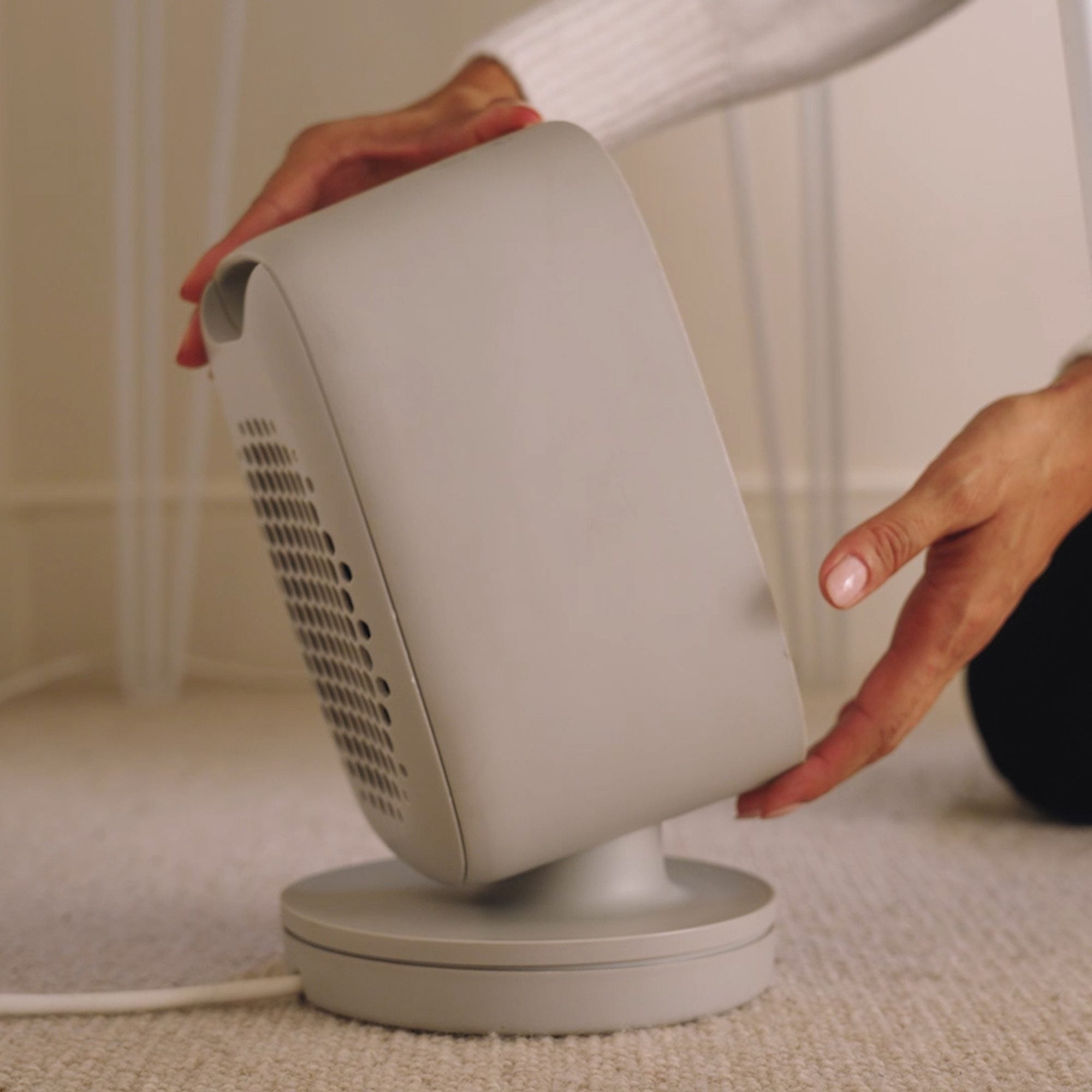
A dehumidifier works by drawing in room air, extracting its moisture content, and releasing drier air back into the space. When laundry hangs nearby, this steady cycle gradually reduces the dampness trapped in the fabric. Meaco UK positions its Arete range specifically around this use case, describing it as a cheaper and gentler way to dry laundry.
According to the brand, the MeacoDry Arete One 20L model dried thirteen T-shirts in roughly six hours, in a 22.6°C room at 52% relative humidity. That figure reflects a specific test setup, but it illustrates how a dehumidifier can manage a typical laundry load within a single afternoon. Because there is no direct heat applied to the clothing itself, the drying tends to be gentler on fibres than a tumble dryer cycle.
The Meaco Arete One Range: Compact Models for Smaller Spaces

The Arete One line includes several tank sizes designed for different room types. The 6L model is built for student rooms, shared houses, and single-room living, with a noise level starting from 32 dB. Larger 10L, 20L, and 25L versions extend the same approach to bigger households, having already picked up a Which? Best Buy award and a Quiet Mark award.
Meaco UK states that the Arete One range followed five years of development, shaped by feedback from more than 2,000 customers. That collaborative design process fed into the full line, from the compact 6L unit through to the 25L model intended for larger homes. Each size targets a different room footprint, from a single bedroom up to multi-bedroom properties.
The Meaco Arete Two Range: Advanced Features and Enhanced Control
Arete Two was introduced after the success of the original Arete One range, carrying over its award-winning features while adding new functions. The Arete Two 10L model is described as dehumidifier excellence for smaller spaces, following the same compact approach as its One-range equivalent. Meaco UK describes the Two range overall as giving more control compared with its predecessor.
The Arete Two collection has also been named Dehumidifier of the Year for the coming year by Meaco UK‘s own site messaging, reflecting continued investment in the range. Both the One and Two lines sit under Meaco UK’s wider dehumidifier collection, which spans fifteen products in total. That breadth means households can match a unit’s size and features to their own room dimensions rather than picking a single generic model.
Setting Up a Dehumidifier Drying System at Home
Getting a reasonable drying result with a dehumidifier generally means closing doors and windows so the unit is not fighting outside air. A clothes airer placed close to the machine, in a smaller enclosed room, tends to work better than an open-plan space. Positioning the unit so air can circulate freely around the laundry, rather than being blocked by furniture, also supports the process.
Emptying the water tank regularly keeps the unit running without interruption during a drying cycle. Meaco UK sells a replacement water tank for its 18L, 20L, and 25L Arete models, designed with grips on either side to simplify emptying. Running the unit in a smaller room rather than an entire house is generally a more efficient way to manage a laundry-focused drying session.
- Dehumidifier laundry drying avoids the direct heat exposure that can wear down elastic and fade fabric colours in a tumble dryer.
- It does not depend on weather conditions, unlike outdoor line drying, which can stall for a full day or more in damp climates.
- Running a dehumidifier in a closed room tends to work faster than leaving laundry to air dry openly indoors.
- Units such as the Arete range come in multiple tank sizes, allowing the drying setup to match the size of a room rather than a whole house.
- Because moisture is extracted from the air rather than blown directly onto clothing, the method is generally described by Meaco UK as a gentler alternative to machine drying.
Air Quality Benefits Beyond Laundry Drying
Dehumidifiers are not a single-purpose appliance built only for laundry. Meaco UK markets its range as a way to manage condensation, damp, and mould across living rooms, garages, and conservatories. High relative humidity in a home can lead to these issues regardless of whether laundry is drying nearby.
By keeping indoor humidity in a more moderate range, a dehumidifier can make a room feel more comfortable throughout the year, not just on laundry days. Several Arete models double as air purifiers, combining moisture control with air filtration in one unit. This dual function means a dehumidifier purchased for drying laundry continues to serve a purpose once the washing is already dry.
Dehumidifier laundry drying, then, is best understood as one use among several for an appliance built around humidity control. Anyone comparing it with a tumble dryer or an outdoor line is really weighing a broader shift in how moisture gets managed indoors, season after season.
