
Share This Article
Plenty of shoppers assume that comfortable designer shoes are a contradiction in terms, as if comfort and craftsmanship live on opposite ends of a shelf. That assumption shapes a lot of buying decisions, often steering people toward either stiff statement pieces or soft, forgettable basics. Bared Footwear‘s range of women’s and men’s styles pushes back on that split, and the misconceptions around it are worth untangling one by one.
The Myth That Style and Comfort Cannot Coexist in Designer Footwear
The idea that a well-made shoe has to hurt before it looks good is one of the oldest stories in footwear retail. It persists partly because so many fashion-forward shoes really are built around appearance first. Bared Footwear positions its collections differently, describing its pairs as mindfully crafted and ethically sourced rather than simply styled. The brand’s own language frames comfort as a built-in feature, not an afterthought bolted on after the design is finished.
Shoppers searching for comfortable designer shoes often expect to compromise on silhouette, colour or heel height to get relief for their feet. That trade-off is the exact myth the category keeps reinforcing. A shoe range that offers chunky sandals, strappy designs, slingbacks, loafers and boots within a single collection suggests the opposite is possible.
How Bared’s Biomechanical Footbed Works Beneath the Surface
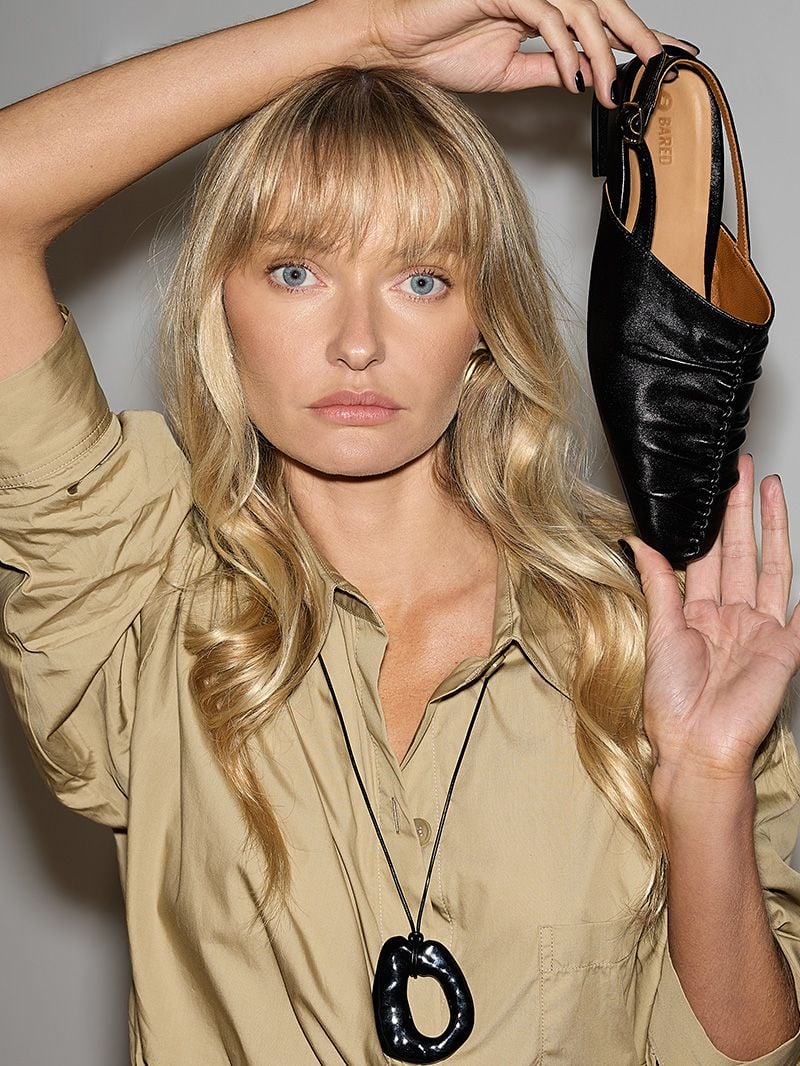
Bared Footwear builds what it calls a biomechanical footbed into its pairs, describing it as podiatrist-designed and hidden beneath the upper. According to the brand, this footbed is fitted in every pair and supports the arch, heel and forefoot at once. That detail matters because it reframes comfort as structural rather than cosmetic, sitting under the leather rather than padded loosely on top.
On the men’s side, styles such as the Californium Sand Suede Casual Shoes and the Ruthenium Sand Nubuck Casual Shoes carry the same footbed technology described on their product pages. Both are presented as offering support and stability alongside a relaxed, everyday silhouette. That consistency across men’s and women’s lines suggests the footbed is treated as a baseline feature rather than a selling point reserved for one category.
Premium Leather and Ethical Sourcing Do Not Compromise on Wearability
Another common misconception is that ethically sourced materials sacrifice durability or feel for the sake of a cleaner supply chain. Bared Footwear references Leather Working Group certified leather uppers and lining on some of its men’s styles, tying sourcing standards directly to the materials used. The brand also describes itself as working toward reshaping the footwear industry through material innovation and recycling programs for shoes that are not already made from nature-based inputs.
The Californium style also lists a B.Plantfoam footbed made from 72% plant-based materials that are USDA-certified biobased. The brand states this version helps reduce CO₂ emissions by 70% when compared with traditional petroleum-based footbeds. Figures like these are specific to that construction and are not presented as applying across every pair in the range.
Why Hidden Support Features Matter More Than Visible Cushioning

Visible cushioning, like a thick foam sole, is often what shoppers look for when judging comfort at a glance. Bared Footwear’s marketing leans instead on what it calls secret support, a term used across its website to describe features built into the construction rather than displayed on the outside. That framing suggests comfort is engineered into the shoe’s structure, not just added as a surface layer.
Some styles go further with customisation options. The Californium Sand Suede Casual Shoes include a customisable Fit Kit, described as a way to tailor fit to the individual foot. The brand also offers magic gel spots and inserts as part of its fit tools, alongside a Fit Kit shoppers can use to adjust feel after purchase. That combination of hidden structural support and adjustable add-ons is a different approach from relying on one thick cushioned layer alone.
Bared’s Women’s and Men’s Collections Challenge Fast-Fashion Comfort Standards
Fast-fashion footwear tends to prioritise quick turnover and low cost over long-term wearability, which feeds the belief that stylish shoes are inherently short-lived. Bared Footwear‘s women’s collection spans flats, loafers, boots, heels, sneakers, sandals and bridal styles, with bestseller and new arrival groupings refreshed regularly. The men’s range is built around a comparable mix of casual and considered silhouettes, including suede and leather options across boat shoes and lace-ups.
Common gaps between what shoppers expect and what the category typically delivers include the following points.
- Many assume stylish shoes cannot include arch support, yet the women’s sandals collection lists a contoured footbed fitted in every pair.
- Some believe handcrafted shoes are automatically harder to break in, though the brand describes its construction as mindfully built by experienced shoe makers.
- Shoppers often think ethical sourcing adds bulk or stiffness, despite certified leather uppers appearing on styles marketed for all-day wear.
- A frequent assumption is that returns are restrictive on designer footwear, while Bared Footwear offers 60-day free returns along with free exchanges for a different size or style.
- Many expect support features to be visible, whereas the brand’s hidden footbed and gel insert options sit beneath the surface entirely.
The Reality of Long-Term Comfort in Handcrafted Shoes
Long-term comfort is harder to market than first impressions, which is why return policies and customer service often reveal more than a product photo. Bared Footwear‘s returns page describes multiple options beyond a simple refund, including trying another size or style for free, returning for store credit, or exchanging in-store with staff assistance. Fitting experts are also available through live chat or a virtual fitting appointment, which points to an ongoing support structure rather than a one-time transaction.
That kind of structure matters for anyone weighing whether comfortable designer shoes can actually hold up across repeated wear. A policy built around free exchanges and fit consultations suggests the brand expects some shoppers to need adjustment, rather than assuming a perfect fit on the first attempt. Combined with the hidden footbed technology described across both the women’s and men’s ranges, it paints long-term comfort as something actively supported after purchase, not left to chance.
Looking Past the Comfort Myth
The idea that designer shoes must trade comfort for style holds less weight once construction details and return policies are actually examined. What remains is a simpler question: whether a given pair fits well, supports the foot properly and lasts beyond the first season.
