
Share This Article
Artificial intelligence has transformed from theory to practical reality in how we interact with technology. iFLYTEK stands at the forefront of this transformation, delivering intelligent systems powered by advanced speech recognition and voice interaction capabilities. Whether you’re looking to enhance your devices with smarter voice controls or integrate sophisticated AI capabilities into your systems, iFLYTEK’s technology suite opens new possibilities. The company has built its reputation on making complex AI technology accessible and practical for real-world applications.
Advanced Speech Recognition and Understanding
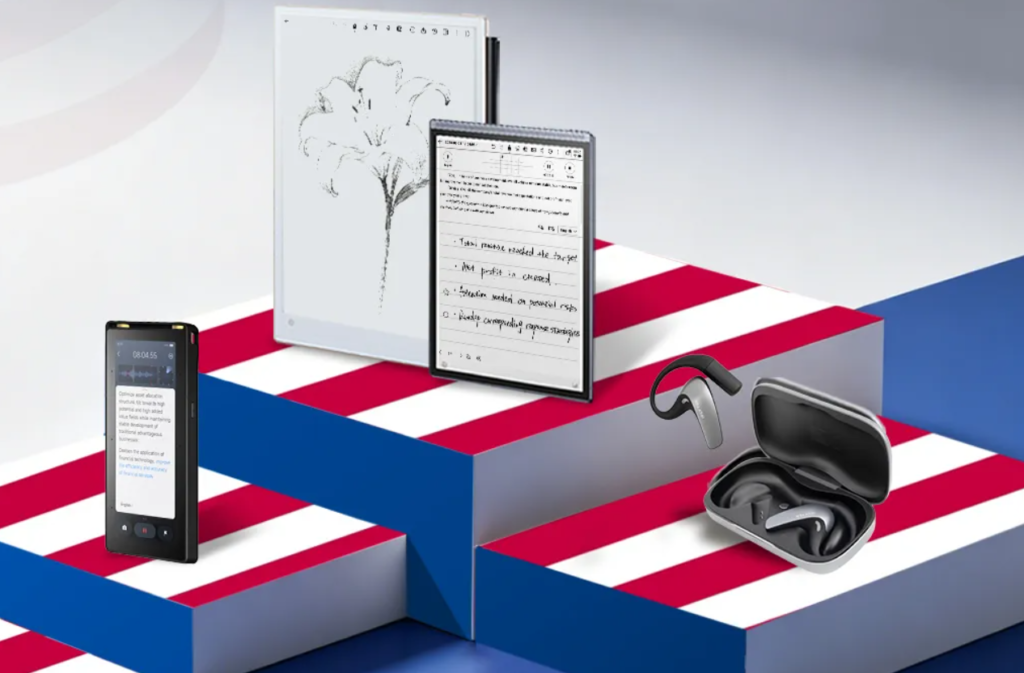
At the heart of iFLYTEK’s technology is sophisticated speech recognition that understands not just words, but intent and context. Unlike simple voice command systems that recognize only specific phrases, iFLYTEK’s systems comprehend natural language and adapt to different speakers, accents, and speaking styles. This level of understanding means interactions feel natural rather than restrictive, creating experiences that actually work the way users expect.
The technology powers everything from smart home devices to customer service applications. Natural conversation becomes possible rather than requiring users to remember specific command syntax. iFLYTEK’s approach to speech recognition has set industry standards for accuracy and responsiveness. The underlying AI models continuously learn and improve, which means the technology gets better over time rather than remaining static.
Voice-Enabled Intelligence Across Applications

Modern applications increasingly benefit from voice interaction capabilities. iFLYTEK enables developers to integrate powerful voice features without needing to build the underlying AI systems themselves. This democratization of voice technology means even small teams can create sophisticated voice-enabled experiences. The integration process is streamlined and well-documented, making it accessible to organizations of all sizes.
From mobile applications to embedded systems, iFLYTEK technology adapts to different platforms and use cases. The same core capability that powers smart speakers can enhance transcription services, customer interfaces, or accessibility features. This versatility comes from careful design that separates the core AI capability from the specific application context.
Multilingual and Cross-Cultural Understanding
Global applications demand support for multiple languages and cultural contexts. iFLYTEK has invested heavily in multilingual capabilities, with support for dozens of languages and regional variations. The technology understands not just different languages but different ways of speaking within those languages. This attention to linguistic nuance makes iFLYTEK particularly valuable for organizations serving diverse global markets.
The platform handles code-switching, accented speech, and casual language naturally. Technical accuracy matters, but so does making users feel understood. iFLYTEK’s approach respects the diversity of how humans actually speak. Organizations expanding into new markets find that the underlying technology already supports their growth without requiring massive customization.
Real-World Deployment and Reliability
Enterprise applications demand reliability and consistent performance. iFLYTEK technology is deployed across millions of devices and handles billions of interactions annually. This scale has driven continuous improvement in robustness and performance. The systems operate reliably in noisy environments, during peak demand periods, and across varying network conditions. This real-world battle-hardening builds confidence for mission-critical applications.
Integration with existing systems is straightforward. iFLYTEK provides APIs and SDKs that work with standard development practices and tooling. Organizations can add voice capabilities to existing applications without complete architectural redesign. The focus on practical integration means projects move faster and costs remain reasonable. Explore how iFLYTEK technology could enhance your applications and see what becomes possible with advanced voice capabilities.
Continuous Learning and Improvement
Artificial intelligence technology only improves through continuous learning from real-world usage. iFLYTEK’s systems benefit from this feedback loop, constantly refining their understanding and capabilities. Privacy is maintained while the underlying models improve. Users interact with technology that gets better at understanding them over time, creating progressively better experiences.
The research and development behind iFLYTEK technology continues advancing the state of the art. The company invests in fundamental AI research while also focusing on practical applications that deliver value today. This balance between innovation and pragmatism means customers get access to cutting-edge capabilities implemented in stable, deployable systems.
Accessibility and Inclusive Design
Voice technology has tremendous potential for accessibility. iFLYTEK’s technology enables people with disabilities to interact with systems more naturally and effectively. The platform supports various accessibility use cases, from helping visually impaired users to assisting those with motor disabilities. Inclusive design isn’t an afterthought but central to how the technology is developed.
Organizations committed to accessibility find that iFLYTEK technology aligns with their values and requirements. The capability to serve diverse users with different needs has become a competitive advantage rather than just a compliance requirement. Voice interfaces work particularly well for accessibility scenarios where traditional interfaces create friction.
The Future of Human-Machine Interaction
Voice and natural language represent how humans prefer to communicate. As technology becomes more capable of understanding human language, the gap between how we naturally express ourselves and how we interact with systems closes. iFLYTEK technoloy sits at this intersection, making human-machine interaction more intuitive and natural. Whether for consumer devices, enterprise applications, or accessibility purposes, the impact of natural voice interaction continues expanding. Organizations that adopt voice technology today position themselves well for the future of interaction design, where voice and conversation become primary rather than secondary interfaces.