

Share This Article
Men’s luxury jewellery has grown into a category with distinct design languages, and bracelets show this especially well. Stattics brings together designer bracelet collections from three names that rarely overlap in approach: Le Gramme, Tom Wood, and Hatton Labs. Each house interprets the bracelet differently, moving from industrial weight systems to Scandinavian restraint to London-forged chain work, and comparing them side by side reveals how much variation exists within a single accessory category.
Le Gramme Bracelets: Machine Precision and Minimalist Stacking
Le Gramme builds its identity around precision engineering rather than decorative flourish. The 7g Brushed Sterling Silver Cable Bracelet, available through Stattics, exemplifies this with clean lines and subtle detailing that read as understated rather than showy. The 7g Brushed Sterling Silver Nato Cable Bracelet carries the same industrial flair, fusing refined aesthetics with a distinct structural rhythm along the band.
What separates Le Gramme from other designers is its naming convention, which is tied directly to the weight of each piece in grams. This gives every bracelet a defined identity rather than a vague size label. The approach suits stacking multiple pieces together, since weights can be layered deliberately rather than guessed at.
Tom Wood Bracelets: Scandinavian Simplicity and Wearable Elegance

Tom Wood approaches the bracelet with a quieter hand. The ID Bracelet, crafted from premium sterling silver, pairs a polished curb chain with a smooth closure for a refined but recognisable staple. The Rue Bracelet pushes this further by combining two classical chain styles in one piece, with a Cable design on one half and a Curb chain on the other, made from recycled sterling silver.
That combination adds texture without abandoning the brand’s restraint. The 18K Jude Bracelet, part of the Tom Wood range at Stattics, shows the designer extending its material palette beyond sterling silver. Across the lineup, Tom Wood favours wearability over spectacle, which keeps each piece easy to combine with other accessories within these designer bracelet collections.
Hatton Labs Bracelets: Contemporary Craftsmanship from London’s Jewellery District
Hatton Labs was founded by Jack Cannon and Joe Gelb, drawing its name and inspiration from London’s Hatton Garden, a long-established hub for jewellery craftsmanship. The brand blends traditional techniques with modern aesthetics, and its bracelets reflect that mix directly. The Diamond Cut Belcher Bracelet features a classic belcher chain design finished with diamond cutting that catches light along the links.
The 18K Gold Diamond Cut Belcher Bracelet builds on that same chain structure with an 18K gold-plated finish over solid 925 sterling silver, complete with an anti-tarnish coating and a secure fastening, and the brand also produces the plain sterling silver Diamond Cut Belcher Bracelet alongside it so the identical chain appears in two finishes, each stamped with a Hatton Labs tag. Stattics stocks several variations of this belcher style, giving the London aesthetic a visible presence within the wider designer bracelet collections on offer.

Cable, Ribbon, and Cord Designs: Understanding Le Gramme’s Weight Categories
Le Gramme organises its bracelets by both design style and gram weight, which creates a structured way to compare pieces. The Cable design appears in the 7g Brushed Sterling Silver Cable Bracelet, built with a distinctive cable-link construction. The Ribbon design, seen in the 21g Brushed Black Sterling Silver Ribbon Bracelet and the 15g Brushed Black Sterling Silver Ribbon Bracelet, uses a flatter, slender silhouette described as sleek and modern.
Cord designs offer a different texture entirely. The 1g Polished Sterling Silver Entrelacs Cord Bracelet uses an interlacing construction, giving it a delicate character suited to everyday wear. Together, these three construction types, cable, ribbon, and cord, show how Le Gramme treats weight and shape as linked design variables rather than separate decisions.
Metal Finishes and Materials Across the Three Designers
Material choice is where the three houses diverge most clearly. Le Gramme works almost entirely in sterling silver, offering both brushed and polished finishes, along with a brushed black sterling silver option for a darker tone. Tom Wood extends into recycled sterling silver for pieces like the Rue Bracelet and moves into 18K gold for select items such as the Jude Bracelet.
Hatton Labs grounds both of its belcher finishes in solid 925 sterling silver, which gives its designer bracelet collections a warmer gold-plated option alongside a cooler silver one, set against the brushed surfaces favoured by Le Gramme. Stattics presents all three material approaches within one storefront, making the contrast between brushed silver, recycled silver, and gold plating easy to see.
Building a Signature Look: Styling Bracelets from Multiple Collections
Combining pieces from different designers is one way the bracelet category gets used in practice. A Le Gramme Cable Bracelet brings a defined, structured line, while a Tom Wood ID Bracelet adds a softer curb chain alongside it. A Hatton Labs Belcher Bracelet, finished with its secure fastening and branded tag, rounds out the stack with a London-forged detail the other two houses do not share.
- Le Gramme centres its bracelets on gram-weight naming and industrial precision, while Tom Wood favours understated Scandinavian silhouettes and Hatton Labs leans into bold, diamond-cut chain work.
- Le Gramme works primarily in brushed and polished sterling silver, Tom Wood introduces recycled silver and 18K gold pieces, and Hatton Labs applies gold plating with anti-tarnish coating over sterling silver.
- Le Gramme’s cable, ribbon, and cord constructions create distinct silhouettes, whereas Tom Wood’s curb and cable combinations, as seen in the Rue Bracelet, merge two styles into one piece.
- Hatton Labs ties its design identity to London’s Hatton Garden heritage, a detail that sets it apart from the Nordic and industrial references of the other two designers.
Because each designer treats construction and finish differently, mixing them creates a layered effect rather than a uniform one. Stattics groups these pieces by category, including cuff and cord bracelet filters, which makes it simpler to identify complementary shapes across designer bracelet collections. This structure also means a single wrist stack can include three distinct design philosophies without clashing, since restraint or boldness comes through material rather than excess ornamentation.
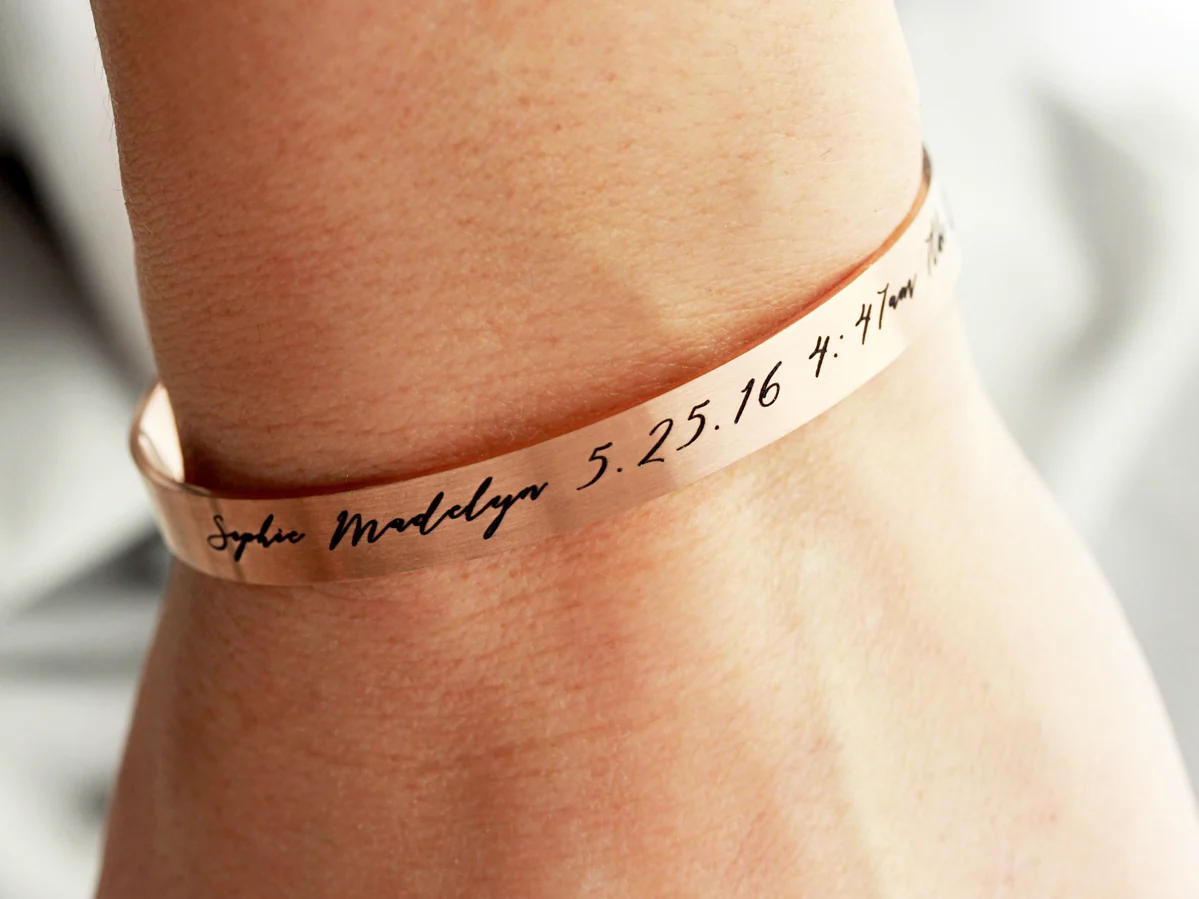
Three very different design philosophies, one flexible accessory format, and a wrist stack that reads differently depending on which houses share it.
