
Share This Article
3D printing technology has evolved from an industrial novelty into an accessible tool for creators, makers and innovators of all skill levels and backgrounds. Desktop 3D printers democratize digital fabrication, enabling anyone with a computer to transform digital designs into physical objects. From prototyping product concepts to creating custom replacement parts, 3D printing opens possibilities previously limited to specialized manufacturers with expensive equipment. Modern 3D printers have become more reliable, faster and significantly more affordable than earlier generations. Understanding how 3D printing works and what you can create with these machines helps you explore this transformative technology. Bambu Lab Advanced 3D printing solutions make professional-quality fabrication accessible to makers and small businesses worldwide.
Understanding 3D Printing Fundamentals
3D printing, also called additive manufacturing, builds objects layer by layer from digital designs with precision and accuracy. Unlike subtractive manufacturing that removes material, 3D printing adds material precisely where needed, minimizing waste significantly. The most common desktop technology, FDM (Fused Deposition Modeling), melts plastic filament and deposits it through a heated nozzle. Resin printing uses UV light to cure liquid resin into solid objects with exceptional detail and clarity. SLS printing uses lasers to fuse powder particles into complex forms without support structures. Each technology offers different advantages in speed, precision, material options and cost structures. Understanding these differences helps you choose the right technology for your specific projects. Bambu Lab 3D printing technology continues evolving with faster print speeds and expanded material options available.
Applications Beyond Imagination
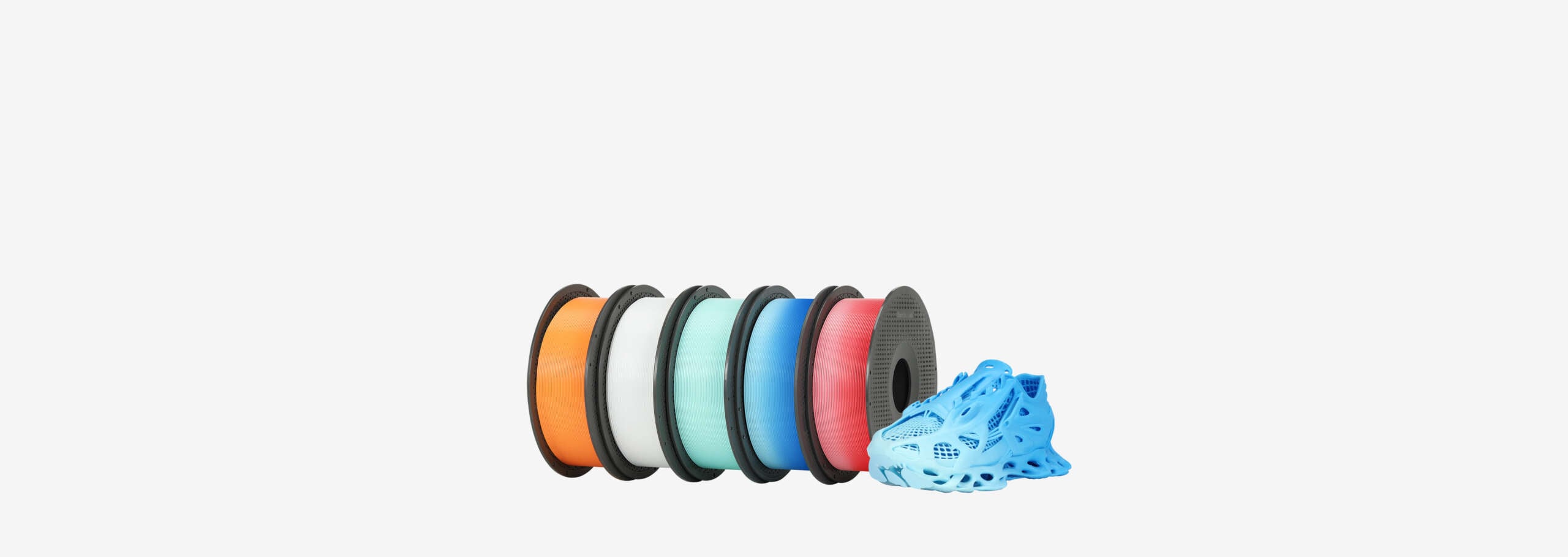
The applications for 3D printing extend far beyond hobbyist projects and creative endeavors. Engineers prototype product designs before expensive tooling investment and manufacturing commitments. Medical professionals create custom surgical guides and patient-specific implants for complex procedures. Jewelry designers craft intricate pieces with precision impossible through traditional methods. Replacement parts manufacturing allows people to repair items instead of discarding them entirely. Educational institutions use 3D printing to bring abstract concepts to life for students visually. Small businesses create custom products and niche items without requiring large manufacturing facilities or staff. Architectural firms produce detailed models for client presentations and visualization.
Accessibility and Ease of Use
Modern 3D printers have become increasingly user-friendly, with intuitive software and reliable hardware. Pre-assembled or partially assembled printers reduce setup complexity significantly. Auto-leveling and self-calibrating features eliminate much of the technical troubleshooting that frustrated early adopters. Online communities provide extensive support, design files and troubleshooting help freely available. Bambu Lab User-friendly 3D printers make advanced fabrication technology accessible to beginners and professionals alike.
Material Versatility and Properties
3D printing material selection dramatically impacts final part properties and project suitability for different applications. PLA is biodegradable and easy to print, ideal for prototypes and display pieces. ABS offers strength and heat resistance for functional parts and engineering applications. TPU creates flexible prints for seals and gaskets requiring elasticity and durability. Specialized materials like carbon fiber composites add strength with minimal weight for high-performance applications. Nylon provides durability and flexibility for mechanical parts and moving assemblies. Resin printing allows transparent or highly detailed parts impossible with filament-based systems. Understanding material properties helps you select optimal solutions for specific applications.
Cost Effectiveness and Time Savings

3D printing reduces the time from concept to physical prototype dramatically compared to traditional manufacturing methods. What might take weeks through traditional manufacturing happens in hours or days with 3D printing. Custom one-off parts can be produced economically without setup fees or minimum quantities. Iterative design becomes practical when each test iteration costs minimal materials. Small-batch production becomes viable without expensive tooling or factory setups. Bambu Lab Cost-effective 3D printing enables rapid innovation and experimentation for entrepreneurs and creators.
Environmental and Sustainability Advantages
Additive manufacturing produces significantly less waste than subtractive methods that remove significant material. Producing spare parts locally reduces transportation emissions and supports circular economy principles. Enabling repair rather than replacement extends product lifecycles and reduces landfill waste. Biodegradable materials reduce environmental impact of temporary or consumable items. Small-scale production closer to users reduces supply chain complexity and associated carbon footprint. These environmental benefits align 3D printing with sustainability goals and corporate responsibility initiatives.
- Explore 3D printing fundamentals and available technologies
- Discover diverse applications from prototyping to production
- Choose user-friendly equipment appropriate for your skill level
- Select materials optimized for your project requirements
- Leverage rapid iteration and low-cost production for innovation
3D printing technology transforms how we design, create and manufacture objects globally. From individual makers to small businesses, desktop 3D printers enable previously impossible creative and functional projects. Bambu Lab Advanced 3D printing solutions combine ease of use with professional-quality output, making digital fabrication accessible to everyone with ideas and imagination.