

Share This Article
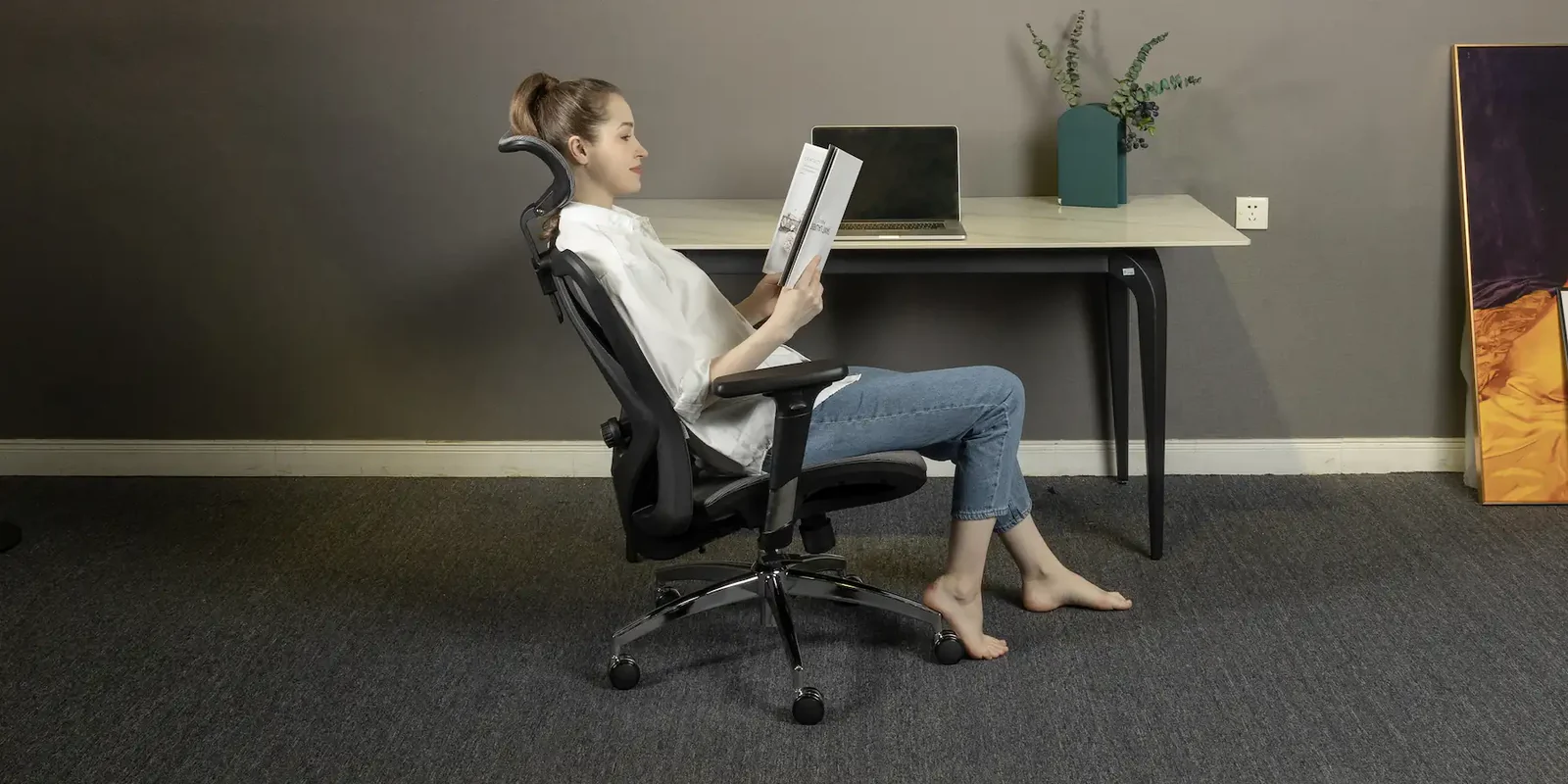
Working from home sounded great at first. No commute, flexible hours, coffee within arm’s reach. Then the body starts noticing things. Tight shoulders during afternoon calls. Lower back pain after a few weeks. That uncomfortable shifting around during meetings because the chair stopped feeling supportive three hours ago.
That is usually the point where people start paying attention to what they are sitting on.
A lot of remote workers eventually come across Sihoo while searching for a better setup. Not because the brand shouts louder than everyone else, but because it keeps appearing in conversations about comfort, posture, and practical workspace upgrades that do not feel wildly overpriced.
Most People Don’t Think About Their Chair Until It Starts Becoming a Problem
There is a reason people spend weeks researching monitors and laptops but barely ten minutes choosing a chair. A chair feels secondary until daily sitting becomes exhausting.
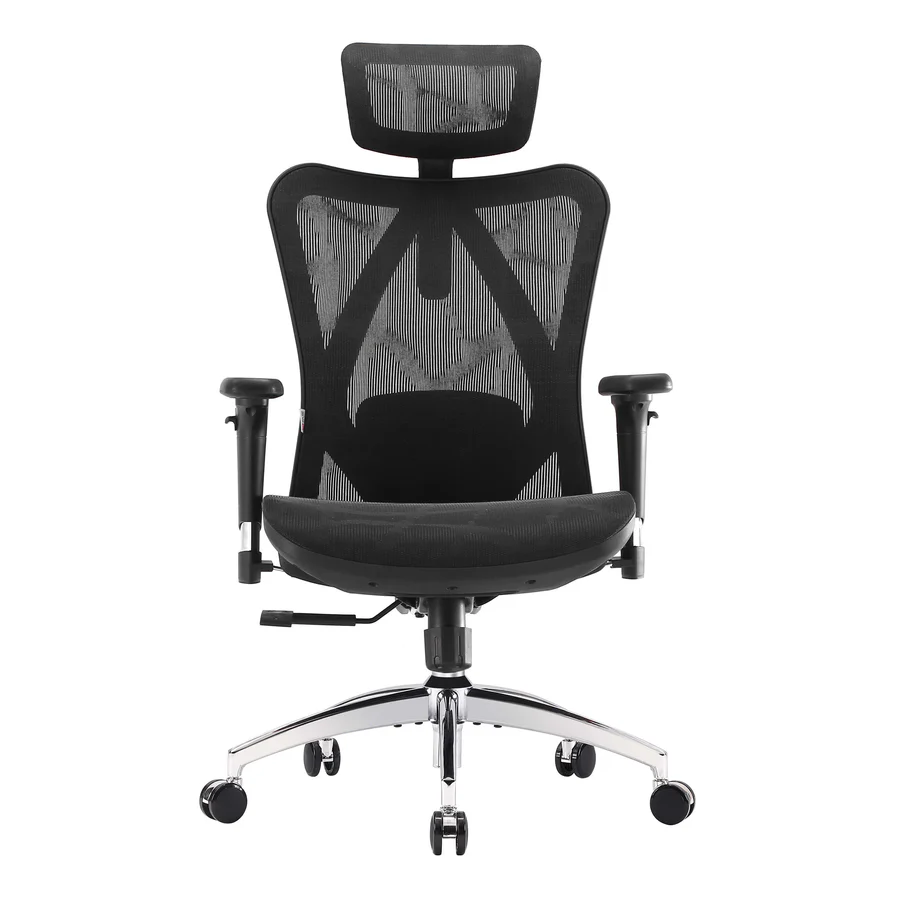
The interesting thing about Sihoo is that the brand seems to understand how people actually work from home now. Nobody sits perfectly upright for eight straight hours. People lean forward during calls, stretch back while reading, and shift positions throughout the day. A rigid chair usually becomes annoying fast.
That flexibility is why features like adjustable lumbar support, breathable mesh backrests, and reclining tension matter more than flashy design. A proper ergonomic chair changes how long a desk setup remains comfortable without constantly reminding you that you are sitting.
Home Offices Started Looking Different After Remote Work Became Normal
A few years ago, many home offices were temporary corners of the house. Kitchen chairs became office chairs. Dining tables became desks. Most people assumed it would not last long enough to matter.
Now the setup matters a lot more.
Remote workers are paying closer attention to things like desk posture, monitor height, and how their chair affects concentration during long workdays. The difference between a chair that supports your back properly and one that does not becomes obvious surprisingly quickly.
That is partly why Sihoo has gained attention among people building practical workspaces instead of luxury-looking ones. The chairs focus heavily on adjustability without making the whole setup feel corporate or intimidating.
Comfort Matters More During Long Hours Than People Expect
One thing that often gets overlooked in discussions about office furniture is mental fatigue. Physical discomfort slowly drains focus throughout the day.
A chair does not need to feel painful to become distracting. Constantly repositioning yourself, stretching your neck, or standing up every twenty minutes interrupts workflow more than people realize.
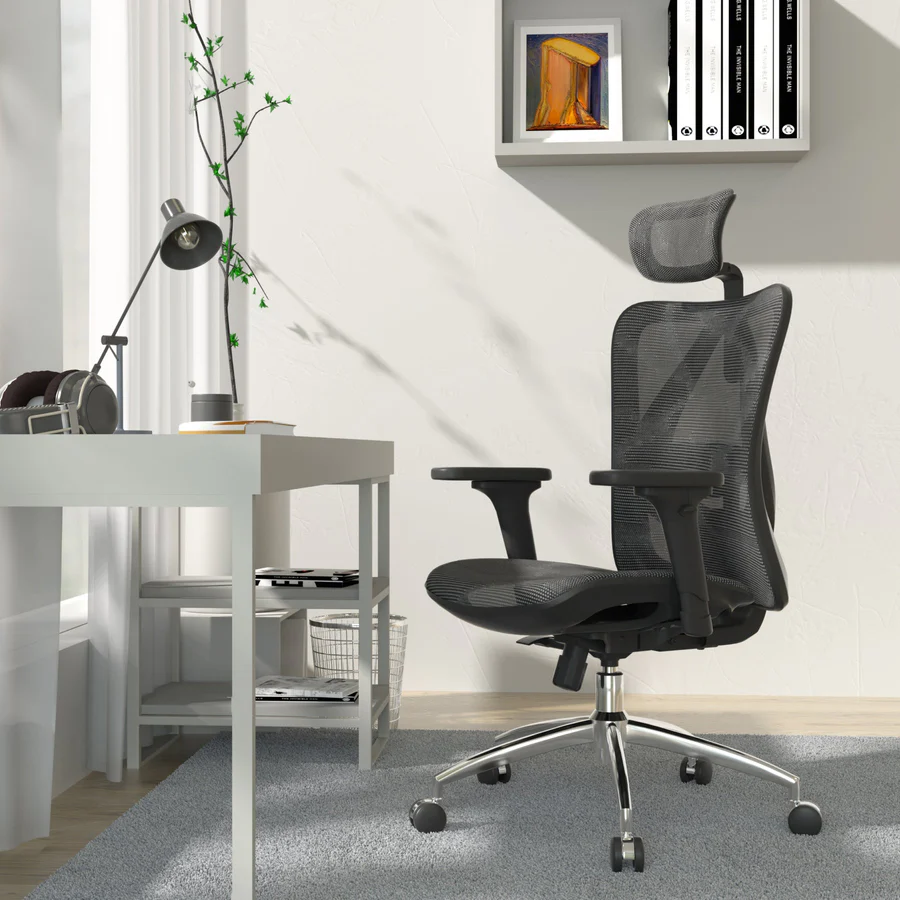
That is where details like headrest positioning and dynamic lumbar support start becoming valuable. A good mesh office chair does not force perfect posture every second. It simply supports the body naturally enough that sitting feels less noticeable.
For remote workers spending full days at a desk, that difference becomes surprisingly important.
The Price Conversation Around Ergonomic Chairs Has Changed
There was a period where ergonomic seating felt divided into two extremes. Cheap chairs that wore out quickly, or premium models priced high enough to make people hesitate for months.
Sihoo sits somewhere in the middle of that conversation, which is probably part of the appeal.
People upgrading a home office setup often want something reliable without turning the purchase into a major financial decision. They want adjustability, breathable materials, and decent build quality without paying luxury pricing just for branding.
That middle ground is where the brand seems to connect with a lot of remote workers.
It Is Not Always About Productivity
A lot of marketing around office furniture talks endlessly about productivity. Most people are not expecting a chair to magically improve work performance.
What they actually want is simpler.
They want fewer distractions during the day. Less stiffness after work. Better support during long meetings. Something that feels comfortable enough to stop thinking about entirely.
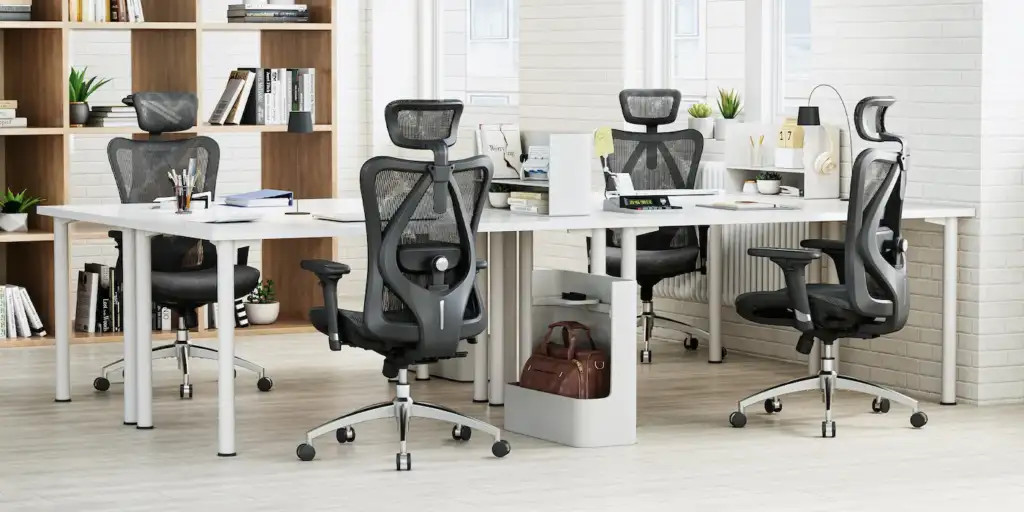
That is probably why discussions around lumbar support, adjustable armrests, and ergonomic seating have become more common recently. Remote work changed how often people interact with their workspace, and small discomforts became much harder to ignore.
For many people, finding Sihoo happens during that exact moment when a basic chair no longer feels good enough, but premium designer options still feel unnecessary.