

Share This Article
Traveling used to mean accepting bad internet. People would rely on weak campground signals, crowded coffee shop networks, or expensive mobile hotspots that stopped working the moment they left the city. That setup does not work anymore, especially for people who work remotely or stay on the road for long stretches.
A growing number of travelers are now turning to HomeFi because it feels more practical than traditional internet setups. Instead of scheduling installations or dealing with long contracts, users can simply power up the device and get online almost anywhere. For RV owners and digital nomads, that level of simplicity matters more than flashy features.
One thing that keeps coming up in conversations about portable internet solutions is flexibility. Travelers want internet that moves with them, not internet tied to one address.
Traditional WiFi Was Never Built for Travel
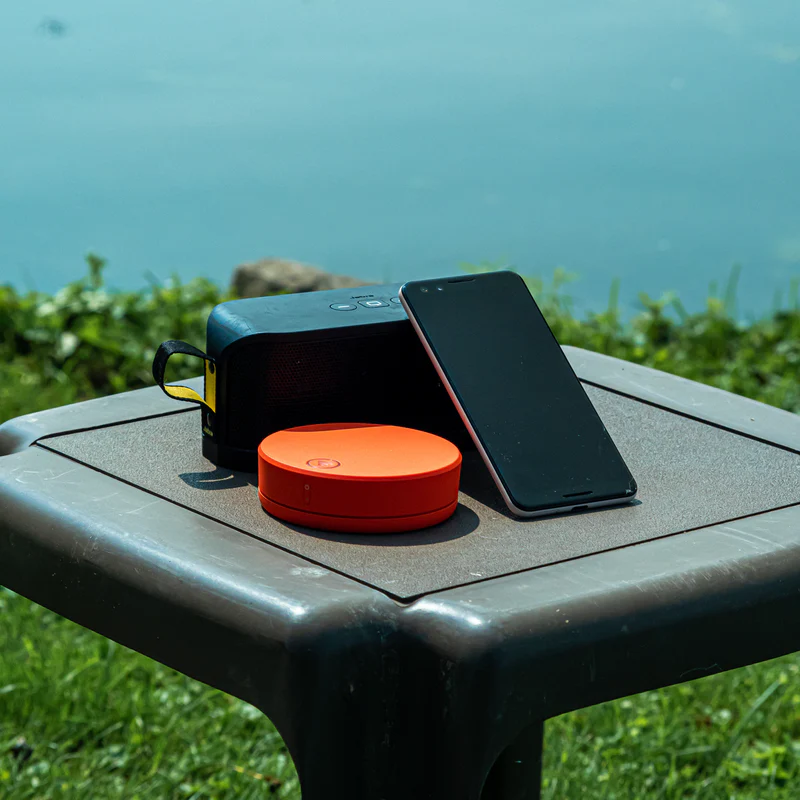
Most home internet providers are still designed around fixed locations. They work fine if someone stays in one house for years, but travel changes the equation completely.
People moving between campsites, cabins, or temporary rentals often run into problems like:
- Installation delays
- Coverage issues
- Contract restrictions
- Limited rural access
That is part of the reason services like HomeFi are getting attention from people who spend weeks or months away from traditional neighborhoods. The setup feels less complicated, especially compared to dealing with cable companies in unfamiliar places.
Another factor is how dependent travelers have become on stable internet. Video calls, streaming, navigation apps, and remote work tools all demand reliable access. Weak public WiFi simply does not hold up anymore.
Rural Areas Changed the Conversation
There was a time when poor internet in remote areas was just something people tolerated. That attitude has changed fast.
Travelers now expect solid connectivity whether they are parked near a lake, driving through smaller towns, or staying off-grid for a few days. Reliable rural internet service has become a genuine priority instead of a luxury.
This is where HomeFi stands out for many users. Instead of relying on one fixed cable line, the system is designed around wireless connectivity, which makes far more sense for people constantly changing locations.
A lot of RV communities have also started discussing mobile hotspot alternatives because traditional hotspots often come with frustrating speed limits or unstable signals. Travelers want something that feels closer to regular home internet without being tied down by physical installation.

Convenience Matters More Than People Admit
Many travelers are not looking for the most advanced networking setup imaginable. They just want internet that works without creating another problem to solve.
That is probably why HomeFi appeals to people who are tired of troubleshooting campground WiFi every night. The appeal is practical. Easy setup, portability, and fewer restrictions make daily travel less stressful.
There is also the issue of temporary living situations. Someone staying in an Airbnb for three weeks or traveling full-time in an RV usually does not want to negotiate with local internet providers. A portable setup makes more sense.
Travelers Are Prioritizing Freedom Over Contracts

One interesting shift is how people now think about internet plans in general. Long-term contracts used to feel normal. Now they often feel outdated, especially for younger travelers or remote workers.
Flexibility has become part of the buying decision. Travelers want to pause, move, or adjust services without dealing with cancellation fees or complicated support calls.
That is one reason many users end up exploring HomeFi after getting frustrated with conventional providers. The experience feels closer to modern travel habits.
There is also a growing interest in remote work internet setups because more people are working from vans, RVs, cabins, and temporary locations year-round. Internet is no longer just entertainment. For many travelers, it is directly connected to income and daily productivity.
Why the Shift Probably Continues
Travel habits are changing quickly, and internet expectations are changing with them. People no longer want to plan their routes around where they might find decent WiFi.
Services like HomeFi fit naturally into this shift because they align with how modern travelers actually live. Portable setups, flexible coverage, and easier connectivity solve real frustrations people deal with constantly on the road.
For travelers who have spent years fighting unreliable campground networks or expensive data limits, switching to HomeFi often feels less like an upgrade and more like relief.