Share This Article
A hunt comes down to a single moment. The animal emerges at dawn or dusk, light is dim, distance is uncertain, and you have seconds to make the shot that determines whether the hunt succeeds or fails. In that moment, every piece of equipment matters, but nothing matters more than optics. A quality scope lets you see what is actually there instead of what you think is there. It lets you identify distance, assess the animal, ensure a clean shot, and execute with precision. Poor optics turn that moment into a guess. The best hunters invest in optics because they understand that seeing clearly is not a luxury, it is foundational. Trust in hunting gear comes from reliability. Quality hunting optics and precision shooting gear from trusted manufacturers give hunters the clarity and confidence necessary for ethical, accurate shots in real hunting conditions. Hunting is not a sport where equipment failures are acceptable. This is why serious hunters choose optics and gear built for the demands of actual hunting, not marketing promises.
The Difference Between Budget Optics and Precision Hunting Scopes
A budget scope might get the job done in perfect conditions. Good light, still animal, no pressure. But hunting rarely happens in perfect conditions. Hunts happen at dawn when light is soft and grey. They happen at dusk when shadows blur detail. They happen in rain and fog and snow. They happen with wind moving the animal, with the hunter’s heart racing, with minutes of decision-making compressed into seconds. In those conditions, a scope that loses resolution, distorts colors, or shifts zero from one shot to the next becomes a liability. Precision hunting scopes are built for these conditions. They have superior glass coatings that gather light and preserve clarity in low-light situations. They have larger objective lenses that do the same work. They have mechanical designs that hold zero shot after shot, year after year, across temperature extremes and recoil. They have adjustment mechanisms that are precise to single clicks, so a half-inch adjustment at one hundred yards is exactly what you get. The difference is measurable and it is real. Hunting scopes engineered for precision deliver consistent accuracy under field conditions where light is low, pressure is high, and failure is not an option. Experienced hunters recognize this and choose accordingly.
Understanding Magnification, Objective Lens, and Field of View
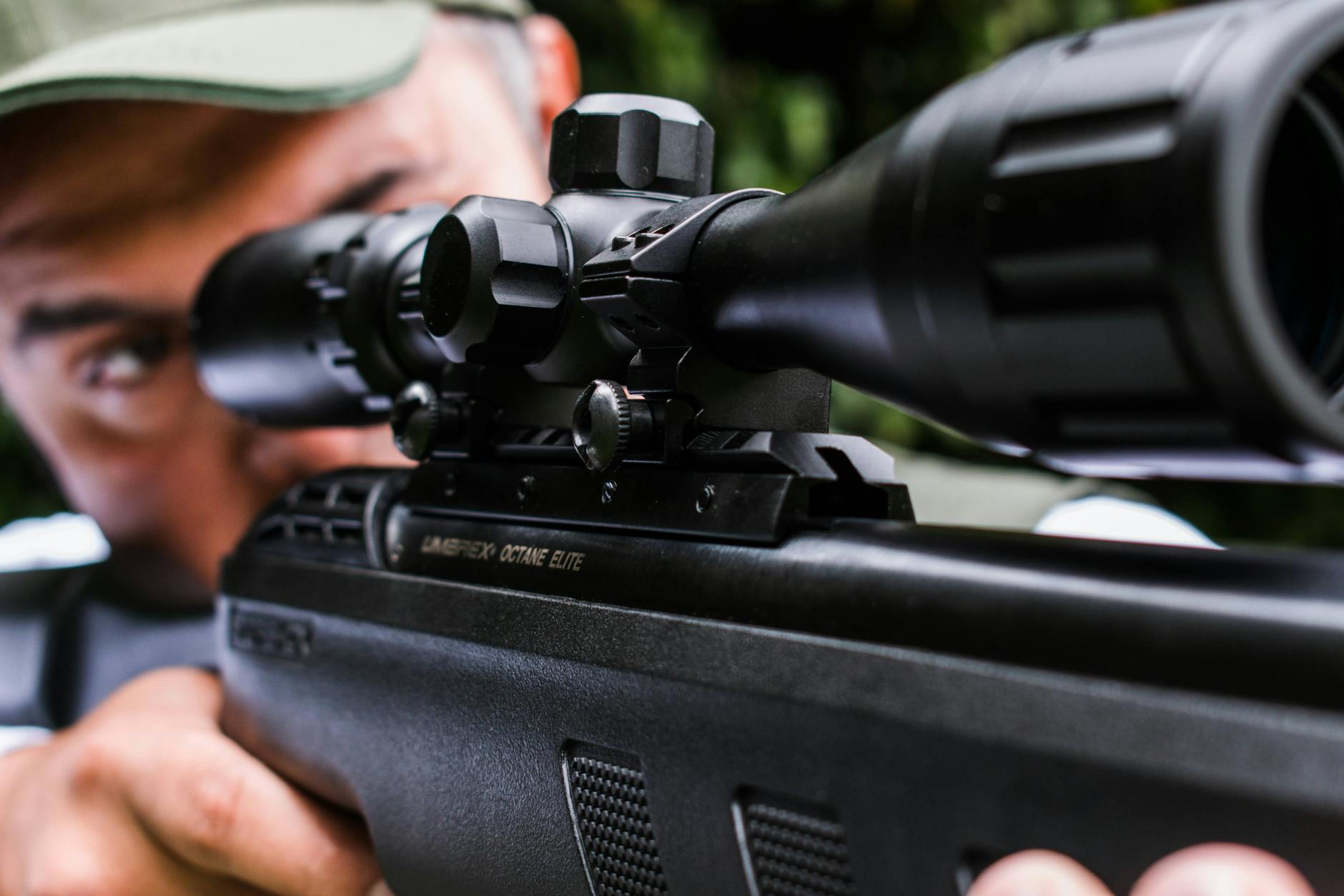
Scope specifications matter and they interact in ways that are not intuitive. Magnification alone tells an incomplete story. A 12x scope is more powerful than a 3x scope, but it is also narrower. At twelve power, you see a smaller slice of the landscape. This can make it harder to locate the animal initially because you are zoomed too far in. A variable scope like 3-12x gives you flexibility. You start at three power to locate and track movement, then increase magnification once you have the animal in view. Objective lens size, the number after the magnification, affects light gathering and exit pupil. A 3-9×50 scope has a fifty-millimeter objective lens. This larger lens gathers more light and is superior for low-light hunting. Field of view describes how much landscape you see at a given magnification. High-power scopes naturally have narrower fields of view. The trade-off between magnification and field of view is real and hunters must choose based on their hunting style. A hunter pursuing elk in thick forest needs a wide field of view and moderate magnification. A hunter taking long-range rifle shots in open country needs higher magnification. The scope that is perfect for one situation may be wrong for another. Selecting the right hunting scope requires understanding magnification, objective size, and field of view together so the optics match the actual hunting situation. This matching process is what separates appropriate gear choices from mistakes.
Reticle Design and Holdover for Precision Shots
The reticle, the crosshair or aiming point inside the scope, is often overlooked but it affects every shot. A simple crosshair works but it obscures the target at high magnification. Modern reticles integrate elevation markings so hunters can compensate for bullet drop at different ranges without adjusting the scope. This matters for hunting because conditions change. You might practice at one hundred yards but find yourself needing a shot at two hundred yards. If the reticle has holdover marks calibrated for your specific ammunition and rifle combination, you can make that adjustment instantly without touching the scope. This is particularly valuable in windy conditions or when the animal is moving and time is short. First focal plane reticles change size with magnification so holdover marks stay proportional. Second focal plane reticles stay the same size so you must account for magnification when using holdover. Understanding this distinction matters. Reticles designed for hunting applications give shooters tools to compensate for distance and environmental variables instead of relying solely on scope adjustments. A reticle matched to your hunting distances and ammunition becomes an extension of your skill.
Durability and Zero Stability Under Hunting Conditions

Scopes must survive elements. They must handle temperature swings from freezing mornings to warm afternoons without internal fogging. They must function after exposure to rain and snow. They must withstand the repeated recoil of shots fired and the jarring impact of climbing over rocks and fallen trees. They must hold their zero, their point of impact, across the season without drifting. Budget optics often fail in these conditions. Internal fogging happens when temperature extremes cause condensation inside the scope. Recoil hammers internal parts loose over time, shifting zero. Corrosion eats at metal parts in damp environments. Precision hunting scopes are sealed with nitrogen gas to prevent fogging. They have tight mechanical tolerances so recoil does not shift zero. They use corrosion-resistant materials or protective coatings. A hunter who trusts their scope is a hunter who can focus on the hunt instead of wondering whether equipment will fail. This trust comes from experience, from using the same scope across seasons, through varied conditions, and watching it perform consistently. Hunting gear built for durability means that zero stays put, internal optics stay clear, and the hunter can rely on the scope across seasons and conditions. Reliability is the foundation of trust.
Glass Quality and Light Transmission
Not all glass is equal. The purity of the glass, the precision of the lens grinding, and the coatings applied to lens surfaces all affect how much light reaches your eye and how clearly you see through the scope. Premium glass has fewer impurities, so it transmits more light with less distortion. Precision grinding ensures that lenses focus without aberrations or color fringing. Multi-coated optics use layers of compounds applied to lens surfaces to reduce reflection and increase light transmission. A scope with ninety percent light transmission shows a noticeably brighter, clearer image than one with seventy percent transmission. In low light conditions, which is when many hunts occur, this difference is the difference between seeing an animal clearly and seeing an outline. The best hunting scopes use fully multi-coated optics that achieve light transmission above ninety percent. This comes at a cost, which is why budget scopes skip it. But for serious hunters, the cost is justified because it directly impacts shot placement, which impacts success. Premium glass and multi-coated optics deliver superior light transmission, so hunters see clearly in low-light conditions when actual hunting typically occurs. The investment compounds across seasons.
Complementary Gear That Completes the Hunting System
A quality scope is one piece of a larger system. The rifle must be accurate. The ammunition must be consistent. The mounting system must hold the scope firmly without shifting. The shooter’s technique must be sound. The hunter’s physical conditioning must be sufficient for the terrain. Each piece affects the whole. A perfectly zeroed premium scope mounted on an inaccurate rifle still produces poor results. Good ammunition in a rifle with poor bedding still shoots poorly. The best hunters think systemically. They invest in a quality rifle and quality ammunition, and then they invest in optics that match that level of precision. They ensure mounting is done correctly and they practice regularly with the exact ammunition they hunt with. This comprehensive approach is what separates hunters who harvest reliably from hunters who struggle. Building a hunting system where scope, rifle, ammunition, and technique all work together at a high level creates the conditions for consistent success and ethical hunting. The scope is part of the system, not a stand-alone tool.