

Share This Article
There is no shortage of wellness drinks right now. Walk through any grocery store and you will see shelves packed with teas promising energy, immunity, focus, better sleep, and everything in between. Most of them blend together after a while.
That is probably why brands like Happy Being stand out so quickly. The products do not feel like another trendy drink trying too hard to sound healthy. The whole approach feels calmer, simpler, and honestly more realistic for everyday life.
A lot of people are tired of wellness products that come with complicated routines or ingredient lists that read like science projects. Happy Being seems to understand that shift better than most.
It Starts With the Way the Products Feel
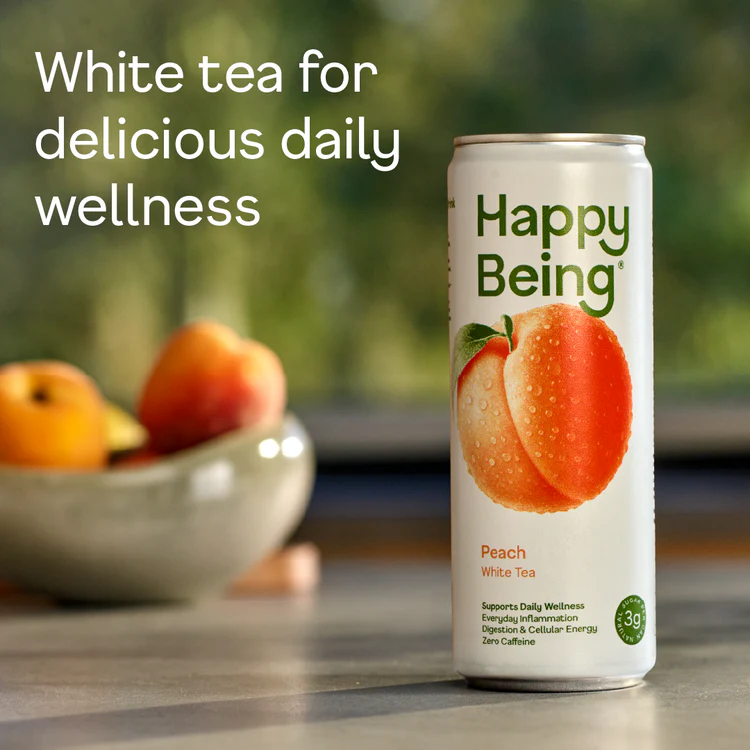
Some wellness brands lean heavily into marketing language. Every drink is “life changing” or “revolutionary.” After a while, it becomes hard to trust any of it.
Happy Being takes a quieter route. The drinks are positioned more like daily support instead of miracle fixes, and that changes the entire experience around the brand.
The white tea blends feel designed for people who want something functional without turning their kitchen into a supplement shelf. Ingredients like turmeric, elderberry, EGCG, and vitamin D3 are familiar enough to feel approachable, which matters more than brands often realize.
That balance between wellness and simplicity is probably one reason functional beverages have become part of so many people’s routines lately.
The Flavor Actually Matters
One thing that gets overlooked in the wellness space is taste. Plenty of supposedly healthy drinks end up sitting untouched in the fridge because they taste overly sweet, artificial, or strangely bitter.
Happy Being avoids that problem pretty well.
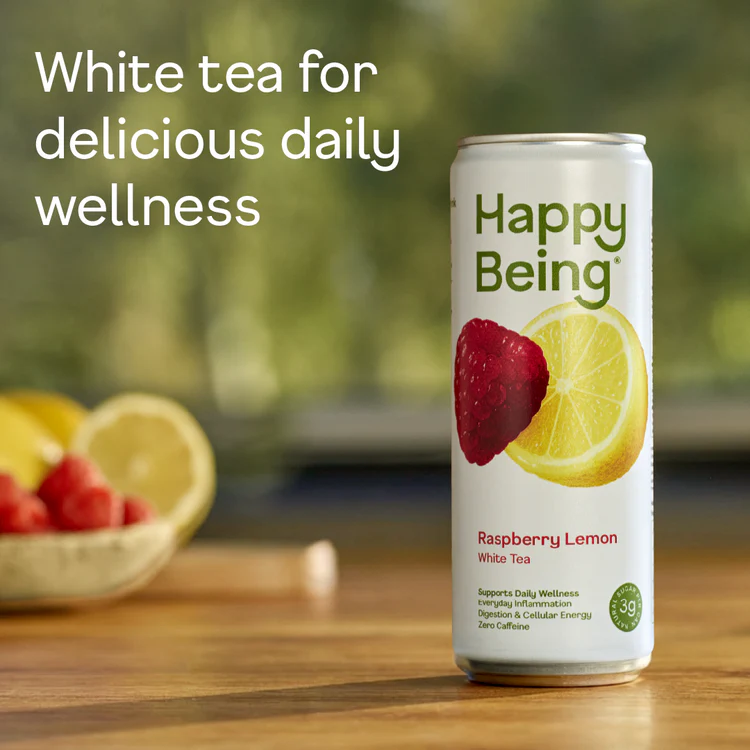
The flavors feel lighter and more drinkable compared to many powdered mixes or overly flavored wellness teas. It is easier to imagine someone reaching for it during a normal afternoon instead of forcing themselves to drink it because it is “good for them.”
That matters because consistency usually comes from enjoyment, not discipline.
A lot of people trying to reduce sugary drinks are not necessarily looking for another intense health product. They just want options that feel cleaner and easier to keep around daily.
Wellness Without the Extreme Energy Pitch
There has also been a noticeable shift away from drinks built entirely around caffeine overload.
For years, wellness marketing focused on boosting productivity at all costs. Now the conversation feels different. People care more about steady energy, less bloating, and ingredients that support long term habits instead of quick spikes.
That is where Happy Being fits naturally.
The products feel closer to modern wellness drinks than traditional energy beverages. There is less of that jittery “go harder” tone and more focus on feeling balanced throughout the day.
The Packaging and Branding Feel Less Clinical
Another thing that separates Happy Being from many tea brands is the overall presentation.
Some functional drink companies go so deep into science branding that everything starts looking like pharmacy packaging. Others swing too far in the opposite direction and become overly trendy for the sake of aesthetics.
Happy Being lands somewhere in the middle.
The branding feels clean without looking sterile. The products still feel wellness focused, but they also feel approachable enough to leave out on the kitchen counter without turning the space into a supplement display.
That visual simplicity matters more than people think because wellness products are becoming part of daily lifestyle choices, not just occasional purchases.
Why People Are Paying More Attention to Functional Tea
Tea itself is not new, obviously. What has changed is how people think about it.
More consumers are moving toward drinks that serve a purpose beyond hydration. Some want better focus. Others are trying to support digestion or cut back on soda and sugary coffee drinks.
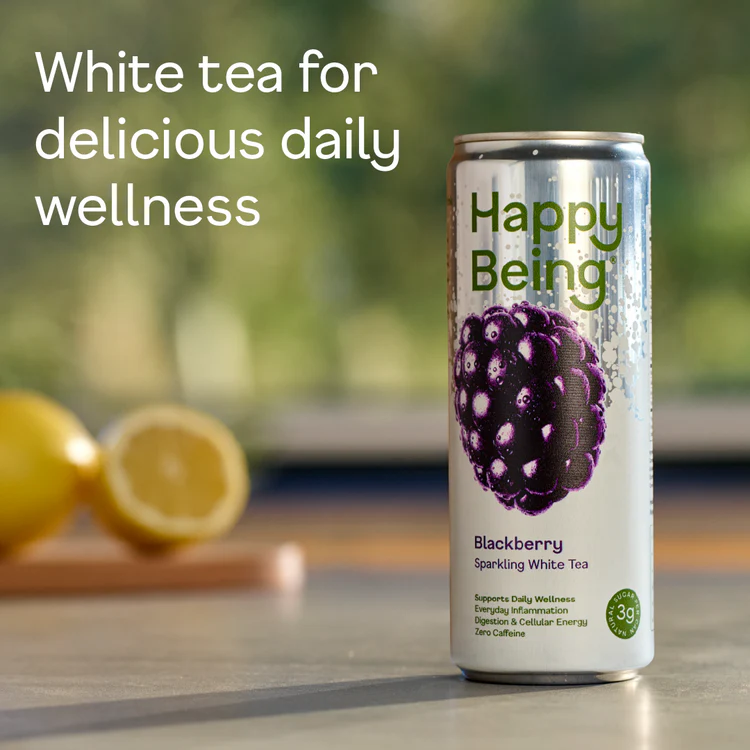
That has opened the door for products built around white tea blends, immune support drinks, and cleaner ingredient combinations.
Happy Being benefits from that shift because the brand does not feel disconnected from real routines. The products make sense for busy mornings, mid afternoon slumps, or evenings when someone wants something lighter than coffee.
It feels less like a health trend and more like a small adjustment people can actually stick with.
A Different Kind of Wellness Brand
What makes Happy Being different is not one single ingredient or flashy promise. It is the overall tone of the brand.
The products feel designed for normal people trying to make slightly better choices without becoming obsessed with wellness culture. That alone makes the brand more relatable than many competitors in the same space.
There is also something refreshing about a company that does not constantly push intensity. Sometimes people just want a drink that tastes good, feels clean, and fits naturally into daily life.
That might be the biggest reason Happy Being keeps gaining attention while so many other healthy tea brands start to blur together.