
Share This Article
Clean drinking water is essential for health, yet tap water quality varies significantly across regions and can contain various contaminants. Water filter systems provide families with reliable protection against common water quality issues while improving taste and odor. Understanding the available filtration technologies and how they work can help you make an informed decision about your household water quality needs and investment priorities for long-term family health.
Common Water Contaminants and Health Concerns
Municipal water systems treat tap water to meet safety standards, yet contaminants can still be present including chlorine, sediment, bacteria and chemical residues from industrial or agricultural sources. Water Filter Water filtration solutions address these specific concerns by removing or reducing harmful substances that affect water quality and safety. Different regions face unique water challenges, some areas struggle with mineral content creating hard water, while others deal with bacterial contamination or chemical presence from aging infrastructure that requires targeted treatment solutions. Local water quality reports can reveal specific contaminants present in your supply.
Health-conscious families increasingly recognize that filtration extends beyond basic safety to encompassing taste, odor and long-term wellness considerations. Lead, pesticides and pharmaceutical residues can accumulate in standard tap water supplies, making comprehensive filtration a worthwhile investment for family protection and peace of mind. Testing for specific contaminants helps identify which filtration technology best addresses your water quality challenges and provides the best return on your investment.
Types of Water Filtration Technologies
Modern water filter systems employ various filtration methods, each addressing specific contaminants and water quality issues effectively. Activated carbon filters excel at removing chlorine, sediment and organic compounds while improving taste and odor significantly. These filters work through adsorption, contaminants bond to the carbon’s porous surface, reducing their presence in drinking water and enhancing palatability. UV filtration systems neutralize bacteria and viruses without chemicals, offering supplementary protection for microorganism concerns in vulnerable water supplies.
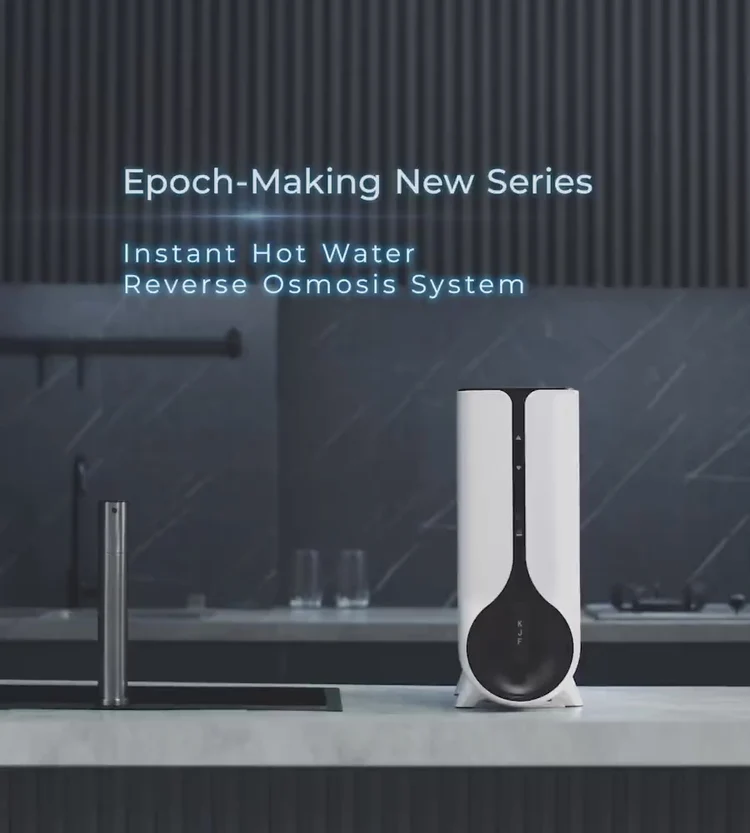
Reverse osmosis systems use membrane technology to remove dissolved minerals and contaminants, producing highly purified water suitable for families with specific health concerns or sensitivity issues. Ion exchange softening addresses hard water by replacing mineral ions with sodium, reducing scale buildup in pipes and appliances while extending their operational lifespan. Multi-stage filtration systems combine several technologies to provide comprehensive water treatment addressing multiple contaminant types simultaneously and protecting your entire household water supply from various threats.
Whole House vs. Point-of-Use Filtration

Choosing between whole house and point-of-use water filter solutions depends on your household needs and budget constraints. Whole house systems treat all water entering your home, protecting appliances from mineral buildup and ensuring clean water from every tap for bathing, washing and cleaning purposes. This comprehensive approach prevents contaminants from affecting your skin, hair and clothing while maintaining appliance efficiency and longevity throughout their operational life. Whole house filtration also reduces reliance on bottled water, creating environmental and economic benefits for your family and community.
Point-of-use systems like under-sink or faucet-mounted filters target specific locations where you consume water most, offering affordability and targeted treatment for drinking and cooking water specifically. Many families choose a combination approach whole house filtration for general protection and point-of-use filters for enhanced drinking water quality and taste. This hybrid strategy balances cost effectiveness with comprehensive water quality improvements throughout your home while ensuring maximum purity where it matters most for your family’s health and wellness.
Maintenance and Cost Considerations

- Carbon filters require replacement every three to six months depending on water usage and quality, ensuring consistent filtration effectiveness and preventing bacterial growth on exhausted filters through regular maintenance schedules
- Reverse osmosis membranes last one to three years but provide superior purification compared to standard carbon filtration methods and handle complex contamination scenarios effectively
- Mineral softening systems need regular regeneration cycles to maintain ion exchange capacity and prevent mineral rebound that reduces effectiveness over extended periods of time and use
- Professional installation costs vary based on system complexity but ensure proper setup and optimal performance from day one plus valuable warranty protection and expert support services
- Long-term savings from appliance longevity and health benefits often exceed initial filtration system investment costs within the first five years of system operation and use
Making Your Decision
Selecting the right Water Filter water filtration system requires understanding your specific water quality challenges and lifestyle needs. Begin by testing your water to identify present contaminants, many suppliers provide free testing or certified laboratory analysis that reveals exactly what treatment your water requires. Consider your family size, budget and maintenance commitment when evaluating options from simple faucet filters to comprehensive whole house systems designed for long-term household protection and satisfaction.
Quality water filtration represents an investment in your family’s health and home protection that delivers years of measurable benefits. Whether addressing specific contamination concerns or simply improving taste and odor for daily consumption, the right system provides years of cleaner, safer drinking water and peace of mind about your household’s water quality and safety standards.
