
Share This Article
Finding the right walking shoes hiking enthusiasts can rely on often comes down to terrain, weather, and distance. Decathlon CPA stocks a dedicated outdoor footwear range that spans light trail shoes and sturdier boots within one catalogue. Shoppers moving between a flat towpath and a steep, rocky ridge can compare options side by side. That breadth is the starting point for understanding what the collection actually offers.
Walking Footwear Essentials: What Decathlon Offers
Decathlon CPA splits its walking and hiking footwear by terrain rather than building around a single universal design. Boots meant for uneven, wet ground sit alongside lighter shoes built for maintained paths. Ankle height, sole pattern, and water resistance shift from model to model, so the right pick depends on where someone actually plans to walk.
Material choice shapes how each shoe behaves over a full day outdoors. Mesh panels let air move through in warm weather, while treated uppers and membranes resist rain and mud. Rubber outsoles work alongside these materials to hold traction on loose stone, roots, and wet rock. The combination of these elements determines not just comfort during active walking, but also how long the footwear remains functional across changing conditions throughout the day.
The MH900 Waterproof Hiking Boot Line for All Conditions
Within the Decathlon CPA lineup, the MH900 line targets walkers who expect wet ground or sudden weather changes. These boots use a membrane built into the construction that blocks moisture while still letting some air through. The outsole is shaped for grip on muddy slopes and loose gravel, which matters once a trail turns slick underfoot.
Higher ankle cuffs on these boots add stability across uneven ground, cutting down on the twisting motion that can strain a foot on long descents. That build suits multi-hour walks through moorland, forest trails, and rocky paths. The waterproofing also extends to the seams and collar, preventing water entry at common weak points where traditional stitching would allow moisture to seep in. Among walking shoes hiking options built as boots, this pairing of waterproofing and ankle support is a common requirement for variable terrain.
Trail-Ready Shoes: Breathable and Seamless Construction
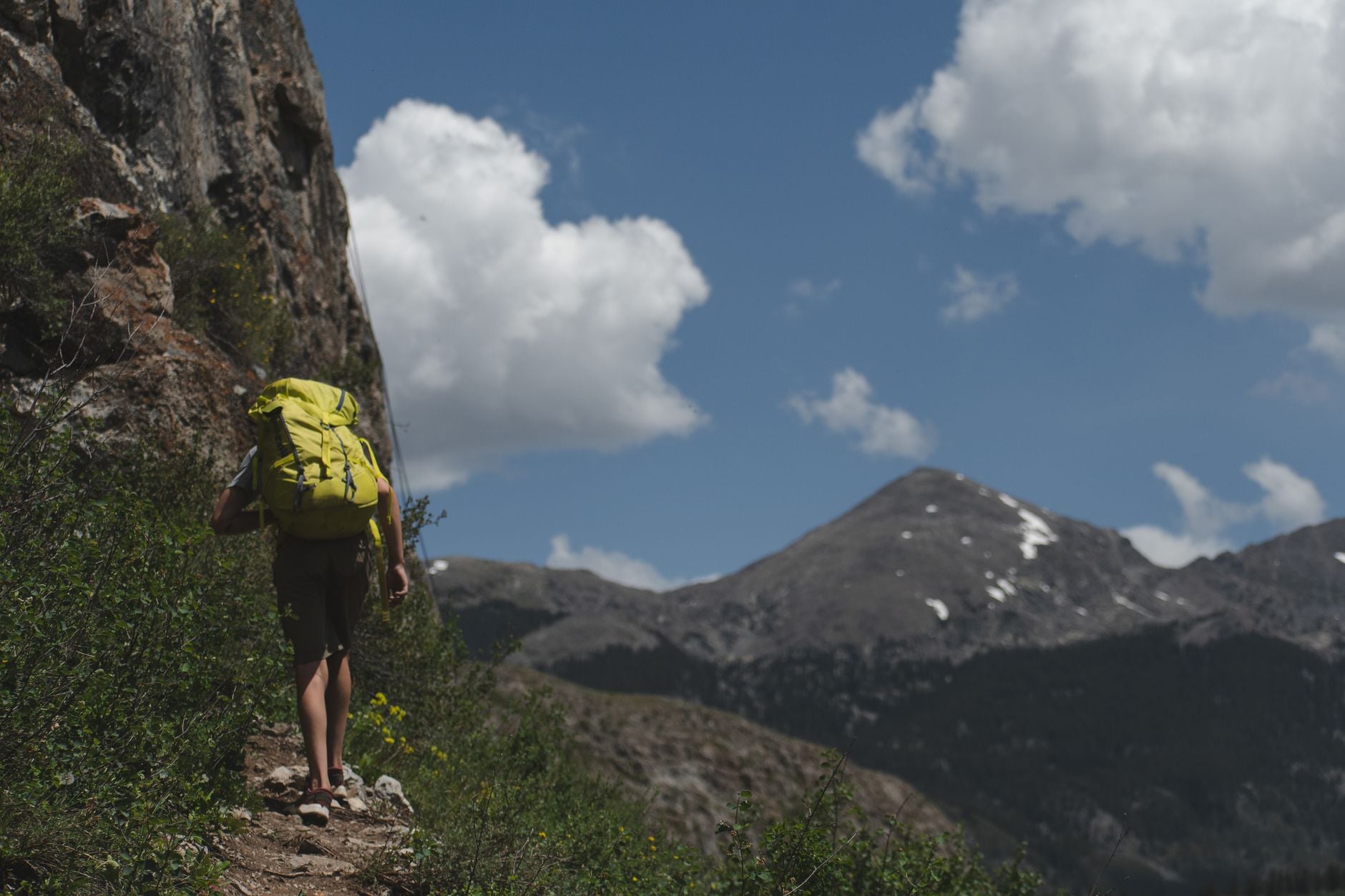
Not every outing calls for a full boot, and lighter trail shoes fill that gap in the Decathlon CPA range. These shoes often use seamless construction in spots where stitching would otherwise rub, cutting down on friction during long stretches on the trail. Breathable mesh panels run through the upper to manage heat on warmer days or faster-paced hikes.
Lower-cut designs trade some ankle support for flexibility and a lighter feel underfoot. That trade-off suits day hikes on maintained paths better than scrambles over loose rock. In addition, the reduced weight compared with a full boot can matter once a walk stretches into hours rather than minutes. The lighter construction also makes these shoes suitable for walkers who prefer a responsive ground feel and need to move quickly across established terrain without the additional fatigue that heavier boots can introduce over extended periods.
Testing Standards: Real-World Trail Durability
Hiking footwear tends to wear down gradually instead of failing all at once. A sole can look sound after a short walk and still lose grip once worn thin by abrasive rock or repeated mud exposure. That is why varied terrain and distance, not a single inspection, tend to reveal how a shoe or boot actually holds up over time.
Wet trails, rocky climbs, and flat gravel paths each stress different parts of a shoe in different ways, which is why hiking footwear in general gets evaluated across more than one surface. Anyone comparing walking shoes hiking models built for different intensities benefits from weighing those variables rather than looking at price alone. Decathlon CPA organises its range around exactly that kind of terrain distinction, separating boots from lighter trail shoes instead of offering one catch-all design. This approach reflects how real hiking conditions vary from week to week and season to season, with most trails combining multiple surface types in a single outing.
- Waterproof hiking boots use a membrane suited to wet trails and unpredictable weather.
- Trail shoes with seamless construction reduce friction points during long, repeated strides.
- Breathable mesh uppers help manage heat during warmer or faster-paced hikes.
- Higher ankle cuffs add stability on uneven ground, including moorland and rocky paths.
- Low-cut trail shoes suit maintained paths where flexibility matters more than ankle rigidity.
- Rubber outsoles are shaped for grip across loose gravel, mud, and wet rock.
Decathlon’s Commitment to Quality Footwear at Accessible Price Points

Decathlon CPA brings boots and lighter trail shoes together under one outdoor footwear section rather than a single flagship product. That breadth lets someone walking occasionally on local paths and someone covering longer, rougher routes both find something matched to their terrain. The walking shoes hiking category within the catalogue stays relevant across that range of habits. By organising the collection this way, the brand makes it simpler to navigate what might otherwise be an overwhelming selection, allowing each shopper to quickly identify models suited to their actual needs.
Choosing between a boot and a shoe, in the end, comes down to the ground underfoot and the length of the walk. Waterproofing, breathable mesh, and reinforced soles each answer a different part of that question. Together they form a collection built around the practical demands of actual trails, which Decathlon CPA continues to organise by terrain rather than by a single standard design.
Closing Thought
Hiking footwear proves itself through the miles walked, not through features listed on a spec sheet alone.
