
Share This Article
There was a time when creating professional artwork required years of training, expensive software, and significant talent. Today, a revolution is underway. Artificial intelligence is democratizing creative expression, making it possible for anyone—regardless of experience or background—to produce stunning artwork. OpenArt AI stands at the forefront of this transformation, offering a powerful, intuitive platform that turns your creative vision into reality. Whether you’re a professional designer seeking a faster workflow, an aspiring artist exploring your potential, or a business needing custom visuals, OpenArt AI provides the tools to create without limits. This article explores what OpenArt AI is, how it works, what you can create, and why it’s becoming essential for anyone engaged in creative work. Discover how AI is reshaping the future of art and design, and how you can tap into this creative revolution today.
Understanding OpenArt AI and the Creative Revolution
OpenArt AI is a sophisticated artificial intelligence platform designed to generate artwork from text descriptions. Instead of spending hours sketching, refining, and perfecting a design, you describe what you want to create—a Victorian-era library, a cyberpunk cityscape, a serene mountain lake at sunset—and AI generates multiple artistic interpretations instantly. This sounds like science fiction, but it’s happening now. The technology underlying OpenArt AI represents years of research into machine learning, image generation, and creative computation. The platform has been trained on vast datasets of artistic styles, compositions, and techniques, allowing it to understand the subtle relationships between words and visual imagery. When you describe a concept, OpenArt AI doesn’t just match keywords to images—it understands the artistic intent behind your description and generates original artwork that captures that vision. The result is a tool that augments human creativity rather than replacing it. Professional artists use OpenArt AI to rapidly explore multiple design directions. Marketers generate custom visuals for campaigns without expensive photo shoots or designer fees. Entrepreneurs create product mockups and marketing materials instantly. What unites all these users is the ability to transform ideas into visuals at speeds previously impossible.
How OpenArt AI Works: From Concept to Artwork
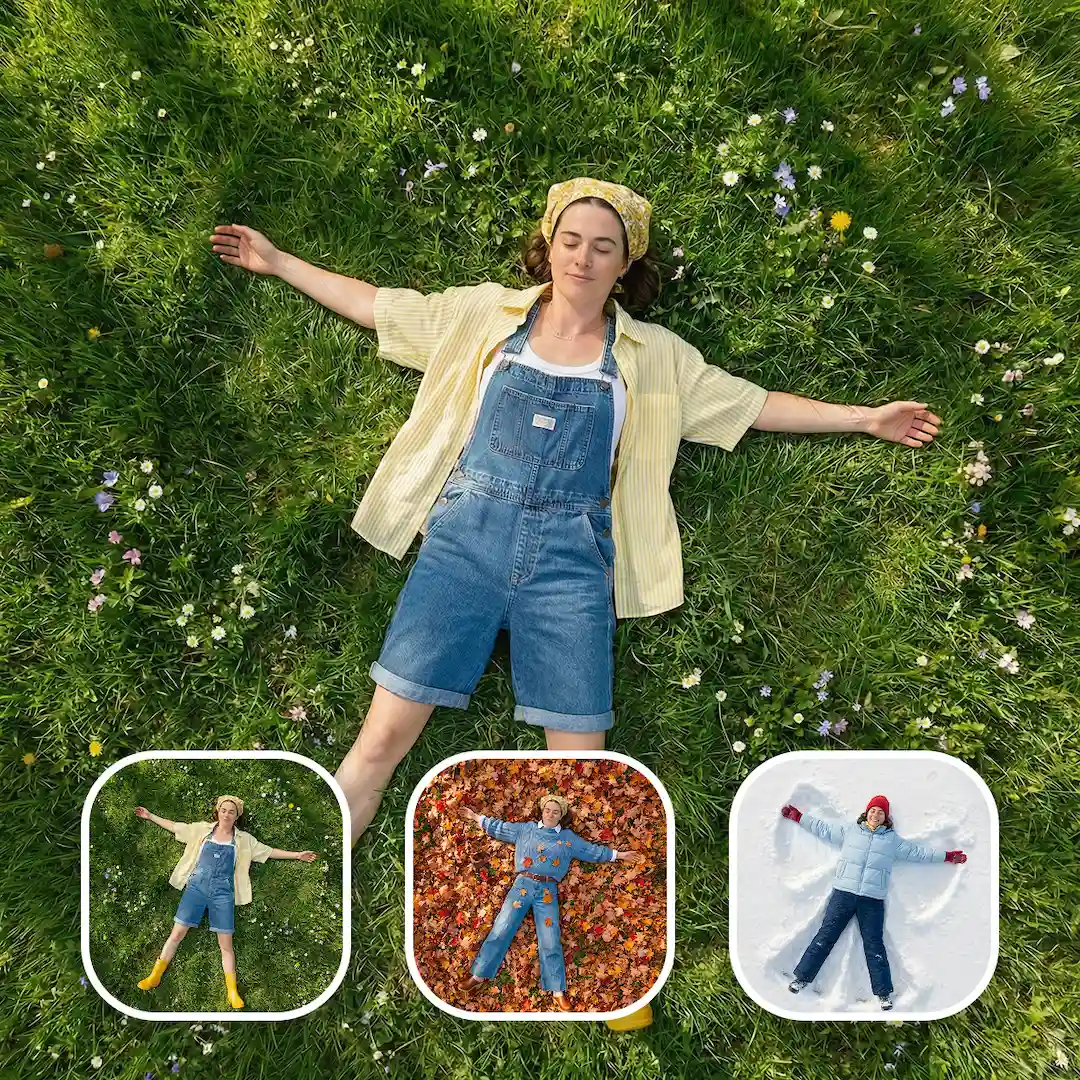
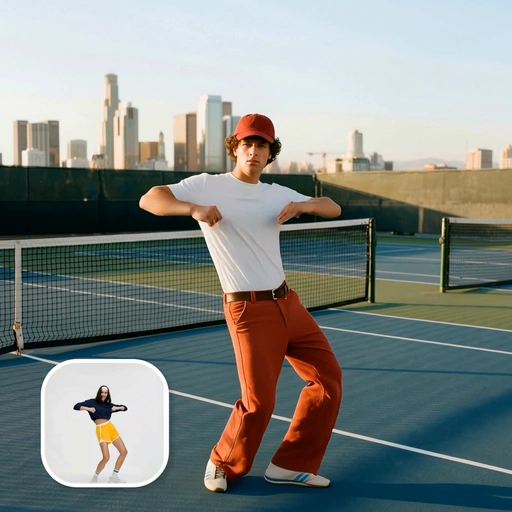
The process is elegantly simple. First, you describe what you want to create in natural language. Be specific: instead of “a dog,” try “a golden retriever running through a sunlit meadow, photorealistic, professional photography.” The more detailed your description, the more precisely the AI captures your vision. OpenArt AI then processes your description through its neural networks, understanding both the literal elements and the aesthetic intent. It generates multiple variations—typically between 4-16 different interpretations depending on your settings. This is where the platform shines: you’re not locked into a single result. You explore multiple creative directions, refine your description based on results, and iterate toward your ideal image. If one variation is close but not quite right, you can regenerate specific aspects, adjust the style, or modify the composition. This iterative process mirrors how human artists work, sketching variations and refining until achieving the desired result. The platform supports various styles: photorealistic, oil painting, watercolor, comic book art, 3D render, and countless others. You can reference specific artists or art movements (“in the style of Van Gogh,” “art deco design,” “cyberpunk concept art”) and the AI understands these references, generating artwork that captures those aesthetic qualities.
Creative Possibilities Without Limits
What makes OpenArt AI truly revolutionary is the sheer scope of what you can create. Designers use it to generate background images, UI elements, and design assets at a fraction of traditional costs. Marketers create campaign visuals customized to specific audiences and messages. Content creators produce unique illustrations for blog posts, videos, and social media. Authors visualize characters and scenes from their stories. Game developers generate concept art and textures. Fashion designers explore color combinations and patterns. The creative applications are endless because the tool removes technical barriers. You don’t need Photoshop skills or years of art training—you need imagination and the ability to describe what you envision. This democratization means creative professionals can focus on strategy and vision rather than execution, while non-professionals can produce work that previously would have required hiring professionals.
Speed That Changes Everything
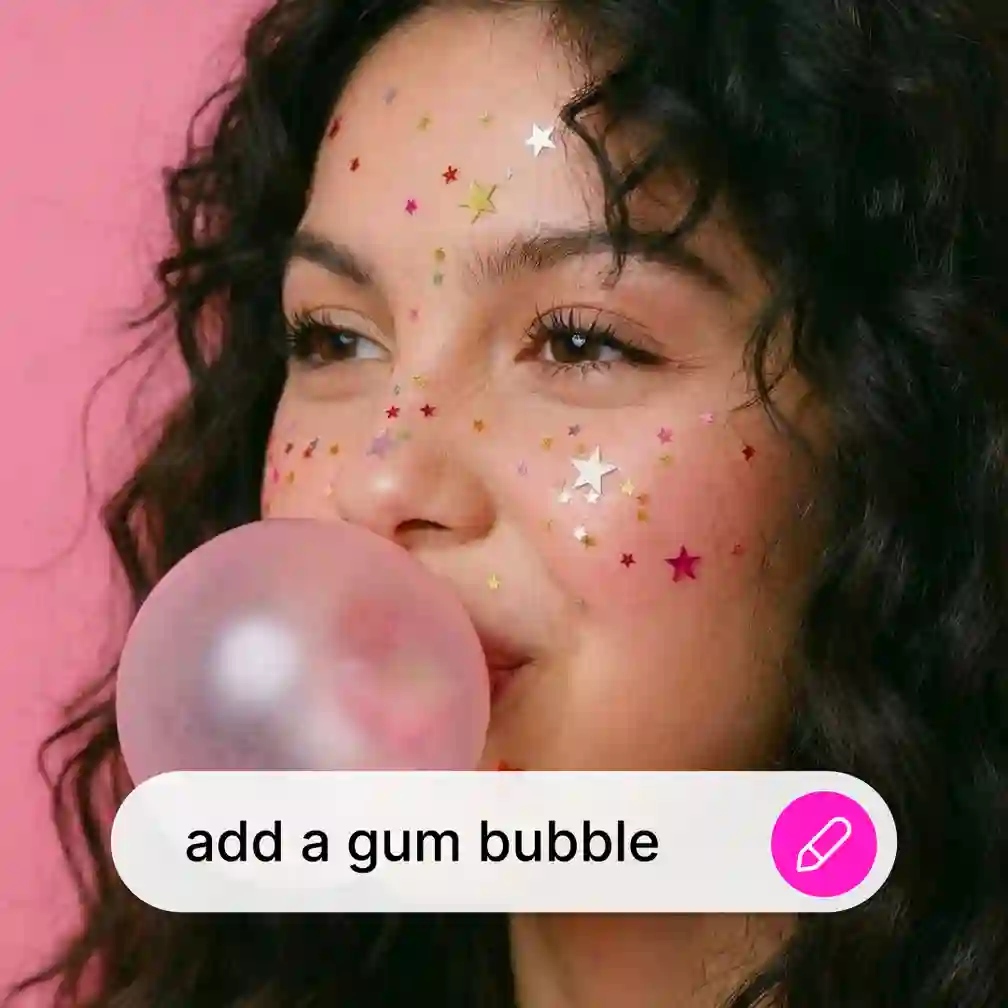
Traditional workflow: brainstorm concept → sketch → refine → create digital version → iterate on feedback → finalize. This process takes days or weeks. OpenArt AI workflow: describe concept → generate variations → select and refine → done. Often the entire process takes minutes. For businesses and creative professionals, this speed differential is transformative. A designer who previously spent a day on mockups now produces multiple high-quality versions in an hour. A marketer who needed a professional photo shoot now generates custom campaign visuals instantly. An entrepreneur prototyping a product can visualize it from multiple angles without expensive 3D rendering. This acceleration removes bottlenecks, enables rapid experimentation, and fundamentally changes what’s possible within project timelines and budgets.
Quality That Rivals Professional Work
Early AI art generation often produced visibly artificial results. OpenArt AI has evolved far beyond this. The platform now generates artwork of genuinely impressive quality—visuals that can credibly be used in professional contexts, marketing campaigns, and published work. Details are sharp, lighting looks natural, compositions are balanced, and artistic styles are accurately rendered. The quality has reached the point where many people cannot distinguish AI-generated artwork from human-created work. This isn’t accident—it’s the result of sophisticated algorithms, extensive training data, and continuous refinement. For many applications, the quality bar has already been crossed: if artwork serves the creative purpose effectively, the method of generation matters less than the result.
Accessibility Meets Professional Capability
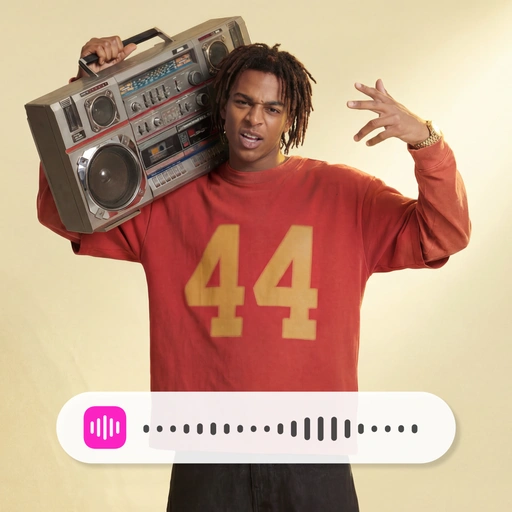
What truly distinguishes OpenArt AI is making professional creative capability accessible to everyone. Previously, creating professional-quality artwork required significant investment: hiring designers, purchasing expensive software, or spending years learning to create yourself. OpenArt AI provides professional-grade creative tools in an intuitive, affordable platform. This democratization is important not just economically—though saving thousands in design costs is valuable—but culturally. It means aspiring artists can explore their creativity without financial barriers. It means small businesses can compete creatively with larger corporations. It means ideas that matter can be visualized and shared regardless of the creator’s artistic background.
Creativity is no longer limited by technical skill. OpenArt AI provides the tools to transform ideas into stunning visuals, enabling artists, designers, entrepreneurs, and creators of all kinds to realize their vision instantly.
Ready to create? Discover the future of digital art with OpenArt AI—where imagination meets intelligent technology, and where your next masterpiece is just a description away.