
Share This Article
A burglary does not need a broken window to be upsetting: a jewellery box emptied, a passport missing, or a shoebox of cash gone from a wardrobe can unsettle a household for longer than the loss itself warrants. Home security safes exist precisely to prevent that scenario, giving cash, documents, and valuables a fixed, reinforced place that an opportunist cannot simply carry off. The Safe Shop stocks a wide range of these units, from compact key-locked boxes to larger insurance-rated models, which gives homeowners a practical starting point for comparing options.
What Home Security Safes Do and Why Homeowners Need Them
At their core, safes exist to slow down or stop unauthorised access to belongings kept inside a property. They are built from steel, fitted with reinforced locking bolts, and often anchored to a floor or wall so they cannot be lifted out whole. That matters because a safe that can be carried away offers little real protection, no matter how strong its door is.
Beyond deterring theft, these units also keep valuables organised in one place, which makes it easier to know exactly what is stored and where. The Safe Shop lists safes across several categories, including home, high security, fireproof, gun, floor, wall, and key safes, and the insurance bands described further on apply consistently across the home, high security, and fireproof lines. That breadth means the choice depends less on brand loyalty and more on what needs protecting and how often it needs to be reached.
Key Locking Methods: Digital Keypads, Key Locks, and Smart Options
Locking mechanisms vary considerably across the range. Digital keypad models allow entry through a numeric code, which suits households that prefer not to manage a physical key. Key-locked safes rely on a traditional mechanical lock and a set of back-up keys, an option some owners find simpler and more familiar.
Fingerprint locking and dual locking systems also appear within the catalogue, alongside a small number of smart-locking models. The Safe Shop filters its home safes by locking type, including digital keypad, key, fingerprint, dual locking, and smart, which lets shoppers narrow results by how they intend to open the unit day to day. Automatic door opening, seen on certain electronic models, is another convenience some buyers weigh against a manual key turn.
The Chubbsafes Home Range and Budget-Friendly Entry Models
Among the named product lines, the Chubbsafes Home range is one of the more visible options for domestic buyers at The Safe Shop. It includes the Chubbsafes HomeVault 15K, an 18-litre unit with a key lock, carpeted interior, and interior light, carrying an insurance rating of £4,000. Models like this are positioned as high security safes for home use, built with features that go beyond a basic lockbox.
Alongside Chubbsafes, the range also lists the Yale Maximum Security 18.6-litre electronic home safe, which uses a digital keypad, automatic door opening, and a carpeted and lit interior, with an insurance rating of £2,000. The Burton Home Safe S2 1E, an 11-litre digital security safe, carries a higher £4,000 insurance rating despite its smaller capacity. These three sit at different points on size and rating, showing that capacity and insurance cover do not always move together.
Fireproof Safes and Protection Against Fire Damage
Fire protection is a separate consideration from break-in resistance, and The Safe Shop treats it as its own category. Its fireproof safes range is built to protect paper, digital media, and other sensitive items, with fire ratings spanning 30, 60, 90, and 120-plus minutes. Some models specifically list protection for lithium-ion batteries, external hard drives, CDs, DVDs, USB sticks, tapes, film, and suspension filing, not just paper documents.
Brands within this fireproof category include Chubbsafes, Phoenix, Burg Wachter, Securikey, De Raat, Burton, Yale, and Sentry, among others. Locking types here mirror the wider range of home security safes, covering dial combination, digital keypad, key, fingerprint, and dual locking options. For anyone storing irreplaceable paperwork or backup drives, the fire rating and the type of media it protects are usually the two details worth checking first.
Insurance Ratings and How They Relate to Safe Coverage

Insurance ratings are a recurring theme across listings for home security safes, and they indicate the maximum cash value a safe is considered able to protect for insurance purposes. Standard ratings run from £1,000 to £3,000, medium ratings from £4,000 to £10,000, and high ratings from £17,500 to £60,000, with maximum ratings covering £100,000 and above. Filters also cover fixings, with floor, wall, and combined floor-and-wall mounting listed as separate options.
High security safes within the catalogue are certified to Eurograde 2 or higher, with cash ratings listed from £17,500 up to £150,000 depending on the model. That certification is separate from fire resistance, so a unit can carry a strong insurance rating without any fire protection at all, or combine both. Checking the insurance rating alongside any required documentation remains a sensible step before relying on a safe for higher-value items.
Deposit Safes and Specialty Safes for Different Needs
Not every safe is designed purely for cash and jewellery sitting on a shelf. The range from The Safe Shop includes deposit safes, often used where repeated access by multiple people is needed without opening the whole unit, along with underfloor safes, hidden wall safes, and outdoor key safes. Gun safes and floor safes also appear as distinct categories, reflecting the fact that storage needs differ by what is being secured and how often it needs retrieving.
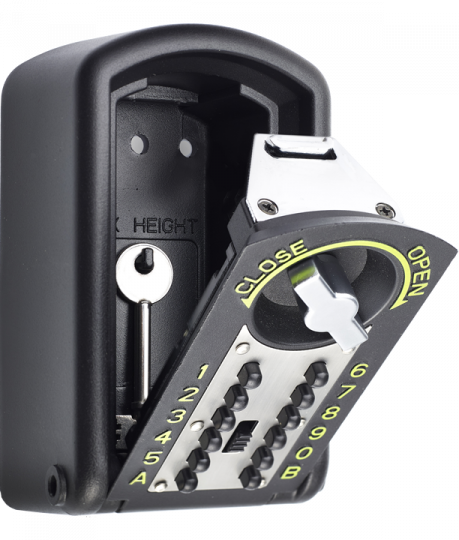
Specialty formats extend to laptop safes, hotel safes, marriage register safes, and till drawer safes, each shaped around a particular use case rather than general home storage. The Burton Keyguard XL, for example, is a wall-mounted, police-approved key safe that secures five keys using a button combination. Variety like this means the decision usually starts with the item being protected, not the safe itself.
- Cash storage safes typically combine a digital keypad or key lock with an insurance rating that reflects the cash value they are designed to cover.
- Document protection safes prioritise fire resistance and are often built to accept A4 paper alongside suspension filing.
- Jewellery safes commonly include a carpeted interior and sometimes an interior light to protect and display smaller valuables.
- Fireproof options extend coverage to digital media, including external hard drives, USB sticks, and lithium-ion batteries, not just paperwork.
Closing Thought
Choosing among home security safes ultimately comes down to matching a specific category, lock type, and rating to a specific need, rather than picking the biggest box available.
