Share This Article
If you are searching for a Transkriptor review, you are probably trying to figure out whether it actually saves time or just adds another step to your workflow. Transcription tools promise convenience, but the real test is accuracy, ease of use, and how well they handle messy audio. This breakdown focuses on practical performance, not marketing claims.
How Transkriptor Fits Into Modern Workflow Needs
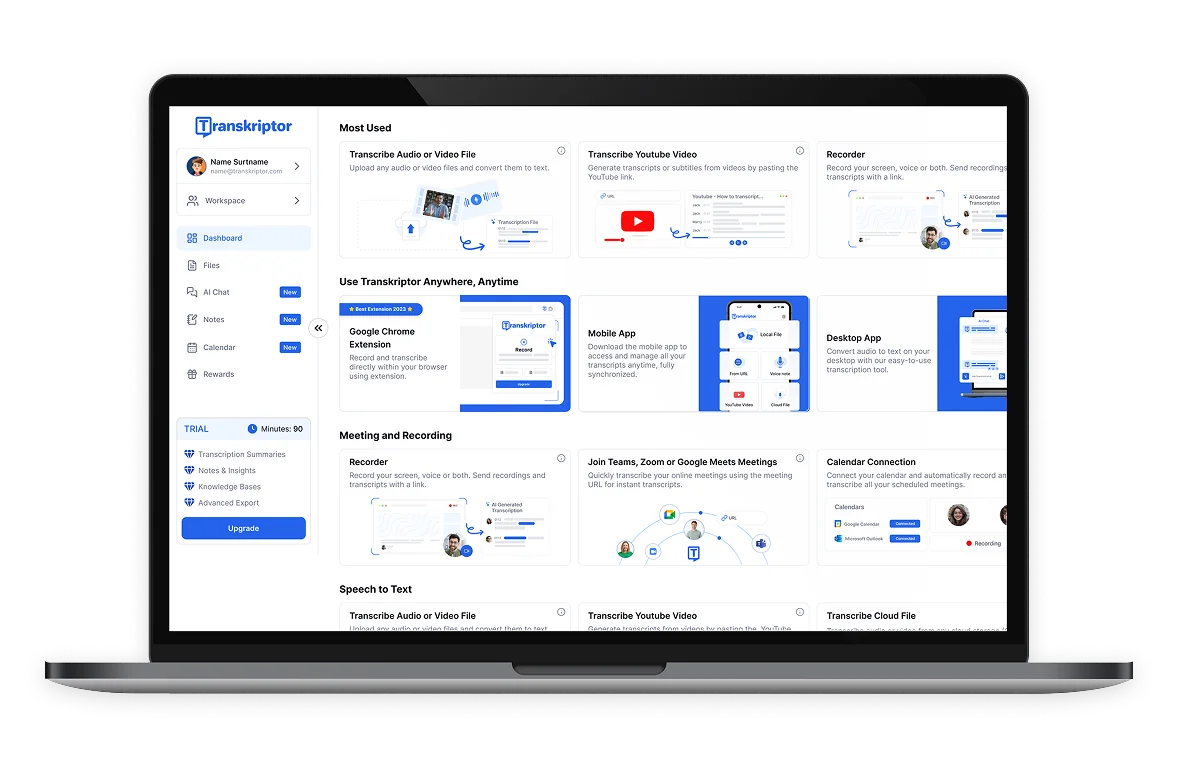
Transkriptor is built for users who deal with meetings, interviews, lectures, or content creation. The main appeal is simple, turning spoken audio into text without manual typing. When exploring Transkriptor through its official platform, the emphasis is clearly on speed and accessibility.
For many users, the frustration usually comes from spending too much time rewriting or correcting notes. This tool aims to reduce that effort by automating the first draft of transcription. It does not replace editing, but it reduces the workload significantly.
The interface is also designed to be straightforward. Uploading files or recording directly is not overly complicated, which helps users who do not want to spend time learning software instead of using it.
Accuracy And Real Use Transcription Quality
Accuracy is where any Transkriptor review needs to be honest. The tool performs well with clear audio, especially in structured conversations like meetings or interviews. It captures speech in a readable format that only needs light editing afterward.
However, performance can vary when audio quality drops. Background noise, overlapping speakers, or strong accents may reduce precision. This is a common challenge across most transcription tools, not just this one.
What stands out is how quickly it produces a usable draft. Even when edits are needed, starting from a structured transcript is much faster than starting from scratch. That time saving is often the main reason users stick with tools like this.
Speed And Workflow Efficiency

Speed is one of the strongest points in this Transkriptor review. Uploading audio and receiving a transcript takes significantly less time than manual typing or traditional note-taking.
This is especially useful for professionals handling multiple recordings per day. Instead of pausing work to transcribe, the tool allows you to process files in the background and return to finished text.
There is also value in how it fits into existing workflows. Users can move from recording to editing without switching between multiple platforms, which reduces friction in daily tasks.
Features That Improve Productivity
Transkriptor focuses on practical tools rather than unnecessary complexity. It is designed to support real work scenarios instead of overwhelming users with advanced settings.
- Automatic speech to text conversion, reduces manual transcription effort and saves time on repetitive tasks
- Multi-language support, helps users working with international content or diverse speakers
- Editable transcripts, allows quick corrections without restarting the entire process
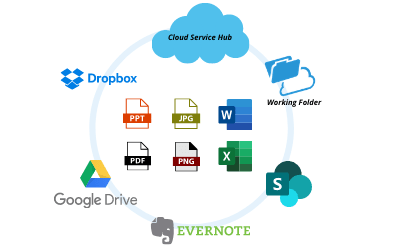
- Cloud access, enables users to manage files from different devices without losing progress
- Export options, makes it easy to move transcripts into documents or presentations
- Meeting and interview support, works well for structured conversations with clear speakers
View all on Transkriptor
User Experience And Ease Of Navigation
A strong point in this Transkriptor review is the overall ease of use. The platform does not feel overloaded, which helps new users get started quickly without confusion.
Navigation is direct, with clear options for uploading files, recording audio, or accessing saved transcripts. This reduces the learning curve compared to more complex transcription software.
Another useful aspect is how edits are handled. Instead of forcing users into separate tools, everything stays within the same workspace. That makes small corrections less time consuming.
Value Compared To Other Transcription Tools
When comparing Transkriptor to other tools, the main difference is balance. It does not try to be overly technical or overly simplified. Instead, it focuses on delivering usable transcripts with minimal effort.
Pricing is generally positioned for regular users rather than occasional use only. This makes it more suitable for professionals, students, or content creators who need frequent transcription support.
While some competitors may offer more advanced AI features, they often come with added complexity. Transkriptor keeps things practical, which can be more valuable for everyday tasks.
Final Thoughts On Real World Performance
This Transkriptor review shows a tool that prioritizes speed, usability, and practical output over perfection. It is not designed to eliminate editing entirely, but it reduces the time needed to get from audio to text.
For users who deal with regular recordings, it offers a clear improvement in workflow efficiency. It works best when audio quality is reasonable and expectations are focused on productivity rather than flawless transcription.
Overall, Transkriptor fits well into modern work routines where saving time matters more than technical depth.