
Share This Article
For many people trying to understand their fertility, the journey starts with guesswork. Apps make predictions, calendars highlight “fertile windows,” and ovulation strips offer quick yes-or-no answers. But the reality of hormone cycles is more complex than a simple calendar alert. Hormones rise, fall, and fluctuate differently for every individual. That is exactly where Oova approaches fertility differently. Instead of relying purely on estimated timelines, Oova focuses on hormone data to help users track what is actually happening inside their bodies. Through testing and digital tracking tools, Oova aims to give people a clearer picture of ovulation patterns, hormonal shifts, and cycle timing so decisions about conception or reproductive health feel more informed rather than uncertain.
What is the Oova fertility test and how does it work?
The Oova fertility test is designed to track hormone patterns across the menstrual cycle using urine-based testing combined with digital analysis. Unlike single-use ovulation strips that provide only a momentary snapshot, Oova focuses on monitoring hormone levels over time to identify meaningful patterns. The system typically works through test strips that measure hormones such as luteinizing hormone (LH) and progesterone markers, which are essential signals during ovulation and the luteal phase. After testing, results are analyzed through the Oova platform, allowing users to view trends rather than isolated results. This approach can help identify whether ovulation occurred, when hormonal peaks appear, and how consistent those patterns are from cycle to cycle. The goal is not just predicting a fertile window but actually confirming hormonal activity behind it.
How is hormone tracking different from typical ovulation tests?
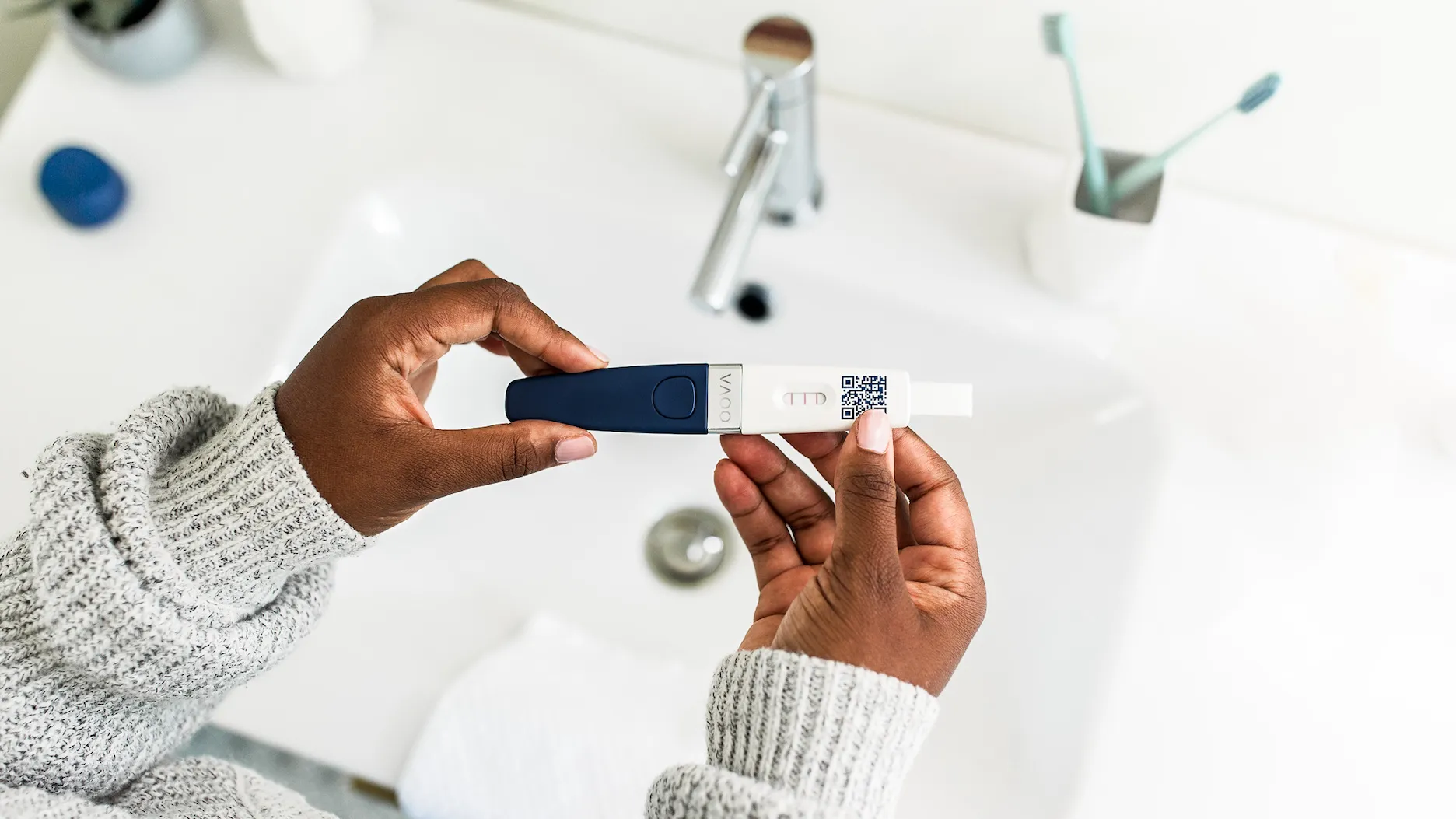
Hormone tracking goes deeper than standard ovulation prediction because it focuses on patterns instead of single signals. Traditional ovulation strips mainly detect a surge in LH, which suggests ovulation may happen soon. While helpful, that surge does not always guarantee ovulation occurred. By monitoring multiple hormone markers across several days, Oova attempts to build a clearer timeline of the cycle rather than relying on one indicator. This broader perspective can be useful for individuals whose cycles vary month to month or who want more insight into the luteal phase after ovulation. Because hormone levels fluctuate differently for everyone, a data-driven tracking approach can sometimes reveal patterns that calendar-based methods miss. The result is a more nuanced understanding of fertility timing rather than a simple prediction.
Who might benefit from using Oova fertility tracking?
Fertility tracking tools appeal to different users depending on their goals, and Oova is designed for people who want a deeper understanding of their hormone cycles. Some individuals are actively trying to conceive and want confirmation of ovulation to better time attempts. Others may be working with healthcare providers and want clearer hormone data to discuss cycle patterns or possible irregularities. The system can also appeal to those who simply prefer evidence-based tracking rather than relying solely on apps that estimate fertile days. Because Oova emphasizes hormone measurements and pattern recognition, it may feel particularly useful for people whose cycles are unpredictable or who want to monitor hormonal phases more closely. It is less about quick answers and more about understanding the bigger biological picture behind fertility.
What should you consider before choosing a fertility testing system?
Choosing a fertility testing system often depends on how much information someone wants about their cycle. Some users prefer quick ovulation strips that require minimal effort, while others want detailed insights into hormone behavior. A system like Oova sits closer to the data-driven side of that spectrum. It requires regular testing during certain phases of the cycle and attention to tracking patterns over time. The trade-off for this extra effort is the potential to see hormone trends rather than relying on occasional readings. For many people, that level of detail can help answer questions about ovulation timing or luteal phase consistency. However, it is also important to remember that no home testing system replaces medical advice. Fertility tracking tools can provide helpful information, but they are best viewed as part of a broader approach to reproductive health.
Understanding fertility through hormone patterns rather than guesses

Fertility tracking has evolved far beyond simple calendar predictions, and tools that analyze hormone patterns represent a growing shift toward more personalized insight. Oova stands out because it focuses on helping users see the biological signals behind ovulation rather than relying solely on estimated fertile windows. That emphasis on hormone data can be valuable for people who want clearer visibility into their cycle or who prefer evidence over assumptions. At the same time, the system requires consistent use and patience to interpret trends over multiple cycles. For users who appreciate detailed tracking and want to better understand how their hormones behave, Oova offers a thoughtful approach to fertility awareness that goes beyond guesswork and into measurable patterns.