Share This Article
Most history books start with dates and end with battles. This one starts with a child asking what a bowstring was made of in the Middle Ages and ends up covering everything humans have ever built, invented, or figured out across nine centuries of civilisation. The Book by Hungry Minds is the number one bestseller in History of Civilization and Culture on Amazon, with a 4.6-star rating from over 2,600 verified buyers, and it earns that position by doing something most encyclopedias fail at: making the reader genuinely curious about what comes next.
What It Actually Is
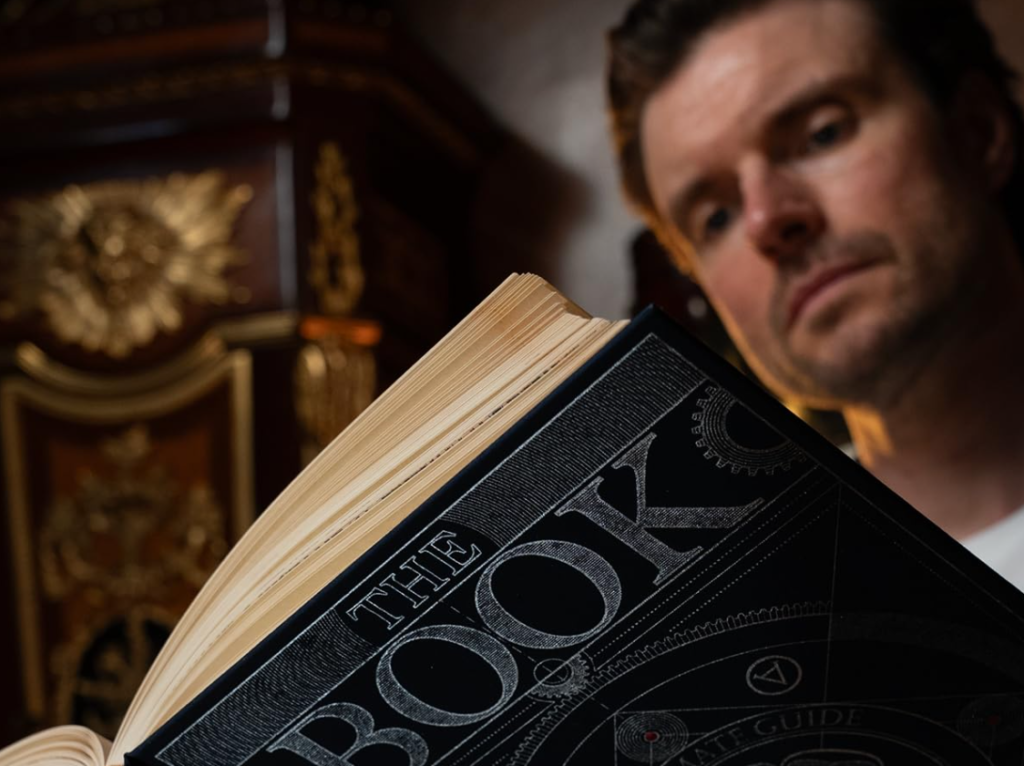
This is a 400-plus page hardcover knowledge encyclopedia covering the most significant human inventions and discoveries in history, presented through high-quality writing and detailed original illustrations. It was created by Hungry Minds, a brand whose origin story is unusually honest: the founder was a child who kept wondering about everyday survival in the Middle Ages, asked questions nobody around him could fully answer, and eventually turned years of research into a book that does.
The format is large, the binding is hardcover, and the quality of production is visible from the moment it arrives. It looks like a coffee table book in the best sense of that description, meaning it is something people leave out rather than shelve, and something guests pick up and start reading without being prompted. Opening it to a random page and spending twenty minutes reading before noticing the time has passed is one of the most commonly reported experiences across its thousands of reviews.
Nine Areas, One Book

Rather than presenting history as a sequence of dates, rulers, and wars, The Book organises its content around the domains of human civilisation that actually shaped daily life across generations. The nine covered areas are medicine, basic materials, mechanisms, military arts, hearth and home, farming, entertainment, musical instruments, and society.
Each section approaches its subject through the lens of practical invention and discovery. Medicine explores how humans understood illness and developed treatments across different eras, from herbal remedies to early surgical tools. Basic materials covers the discovery and use of stone, metal, clay, wood, and fibre, the foundational substances without which none of the other inventions would have been possible. Mechanisms goes deep into tools, machines, and engineering principles that evolved from simple levers and pulleys to complex devices for construction and manufacturing. Military arts examines the development of weapons, armour, fortification, and tactics across civilisations.
Hearth and home looks at shelter, cooking, heating, and the domestic inventions that made settled life sustainable. Farming covers the agricultural revolutions that allowed populations to grow and cities to form. Entertainment and musical instruments reveal the human need for culture, creativity, and play even in contexts of scarcity and survival. Society ties the whole book together with the structures, systems, laws, and social arrangements that allowed communities to function and expand.
Every section is detailed enough to be genuinely informative and illustrated well enough that reading it never feels like studying.
The Illustrations Are the Point
Most encyclopedias either prioritise text at the expense of visuals, or fill pages with photographs that add atmosphere without adding understanding. The Book takes a third approach: original, detailed illustrations created specifically to show how things looked, how they were constructed, and how they functioned. These are not stock images or decorative elements. They are drawings designed to explain, and they do that job consistently across all 400 pages.
The illustrations are particularly effective for content that is difficult to convey through text alone, like the mechanics of a medieval siege engine, the construction of a Roman aqueduct, or the structure of an early musical instrument. Buyers who describe the book as impossible to put down almost always mention the artwork alongside the writing as the reason. The combination of the two is what makes the book work as well for a curious twelve-year-old as it does for a well-read adult.
Who It Is For

The audience is genuinely broad, which the review base reflects clearly. History enthusiasts who want a structured and visually rich reference will find the depth satisfying. Parents looking for a home education resource that children will actually engage with, rather than tolerate, have consistently recommended it. Adults who are curious about how civilisation developed but have no interest in academic writing will find the tone accessible without ever feeling simplified.
It also makes an unusually good gift. The hardcover format, the quality of the binding, and the visual richness of the content mean it looks and feels like something worth giving rather than something grabbed in a hurry. Buyers regularly describe purchasing it as a gift for a father, partner, or teenager and then reading it themselves before wrapping it. Several have gone back to buy additional copies after giving the first one away.
What 2,600 Buyers Are Saying
The feedback is consistent across a large enough review base that the patterns are meaningful rather than coincidental. The illustrations are praised almost universally. The structure is described as logical and easy to navigate, with sections that work equally well read in sequence or dipped into at random. The depth of content surprises many buyers, particularly on subjects like medieval medicine, early mechanisms, and ancient farming techniques that receive more thorough treatment than expected.
Several reviewers describe it as the history book they wished had existed when they were at school. More than a few note that they had not expected to enjoy it as much as they did, having bought it primarily as a gift, and ended up reading it from start to finish.
For anyone curious about how human civilisation actually worked from the ground up, from the materials that made the first tools to the social structures that held the first cities together, The Book is one of the more complete and genuinely enjoyable answers to that question available.