Share This Article
A few years ago, swapping someone’s face in a video or photo required serious editing skills and expensive software. Today, that same trick can happen in minutes thanks to AI tools designed for everyday creators. Whether it’s for memes, marketing visuals, or just experimenting with digital content, face swap technology has become a surprisingly common creative tool. What people want, though, is simplicity. No complicated editing timelines. No steep learning curve. That’s where web platforms like Akool come in. The face swap tool on Akool focuses on making the process quick and accessible, allowing users to generate new visuals without needing professional editing experience.
How AI Face Swap Technology Actually Works
AI face swapping works by analyzing the structure of a face, things like eye placement, skin tone, and the shape of the jaw, and then mapping those features onto another image or video. Modern AI systems study thousands of facial reference points to understand how expressions and lighting behave. The face swap tool on Akool uses this type of automated analysis so users don’t have to manually align or edit anything themselves. Once an image or video is uploaded, Akool detects the facial landmarks and blends the replacement face into the original media. The outcome usually depends on the source material. Photos with clear lighting and visible facial angles tend to produce smoother results, while blurry or low-resolution images may lead to less convincing swaps.
Why Creators Are Experimenting With Face Swapping
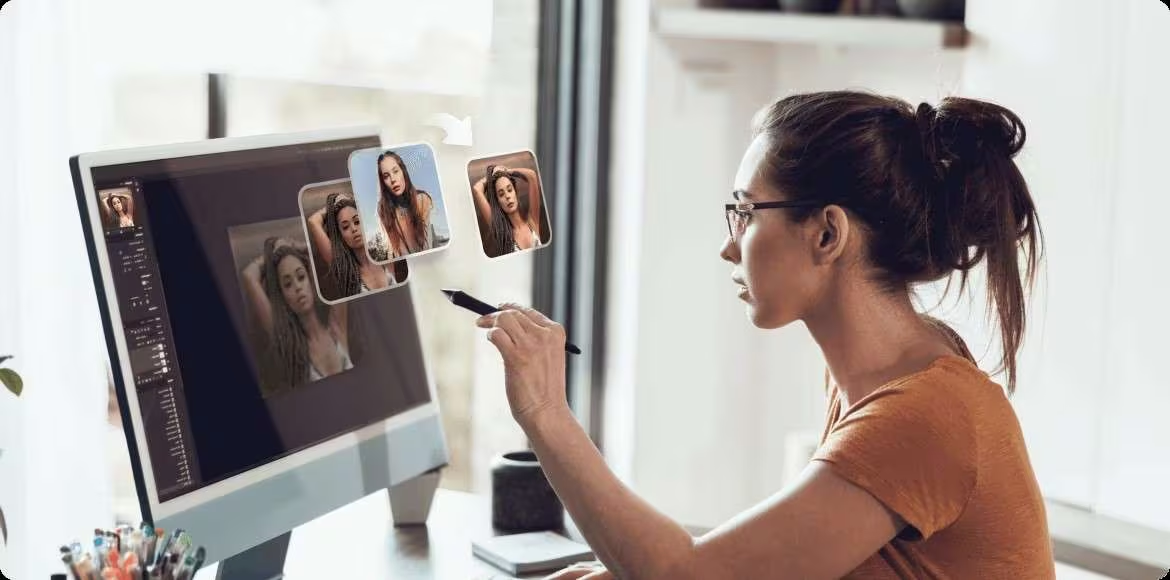
The growing interest in face swap tools is largely driven by how fast and flexible the technology has become. Content creators often test multiple visual ideas before deciding what works best for an audience. Platforms like Akool make that experimentation easier because users can generate variations quickly instead of filming new footage each time. Social media creators frequently use this kind of tool for humor or storytelling, especially when producing short-form videos. Marketers have also started exploring it during early concept stages for campaigns. Rather than organizing several shoots, a team can preview different creative directions with a few quick edits. Akool does not replace professional production, but it does allow creators to test visual ideas without committing to a large budget.
What the Face Swap Experience Is Like on Akool
One reason Akool stands out is the straightforward workflow. Many editing tools assume users understand layers, tracking, and visual effects terminology. The interface on Akool simplifies the experience by focusing on just a few steps. Users upload their source content, choose the face they want to swap in, and allow the AI system to process the media. The platform handles the alignment, blending, and adjustment automatically. This type of setup makes the tool approachable for beginners who might otherwise avoid editing software altogether. While professionals might prefer additional manual controls, the simplicity of Akool is exactly what makes it appealing for casual creators and social media users.
Can AI Face Swap Work Well for Videos?
Video face swapping is more complex than editing a still photo. When someone moves their head or changes expression, the software must track those movements frame by frame. The AI engine behind Akool attempts to manage this process automatically by following facial motion throughout the clip. Short videos often produce the best results because the AI can maintain consistent alignment. Longer scenes or fast motion can sometimes reveal small imperfections, which is typical across most AI face swap platforms. Even so, the ability to generate a swapped video quickly is one of the biggest advantages of Akool, especially for creators who focus on short social media content.
Who Will Get the Most Value From the Akool Face Swap Tool?

The face swap tool from Akool is best suited for creators who want to experiment with visual content without learning complex editing skills. Social media creators, digital marketers, and casual users often find this kind of tool especially useful because it removes the technical barrier to entry. Since Akool runs directly in a browser, users can generate visuals without installing large software packages or learning advanced editing techniques. Those working on high-budget productions may still rely on professional tools, but for quick creative exploration and engaging content ideas, Akool offers a practical alternative.
Why Tools Like Akool Are Changing Creative Workflows
AI editing tools are reshaping how people approach digital content creation. Tasks that once required specialized knowledge can now be completed with just a few clicks. Platforms like Akool demonstrate how artificial intelligence can simplify complex processes and open them up to a wider audience. For creators who enjoy experimenting with visuals, the face swap tool on Akool provides a fast and accessible way to explore new ideas. It may not replace traditional editing software for professional film production, but it offers something equally valuable, speed, flexibility, and a playful way to rethink how visual content is created.