
Share This Article
Snacking gets a bad reputation as the enemy of healthy eating, but the truth is more nuanced. Strategic snacking bridges gaps between meals, sustains energy levels and prevents overeating at mealtime. The problem isn’t snacking itself, it’s choosing processed, calorie-dense options lacking nutritional value. When you select nutrient-rich snacks aligned with your dietary goals, snacking becomes a powerful tool supporting wellness. Building healthy snacking habits requires intentional choice-making and understanding what makes certain snacks superior to others.
Understanding Snack Nutrition Fundamentals
Effective snacks balance macronutrients, combining protein, healthy fats and complex carbohydrates creates satisfaction and sustained energy. Protein promotes satiety, keeping you full longer and supporting muscle maintenance. Healthy fats like those from nuts, seeds and avocados provide sustained energy and support nutrient absorption. Complex carbohydrates offer fiber and steady glucose release, avoiding energy crashes. Refined carbohydrates and added sugars create rapid blood sugar spikes followed by crashes, triggering increased cravings. Fiber content deserves special attention, high-fiber snacks promote digestion, blood sugar stability and lasting fullness. Reading nutrition labels reveals macronutrient composition and added ingredients that undermine snacking goals. catalinacrunch offers snack options engineered with nutritional balance in mind.
Protein-Rich Snacks for Sustained Energy
Protein-forward snacking prevents energy crashes and maintains lean muscle mass. Greek yogurt provides substantial protein alongside probiotics supporting digestive health. Hard-boiled eggs offer complete protein with choline supporting brain function. Nuts and seeds, almonds, walnuts, pumpkin seeds, deliver protein alongside healthy monounsaturated fats. Plant-based protein sources including chickpea snacks and lentil chips provide fiber and plant protein. Cheese provides protein and calcium for bone health. Protein-focused snacking satisfies cravings while supporting muscle recovery, particularly beneficial for active individuals. Research shows protein-rich snacks reduce subsequent calorie intake at meals, supporting weight management goals. Explore protein-centric options at catalinacrunch where nutritional engineering prioritizes satiety.
Whole Grain and Fiber Choices
Whole grains and high-fiber snacks support digestive health while maintaining stable blood sugar. Whole grain crackers with toppings like hummus or nut butter create complete nutrition profiles. Whole grain cereal options provide fiber, B vitamins and iron. Popcorn, air-popped or lightly seasoned, offers surprising whole grain fiber at relatively low calories. Whole grain granola with dried fruit and nuts balances quick carbohydrates with protein and fat. Seeds like chia, flax and hemp pack fiber, omega-3s and plant protein into small portions. Whole grains contain beneficial plant compounds called polyphenols that support long-term health. The sustained energy from whole grain snacks prevents the afternoon energy crash many experience. catalinacrunch incorporates whole grains strategically throughout their product line.
Fruits, Vegetables and Natural Choices
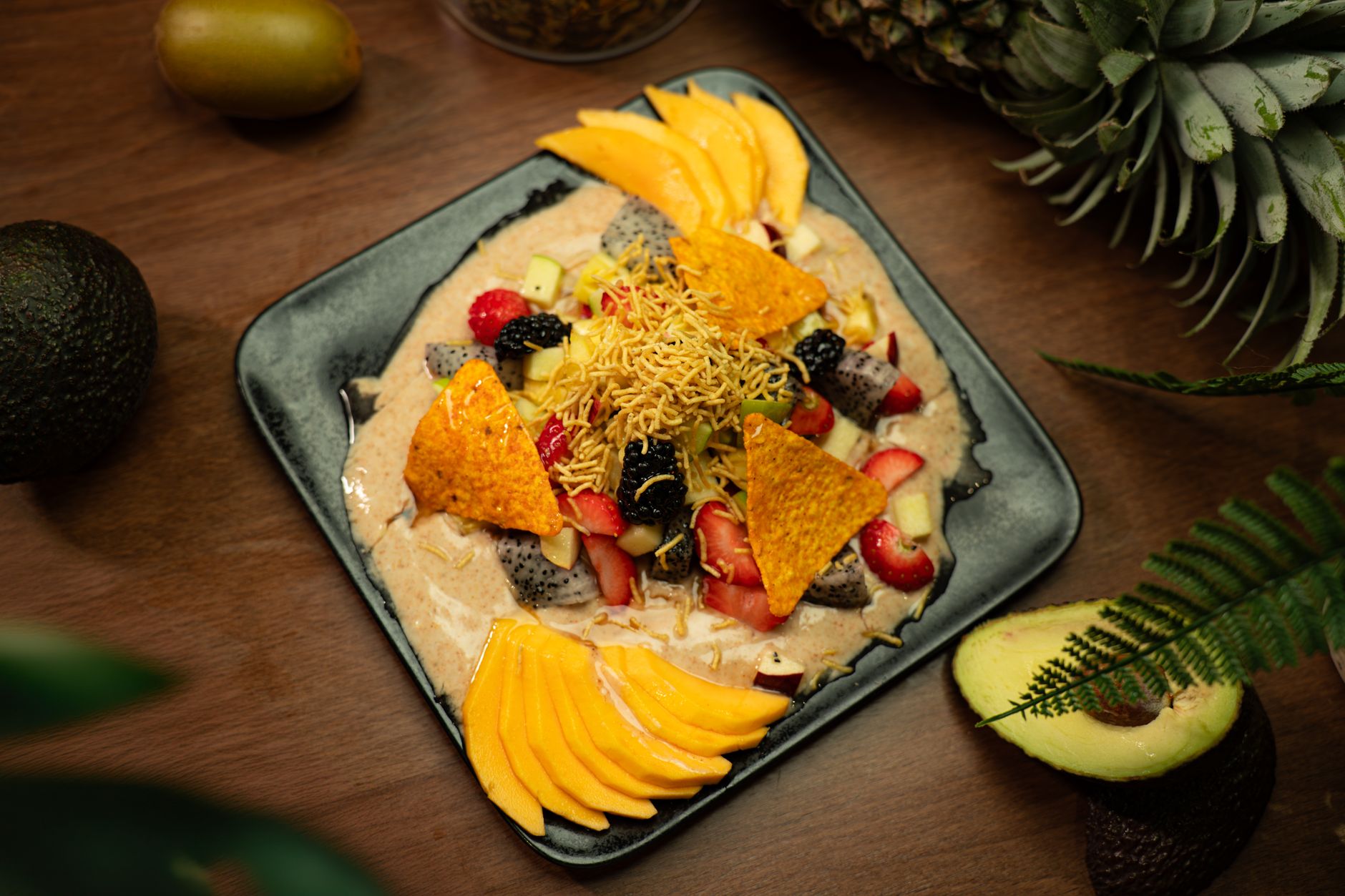
Whole fruits and vegetables provide essential vitamins, minerals and fiber while remaining naturally lower in calories. Fresh berries deliver antioxidants in convenient portions. Apples offer fiber and natural sweetness with portability. Nuts and dried fruit combinations provide energy for active pursuits. Raw vegetables with hummus or Greek yogurt dip create satisfying snack pairings. Vegetable chips made through baking rather than frying reduce fat intake while maintaining crunch appeal. Bananas deliver potassium and B vitamins supporting heart health and energy. Whole fruit snacking supports stable blood sugar compared to processed fruit products laden with added sugar. The fiber in whole fruits creates lasting fullness impossible to achieve with juices. Nature’s packaging, skins and seeds, contains concentrated nutrients and fiber. Discover fruit and vegetable-based options at catalinacrunch.
Timing Snacks for Optimal Results
When you snack matters as much as what you snack on. Eating a substantial snack 90 minutes before heavy exercise provides fuel while avoiding digestive discomfort. Mid-morning snacking prevents overeating at lunch, while afternoon snacks combat the post-lunch energy dip. Avoid snacking within two hours of bedtime, digestive activity and caffeine can disrupt sleep quality. Post-workout snacks combining protein and carbohydrates support muscle recovery and glycogen replenishment. Mindful snacking, sitting down, eating slowly, avoiding distractions, promotes satisfaction and prevents overconsumption. Keeping snacks portion-controlled prevents calorie excess; dividing family-size packages into individual portions eliminates temptation. Planning snacks ahead prevents reaching for convenient processed options when hunger strikes suddenly. Consistent snack timing helps regulate hunger hormones and prevents reactive overeating. Strategic snack timing transforms eating patterns from reactive to proactive.
Snacking Mindfully Building Lasting Habits

True snacking success requires addressing the psychological component of eating. Distinguishing physical hunger from emotional eating, stress, boredom, fatigue, prevents using snacks as a coping mechanism. Snacking while distracted by screens promotes overconsumption; dedicated snack time increases satisfaction. Portion control proves easier when snacks are pre-portioned rather than eaten directly from packages. Enjoying snacks slowly, chewing thoroughly, activates satiety signals and increases satisfaction. Keeping nutritious snacks visible and accessible while hiding processed options removes temptation. Understanding personal snack preferences prevents recommending perfect options nobody actually enjoys. Celebrating small wins rather than perfection builds sustainable habits. catalinacrunch supports habit-building through products that satisfy taste preferences while meeting nutritional goals.
- Pre-portion snacks into containers or bags to simplify grab-and-go options and prevent overeating from packages.
- Combine complementary nutrients, pairing protein and carbohydrates, adding healthy fats, for balanced nutrition.
- Read nutrition labels carefully, watching for hidden sugars and excessive sodium in seemingly healthy snacks.
- Stay hydrated; sometimes apparent hunger signals actually indicate thirst or dehydration.
- Rotate snack options to prevent boredom and ensure diverse nutrient intake across different foods.
Healthy snacking is not about deprivation or rigid rules, it is about making intentional choices aligned with your health goals. Invest in quality snacks, respect your hunger and fullness cues and build snacking patterns supporting both nutrition and satisfaction. Transform snacking from a guilty indulgence into a pillar of your health strategy.
