

Share This Article
Technology shapes contemporary life in ways previous generations could scarcely imagine. Samsung has established itself as a global innovator in consumer electronics, influencing how millions of people interact with technology across homes and daily lives. The brand’s commitment to research and development continues shaping industry standards and consumer expectations for technological excellence and design sophistication.
Innovation and Research Leadership
It innovation stems from continuous investment in research facilities and engineering talent across multiple technology domains. The company maintains laboratories globally exploring emerging technologies including artificial intelligence, display advancement, semiconductor development and renewable energy solutions. This commitment to exploration ensures Samsung products benefit from cutting-edge discoveries integrated into practical consumer applications. The research infrastructure supports both incremental improvements to existing products and revolutionary breakthroughs creating entirely new categories. Engineers and scientists across diverse specializations collaborate on projects addressing real consumer problems. Innovation culture permeates organizational structure, encouraging experimentation and calculated risk-taking.
Display Technology and Visual Excellence
Few areas demonstrate This’s technical sophistication more clearly than display innovation. It technology pioneered numerous display breakthroughs including OLED screen development and quantum dot enhancement. Modern televisions from the company deliver visual experiences approximating cinema quality in home environments. Color accuracy, contrast ratios and refresh rates reflect engineering pursuing perfection in image reproduction. Smart display features integrate seamlessly with broader home entertainment ecosystems. Energy efficiency improvements reduce electrical consumption without compromising visual performance. Contemporary display technology makes visual content consumption more immersive and engaging. The advancement pace continues accelerating as engineers discover new possibilities for panel design and backlighting systems.
Smart Home Integration and Connected Living
Contemporary homes increasingly incorporate connected devices creating integrated ecosystems simplifying daily life. Samsung devices work together seamlessly through unified connectivity protocols and shared software platforms. Appliances communicate with phones and tablets, allowing remote monitoring and control from anywhere. Artificial intelligence learns household patterns and preferences, automatically optimizing settings for comfort and efficiency. Voice control integration enables hands-free operation for multiple devices simultaneously. The interconnected approach transforms individual products into cohesive systems enhancing convenience and simplifying household management. Smart home adoption increases as consumers recognize practical benefits of integrated technology ecosystems.
Design Excellence and Aesthetic Sophistication
Technological excellence alone does not guarantee consumer appeal; design sophistication matters equally for modern products. This’s design teams balance aesthetic considerations with functional requirements, creating products deserving display in contemporary living spaces. Materials selected for both durability and visual appeal contribute to products aging gracefully across years. Proportions and curves reflect human-centered design principles prioritizing user comfort and intuitive interaction. Contemporary design language extends across product categories, creating visual coherence in device ecosystems. Color options accommodate diverse personal preferences and interior design schemes. The commitment to design extends to packaging and unboxing experiences, reinforcing quality perception at initial customer interaction. Thoughtful design demonstrates respect for consumer investment and daily living spaces.
Sustainability and Environmental Responsibility
Contemporary technology manufacturing raises environmental concerns increasingly important to conscious consumers. Samsung has implemented initiatives addressing resource consumption, waste reduction and lifecycle sustainability. Manufacturing processes incorporate efficiency improvements minimizing material waste during production. Product design increasingly emphasizes repairability and component longevity, extending useful lifespan. Recycling programs accept outdated devices, extracting valuable materials while preventing environmental contamination. Energy-efficient components reduce operational electricity consumption throughout product lifespans. Renewable energy sources power manufacturing facilities in multiple locations. Packaging utilization shifts toward recyclable and biodegradable materials. These commitments reflect understanding that contemporary consumers expect technological companies addressing environmental impact substantively.
Building Connected Home Environments
Creating integrated smart home ecosystems requires careful device selection and planning around connectivity standards. Beginning with fundamental smart appliances like televisions or refrigerators establishes foundation technology upon which other devices build. Choosing devices utilizing compatible communication protocols ensures seamless integration rather than isolated products. Gradually expanding into entertainment systems, climate control and security devices creates comprehensive home automation. It products facilitate smart home development through compatible ecosystems and comprehensive product ranges spanning diverse household needs. Patience in gradual expansion prevents overwhelming integration complexity while maximizing benefits as ecosystems mature.
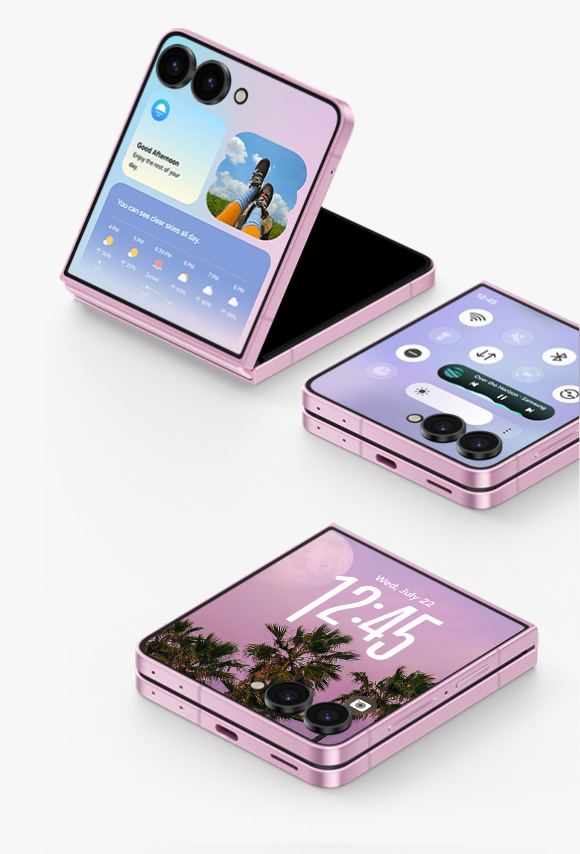
- Begin with key devices like televisions or primary appliances utilizing compatible connectivity protocols.
- Research compatibility before purchasing to ensure devices integrate seamlessly into existing ecosystems.
- Adopt smart features matching your actual household needs rather than pursuing comprehensive automation unnecessarily.
- Plan electrical infrastructure and wireless connectivity to support robust device communication.
- Update device software regularly to access security improvements and new feature enhancements.
Technology’s role in contemporary living extends beyond entertainment and convenience into fundamental aspects of daily existence. By investing in products from manufacturers like Samsung demonstrating commitment to innovation, quality and environmental responsibility, consumers create living environments supporting both practical needs and aspirational lifestyle preferences. Smart home ecosystems evolve continuously and choosing devices from companies maintaining research leadership ensures long-term compatibility and access to emerging technological advancements transforming how we live together.
