
Share This Article
Finding the right running shoes can transform your training experience from uncomfortable to exhilarating. Whether you’re preparing for your first 5K or logging miles as a seasoned marathoner, the footwear you choose directly impacts performance, injury prevention and overall satisfaction. ASICS running shoes have earned reputations as trusted options in the industry, combining advanced cushioning technology with thoughtful design that caters to diverse running styles and biomechanics.
Why Quality Brands Stand Out
Established footwear companies bring decades of research and development into every shoe they produce. Their commitment to understanding foot mechanics and runner needs shows in diverse lineups that address everything from neutral pronation to severe overpronation. This focus on biomechanical research means shoes are engineered, not just designed, to perform. ASICS running shoes exemplify this approach, with the brand investing heavily in testing prototypes with real runners across various distances and conditions. This scientific approach ensures that when you purchase quality running footwear, you’re getting products informed by cutting-edge biomechanical science and real-world validation.
Technology That Matters
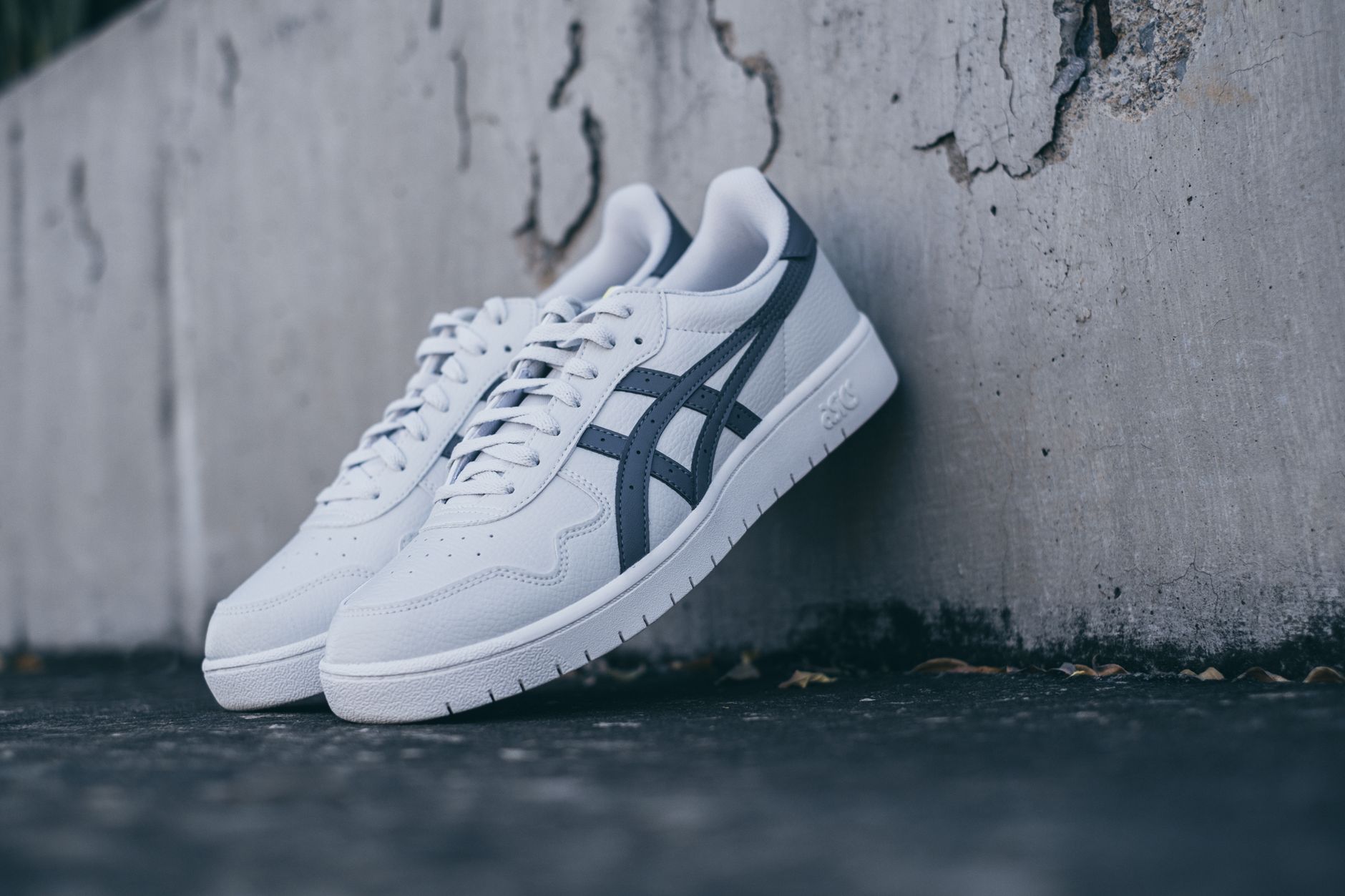
Each premium running model incorporates specific technologies tailored to different running needs and preferences. Advanced gel cushioning systems remain among the most effective shock-absorption solutions available, providing responsive comfort mile after mile. Lightweight foam technologies deliver energy return, helping runners feel fresher during and after workouts. Specialized support systems help control overpronation naturally, reducing stress on joints and muscles. Weight-reduction technologies minimize midsole heaviness while maintaining structural integrity. ASICS running shoes consistently deliver excellence in these foundational technologies through rigorous development cycles. These aren’t just marketing terms; they’re the result of rigorous testing and continuous refinement. ASICS When runners choose premium footwear, they’re accessing technologies refined through millions of miles of real-world testing.
Finding Your Perfect Fit
The diversity of premium offerings means there’s likely a model suited to your specific needs. Neutral runners benefit from models emphasizing cushioning and responsiveness, while stability seekers find options with medial support and motion-control features. Distance runners appreciate lightweight racing flats designed for speed, while trail enthusiasts discover shoes engineered for technical terrain. Top brands offer models for various surfaces track, road, trail and synthetic surfaces. Options range from basic trainers to high-performance racing shoes. Beginners often gravitate toward stability and comfort-focused models, while elite runners frequently choose lighter, more responsive options for training and racing. Understanding your pronation pattern and running goals helps narrow the selection considerably.
Durability and Value
Quality running shoes tend to deliver exceptional longevity compared to similarly priced alternatives. Most runners get 300-500 miles from a pair before midsole cushioning begins to break down, which is competitive with top-tier offerings. The durable outsole rubber resists excessive wear even on rough pavement and the upper construction maintains integrity through extended use. This durability means the cost per mile is often lower than cheaper shoes that wear out faster. ASICS Investing in quality running footwear means fewer replacements over time and better protection for your joints and muscles during training.
Building Your Running Shoe Collection
Many serious runners maintain multiple pairs, rotating shoes to extend longevity and reduce repetitive stress injuries. Having both a cushioned trainer for easy runs and a lighter shoe for speed work provides flexibility and helps prevent injury patterns. Dedicated track shoes, trail runners and road racers each serve specific purposes. Rotating shoes also allows midsole foam to recover between runs, maintaining cushioning performance. Starting with one reliable, versatile model and building from there as your running mileage increases is a smart approach. The variety available from established brands supports this strategy well. ASICS
Making the Right Purchase

Before buying any running shoes, consider your pronation pattern if possible. Many specialty running stores offer gait analysis, which provides valuable insight into your biomechanics. Online tools can also help identify your pronation pattern. Read reviews from runners with similar needs and pay attention to sizing notes since running shoe sizing sometimes differs from casual shoe sizing. Consider the conditions where you’ll primarily run pavement, track or trail all influence which shoe suits you best. Take time trying on options in-store when possible, as fit varies significantly between models even from the same manufacturer. ASICS Proper fitting from quality suppliers ensures comfort and reduces injury risk substantially.
- Start by identifying your pronation pattern through gait analysis or self-assessment methods.
- Research models designed for your specific running needs and conditions.
- Try shoes on later in the day when feet are slightly larger and more swollen.
- Plan to rotate multiple pairs to extend longevity and reduce repetitive stress.
- Replace shoes every 300-500 miles or when you notice reduced cushioning and support.
Selecting the right running shoes remains one of the most important decisions any runner makes. Quality footwear enhances performance, prevents injuries and makes miles feel more enjoyable. Choosing established brands with proven technology and real-world testing gives you confidence that your investment will deliver the support and comfort your feet deserve during training and racing.
