
Share This Article
Long-time shoppers of Misfits Market often notice that not everything in a weekly delivery comes from the same place. Some items look slightly odd, others are rare varieties grown by small farms, and others carry a house label entirely. Understanding Misfits Market sourcing tiers helps explain why a box might hold a dented squash next to a packaged snack from an independent maker. Breaking down those distinctions makes weekly box planning easier and clearer.
Understanding Rescued Produce: What ‘Funny-Looking’ Actually Means
Misfits Market built its name on rescuing food that traditional grocery stores reject for reasons that have nothing to do with taste. According to the brand’s own description, early-season artichokes are often considered too large for standard store shelves, so they get pulled aside for rescue instead. The same logic applies to produce that is misshapen, oversized, undersized, or simply surplus from a harvest that outpaced demand.
This is not a separate line of damaged goods. It is a sourcing category built around perfectly edible food that would otherwise face waste or a lesser outcome. Misfits Market states that the majority of its fresh produce is certified organic and non-GMO, though it occasionally rescues responsibly grown conventional produce rather than let it go to waste. When that happens, organic status is always clearly marked on the site, so shoppers can tell the difference at a glance.
Heirloom and Lesser-Known Varieties from Small Farms
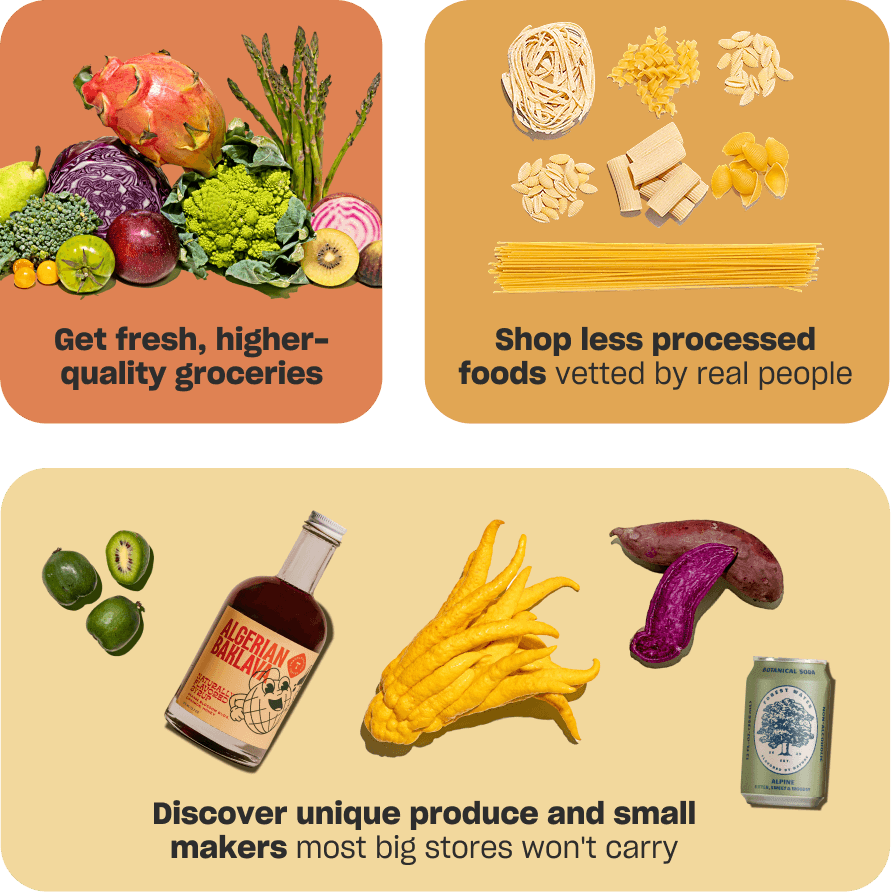
A separate sourcing channel runs through small farms that grow heirloom produce and lesser-known varieties most supermarkets never carry. These are not rescued items in the waste-prevention sense. Instead, they represent produce that simply never had a path into conventional retail because of limited volume or unfamiliar appearance to mainstream buyers.
This distinction matters for anyone trying to parse It sourcing tiers with any precision. Rescued food exists because a retailer rejected it; heirloom and small-farm produce exists because it was never grown for that retail system in the first place. Both channels support smaller growers, but the reasoning behind each is different, and the weekly selection reflects that mix of rescued staples and specialty finds.
The Odds & Ends Brand: Misfits Market’s House Line

Within the broader assortment sits a category the brand groups under Rescued & Upcycled, which includes house-branded items made from ingredients that would not otherwise reach a shelf. One cited example is upcycled fruit snacks, made using dried fruit strips that would have gone unused. This reflects a tier built on close oversight, since the inputs themselves come directly from the rescue side of operations.
These products differ from Misfits Market sourcing tiers tied to outside farms or third-party brands because the ingredients originate inside the company’s own waste-reduction efforts. Grocery delivery platforms rarely disclose this kind of ingredient sourcing, which makes the distinction worth noting for shoppers comparing categories within a single order.
Independent Brands and Emerging Producers in the Range
Beyond rescued produce and house products, Misfits Market stocks items from independent brands and emerging producers. The company describes these as innovative, trendy products with fresh ideas and big flavor, covering everything from pantry staples to snacks and beverages. This channel exists because smaller makers are often shut out of traditional retail when they cannot pay for shelf space, a gap the platform says it tries to close.
The product categories span fresh produce, meat and seafood, dairy and eggs, pantry staples, snacks, beverages, plant-based items, household essentials, bread and baked goods, health and beauty, meals and sides, gluten-free options, pet products, and wine. That breadth means the independent-brand tier touches nearly every aisle a shopper might browse, not just rescued fruits and vegetables.
How Sourcing Tier Affects Box Curation and Availability
Because the assortment updates every week, which items appear from each sourcing channel can shift from one shopping window to the next. After signup, shoppers receive a weekly shopping window lasting three to six days, during which the storefront can be customized freely. A cart starts with a personalized selection, but items can be removed or swapped from the full catalog before the window closes.
Availability within Misfits Market sourcing tiers often depends on seasonal supply, particularly for rescued produce, since what gets pulled aside for rescue changes with harvest conditions. Heirloom varieties from small farms may appear only briefly if a grower’s crop is limited. Independent brand items and the Odds & Ends line tend to be more consistent week to week, since they are not tied to a single harvest cycle in the same way.
- Rescued produce enters weekly offerings when farms or packers flag food that is misshapen, oversized, undersized, or surplus.
- Heirloom and lesser-known varieties come through direct small-farm partnerships rather than through any waste-prevention process.
- The Odds & Ends brand line channels upcycled ingredients, like repurposed dried fruit strips, into finished packaged snacks.
- Independent brands and emerging producers supply trend-driven items across snacks, beverages, pantry staples, and more.
- All four channels get folded into the same weekly storefront, refreshed on a weekly cycle rather than a fixed catalog.
Taken together, these channels show that a single delivery from Misfits Market can combine food saved from waste, produce grown by farms with limited retail access, house-made snacks built on upcycled ingredients, and products from small independent makers. Recognizing which tier a given item belongs to offers a clearer picture of why the weekly selection looks the way it does.
