
Share This Article
Choosing between removable and traditional wallpaper often comes down to one question: is the room a rental, a nursery that will outgrow its theme, or a dining room meant to stay put for years? The removable vs traditional wallpaper decision shapes everything from installation time to how a pattern reads on the wall. Wallshoppe carries both formats across its catalog, so the comparison is less about which is better and more about which fits a given space and a given commitment level.
Removable Peel-and-Stick Wallpaper: Wallshoppe’s Temporary Design Solution
Wallshoppe’s removable line is built as peel-and-stick panels rather than pasted rolls, which means no wet paste, no steam table, and no professional installer required. This format sits under its own dedicated category on the site, separate from traditional rolls, grasscloth, murals, and metallics. Because the panels lift off cleanly, the removable range suits anyone who wants to change a wall covering without altering the surface underneath, which is one of the clearer advantages in any removable vs traditional wallpaper comparison.
Traditional Wallpaper Rolls: Permanent Installation in Wallshoppe’s Core Collection
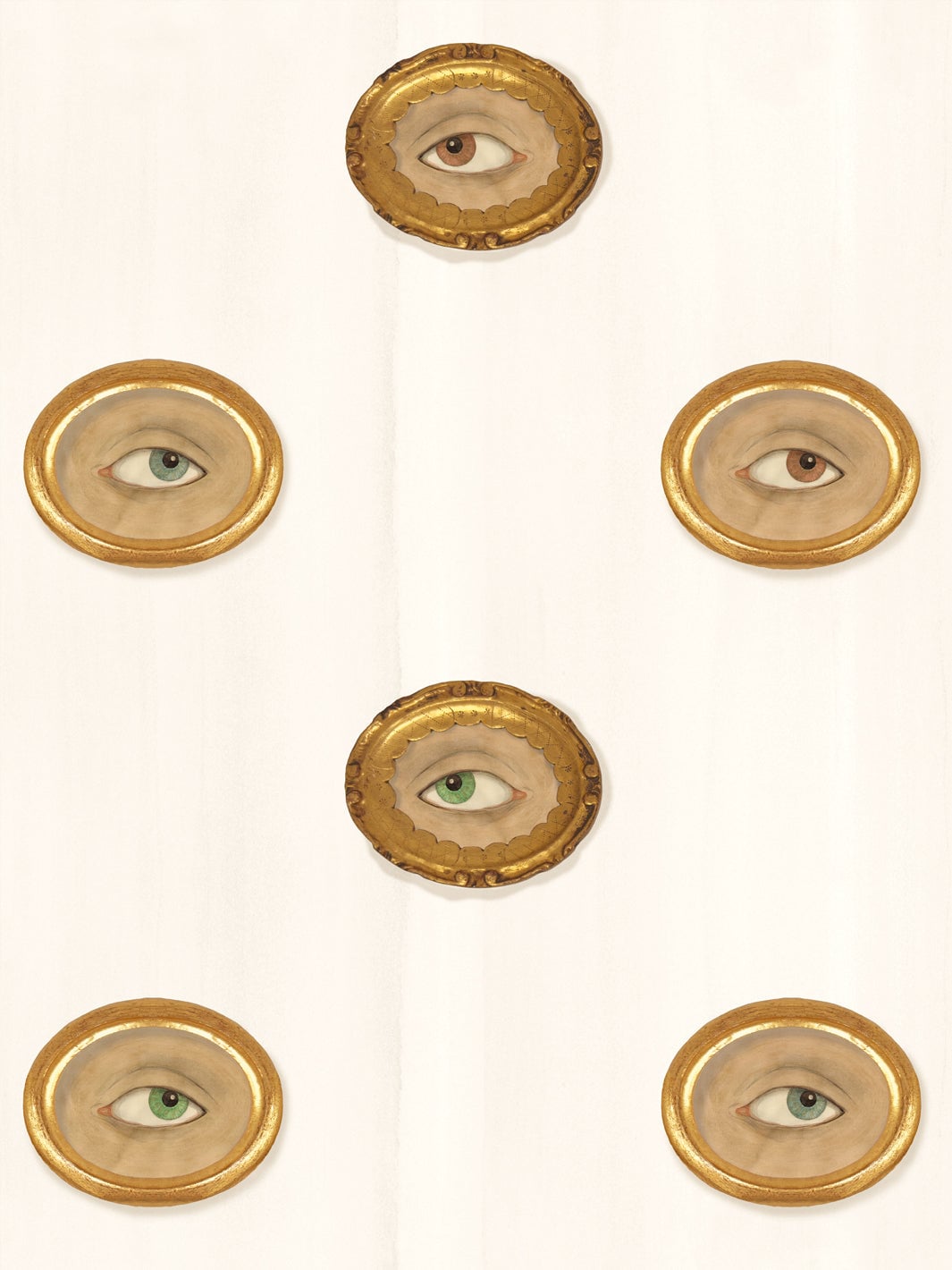
Traditional rolls form the other half of Wallshoppe‘s structure and sit at the center of what the brand calls its Core collection. These rolls are digitally printed on 100% nontoxic eco-friendly paper with a bright, smooth matte finish that also resists scratches. Traditional wallpaper is made to order and sustainably produced in Los Angeles, which ties the permanent format to the same production base as the rest of the catalog. Because traditional rolls are pasted directly to the wall, they tend to suit spaces where a design is meant to stay for a long stretch rather than rotate seasonally.
Material and Finish Differences Between Removable and Traditional Options

The finish described for traditional rolls, a scratch-resistant matte paper, points to a surface built for walls that see regular contact, such as hallways or stair landings. Removable panels are designed around the peel-and-stick mechanism itself, prioritizing a clean release over the wall rather than long-term surface durability claims. That distinction is central to any removable vs traditional wallpaper comparison, since the two formats are engineered around different goals: ease of change versus a fixed, pasted finish. Neither format is described as better across the board; the facts simply point to different intended uses.
Designer Collaborations: How Mary Maguire, Nathan Turner, and Sarah Jessica Parker Design Across Both Formats
Wallshoppe‘s designer roster spans several names, including Mary Maguire, Nathan Turner, Sarah Jessica Parker, Chris Benz, Clare V., and Barbie™, among others listed under its Designer navigation. Mary Maguire’s hand-painted wildlife and botanical work, created in a Connecticut studio, appears in patterns such as ‘Lover’s Eye’ and ‘Allover Palm.’ Nathan Turner’s ‘Orange Crush’ and ‘Pacifico Palm’ prints are both digitally printed on the same nontoxic eco-friendly paper used across the traditional line. Sarah Jessica Parker’s collection, developed with her and Wallshoppe co-creative director Eric Hughes, includes patterns like ‘Townhouse’ in colorways such as Peacock, showing that a single designer’s work can appear across different wallpaper formats rather than being locked into one.
Grasscloth and Natural Textures: Wallshoppe’s Premium Material Range
Beyond the removable and traditional paper lines, Wallshoppe also carries a grasscloth and burlap range, organized into Solid Grasscloth, Patterned Grasscloth, Solid Burlap, and Patterned Burlap types. These natural-texture options appear under designers including Nathan Turner, Flint Wood & Hicks, Clare V., Sugar Paper, Carly Beck, and the brand’s own Foundation line. Grasscloth is filed separately from both the removable and traditional categories in the site’s navigation, which suggests it functions as its own material family rather than a variation on peel-and-stick or paste-the-wall paper. For anyone comparing textures rather than just installation method, grasscloth sits alongside fabric options like linen, flax linen, California cotton, raw canvas, organic twill, and hopsack, which are sold separately as fabric by the yard.
Room-by-Room Application: Where Removable and Traditional Wallpaper Work Best
Wallshoppe organizes its catalog by room as well as by type, with categories for bathroom, kitchen, living room, bedroom, dining room, nursery, and kids’ room. This room-based navigation runs across both the removable and traditional sections, so the same space can be shopped in either format depending on how long the design is meant to last. A nursery or kids’ room, for instance, is the kind of space where patterns change as a child grows, while a dining room or entry hall is more often treated as a longer-term design decision. The structure itself does not dictate which format belongs where, but it does make it straightforward to browse by room first and decide on permanence second.
- Removable panels peel on and off without paste, which suits walls that may need to change again.
- Traditional rolls are made to order on scratch-resistant matte paper and are sustainably produced in Los Angeles.
- Grasscloth and burlap are organized as a separate material category, distinct from both removable and traditional paper.
- Designer patterns such as those by Mary Maguire, Nathan Turner, and Sarah Jessica Parker appear across multiple formats rather than one fixed line.
- Both removable and traditional options are filterable by room, including bathroom, kitchen, bedroom, nursery, and dining room.
Looking at removable vs traditional wallpaper side by side, the real distinction is less about which looks better and more about how long a wall is expected to wear the same pattern. Wallshoppe‘s structure, spanning removable panels, traditional rolls, grasscloth, and designer collaborations, gives that decision a wide set of starting points rather than a single default answer.
