
Share This Article
Digital photography dominates modern visual communication, offering unlimited storage and instant sharing across global networks. Yet despite technological abundance, people increasingly crave something fundamentally different—physical photographs they can hold, share directly, and treasure indefinitely. This resurgence of instant photography reflects deeper human need for tactile memories resistant to technological obsolescence. Unlike digital files vulnerable to platform collapse, deleted accounts, and device failure, instant photographs create permanent physical artifacts lasting generations. Beyond practical permanence, instant photography transforms how people interact with images, memory-making, and connection. Rather than endlessly scrolling through thousands of digital photographs, instant cameras enforce intentionality—each photograph costs money, requires moment commitment, and produces singular irreplaceable print. Instant cameras like Polaroid enable reclaiming memory-making practices creating more meaningful engagement with moments actually worth preserving. Understanding instant photography as deliberate alternative to digital abundance reveals why people hunger for physical images, tangible memories, and the intentionality instant cameras enforce on memory creation.
The Psychology of Physical Photographs and Memory Permanence
Humans evolved creating memories through physical and sensory engagement. Before digital storage, people carried photographs in wallets, displayed them on walls, arranged them in albums requiring deliberate curation. These practices created emotional investment—selecting which photographs to print required choosing what truly mattered. Displaying photographs in homes created daily reminders of people and moments you treasured. Creating albums involved social ritual—families gathering to arrange and discuss photographs, reinforcing shared memories through collective engagement.
Digital photography eliminated most of these rituals. Cameras proliferate to thousands of photos, creating decision paralysis about which deserve preservation. Digital photos exist nowhere physically—they live in cloud storage, phone galleries, and computer files vulnerable to accidental deletion and technological obsolescence. Most digital photos get viewed once, scrolled past forgotten, lost in infinite streams. This abundance paradoxically reduces memory quality—endless mediocre digital photographs cannot compete emotionally with curated collections of cherished physical prints.
Psychological research confirms that physical photographs create stronger emotional engagement and memory formation than digital images. The act of holding a photograph, showing it to others physically, arranging it in a collection creates multisensory engagement strengthening memory encoding. Digital photos viewed on screens engage only vision and require deliberate scrolling through countless images to find meaningful ones. This engagement difference means physical photographs create memories that stick; digital photos remain ephemeral experiences forgotten immediately after viewing.
Intentionality and Deliberation in Instant Photography
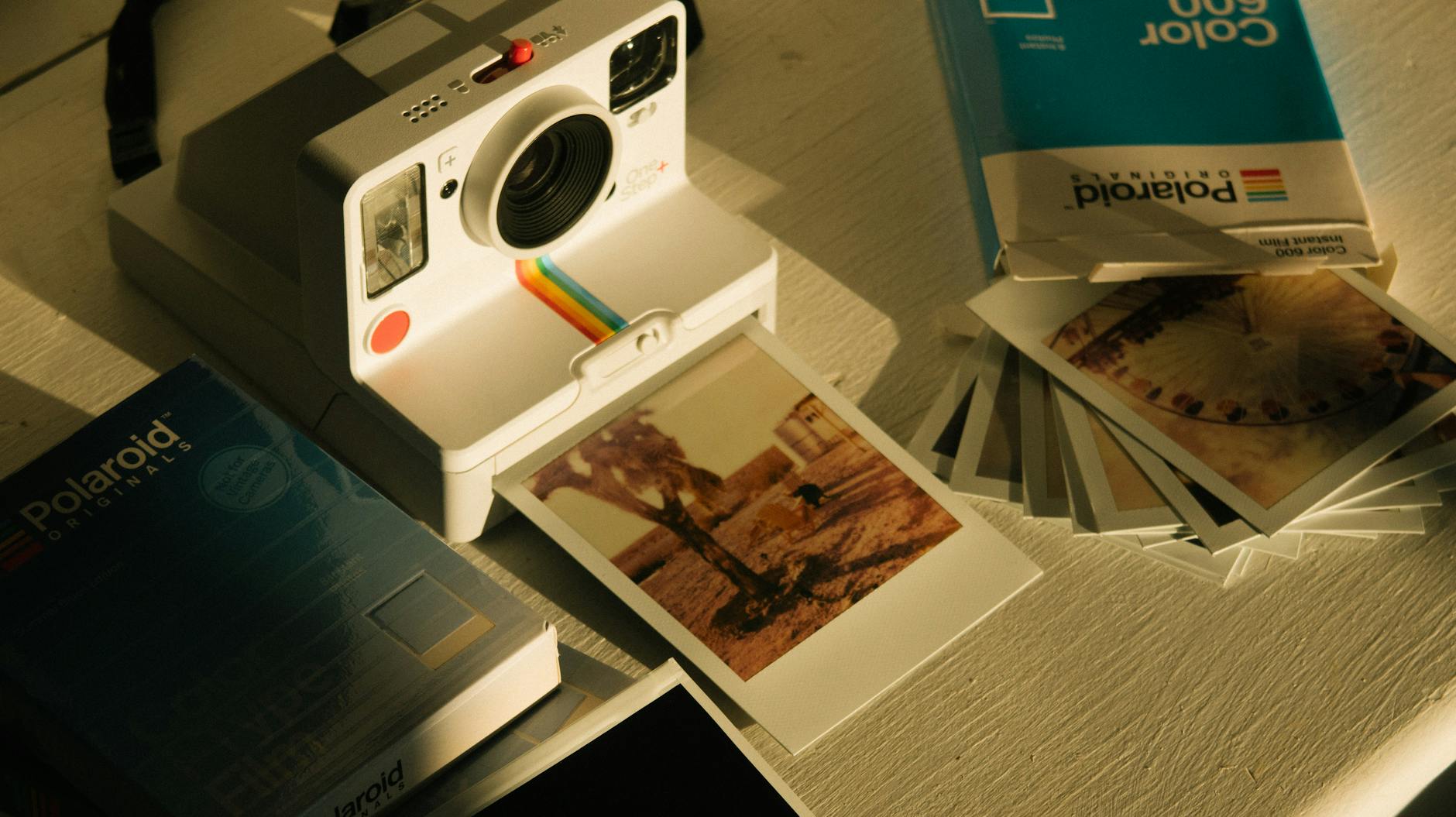
Instant cameras enforce constraint creating powerful discipline. Digital cameras enable unlimited shooting—photographers snap hundreds of photos hoping some prove good. Instant cameras require choosing moments deliberately because each print costs money and cannot be deleted. This constraint transforms photography from casual documentation into mindful practice. Rather than shooting broadly hoping for lucky shots, instant photographers consider each photograph carefully, frame deliberately, and commit fully to moment before pressing shutter. The knowledge that wasted film costs money creates psychological investment transforming casual snapshot into intentional composition.
This constraint paradoxically improves photograph quality. Forced deliberation creates better composition, better timing, better emotional capture than casual digital shooting. Instant photography reconnects photographers with qualities defining photography before digital abundance—consideration, intention, and commitment to specific moments. Beyond technical improvement, intentional shooting creates psychological satisfaction absent from digital photography. Creating something deliberately creates ownership and meaning; casually snapping hoping for success creates emptiness.
The Analog Aesthetic and Nostalgia for Film Character
Instant photographs possess distinctive visual character—unique color palette, slight unpredictability, physical texture—creating aesthetic completely different from digital photography. Film photography emphasizes limitations as strengths—narrow dynamic range, specific color rendering, occasional light leaks—creating images with genuine character. Digital photographs attempt perfect exposure, infinite detail, and surgical color accuracy, creating images technically correct yet somehow soulless.
This aesthetic preference reflects deeper psychology. Humans appreciate imperfection and authentic character over clinical perfection. A portrait with genuine emotion and imperfect exposure communicates far more than a technically perfect but soulless image. The limitations of instant film force photographers toward what actually matters—capturing genuine moments and emotional truths rather than technical perfection. Instant camera aesthetics create images with character and authenticity absent from digital photography, explaining why film photography experiences resurgence despite digital technical superiority.
Creating Shared Moments and Social Connection Through Physical Prints

Digital photographs enable infinite sharing through social media, yet paradoxically create less genuine social connection. Scrolling through hundreds of photos people posted online creates passive consumption without meaningful engagement. Sharing photos physically transforms interaction—showing someone a photograph directly creates conversation, shared moment of connection, and authentic response. Creating physical photographs for people transforms sharing from broadcast announcement into personal gift.
Instant cameras excel at creating shared moments because photographs print immediately, enabling direct sharing. Party attendees hold prints they created together, creating shared memory of moment. Travelers exchange instant photographs creating tangible souvenirs of connection. Family gatherings involve passing prints around, discussing captured moments, and creating shared emotional engagement. Instant photography restores social rituals around photographs, transforming them from isolated digital files into shared cultural touchstones creating genuine connection.
Resisting Digital Obsolescence Through Tangible Media
Digital photographs face existential fragility. Cloud services go offline. Device manufacturers discontinue platforms. File formats become obsolete. Hard drives fail. Accounts get deleted. A photograph stored digitally could disappear completely, leaving no trace it ever existed. In contrast, physical instant photographs resist technological obsolescence—they require only light to view, no technology, no subscriptions, no company survival. A photograph from fifty years ago remains viewable today identically to how it appeared creation day. Digital photographs from twenty years ago often cannot be viewed because devices, software, and file formats have become obsolete.
This permanence reflects human need for genuine permanence in chaotic world. Creating photographs as permanent physical artifacts provides security that digital storage cannot match. Knowing your memories exist physically, independent of technology, creates psychological comfort absent from digital dependency. Passing instant photographs to future generations remains simple—physical objects naturally transfer across generations. Passing digital photographs requires ensuring files transfer between devices, maintain compatibility, and survive platform collapse—increasingly untenable task.
Building Intentional Memory Practices for Modern Life
- Physical instant photographs create stronger emotional engagement and memory formation than digital images.
- Intentional constraint of instant photography improves composition through forced deliberation about moments worth capturing.
- Instant film aesthetic creates character and authentic feeling absent from technically perfect digital photography.
- Physical photograph sharing creates genuine social connection and memorable interactions impossible through digital sharing.
- Instant photographs remain permanent through technological obsolescence unlike fragile digital storage dependent on company survival.
- Creating and sharing instant photographs transforms memory-making from passive documentation into deliberate meaningful practice.
Instant photography enables reclaiming memory-making practices emphasizing what actually matters—genuine moments, meaningful connections, and permanent artifacts worth treasuring. In world of digital abundance, instant cameras offer deliberate alternative creating more meaningful engagement with photography. Rather than endless digital documentation, instant cameras force choosing what truly matters. Rather than ephemeral cloud storage, instant photographs create permanent memories. Rather than passive scrolling, instant cameras enable genuine connection and shared moments. Your memories deserve more than digital files disappearing in endless streams. Instant photography reconnects you with intentionality, permanence, and meaning making memory creation genuinely worthwhile.