
Share This Article
Stress responses and poor sleep often trace back to an overstimulated nervous system that struggles to downshift on its own. Vagus nerve stimulation has become one of the more discussed non-medication approaches for addressing this, and Pulsetto has built a line of wearable devices around the idea of making that stimulation accessible at home. This article looks at how the technology is positioned, what the product range includes, and what the brand states about evidence and ongoing use.
The Nervous System’s Role in Stress and Sleep
The vagus nerve runs from the brainstem through the neck and into the chest and abdomen, forming a key communication channel between the brain and the body’s internal organs. It is the main pathway of the parasympathetic nervous system, the branch responsible for slowing heart rate, calming digestion, and helping the body shift out of a stressed state. When this system is engaged, physical markers associated with stress tend to settle, which is why interest in external stimulation methods has grown over recent years.
Research into the vagus nerve has expanded, and understanding of how it can be influenced without surgery has matured alongside it. Pulsetto frames its approach around this research, stating that it is possible to work with the nervous system rather than feeling at its mercy when it reacts to pressure. The brand’s device is designed to be used in a seated, eyes-closed position, with a session lasting under 10 minutes according to the product description.
Pulsetto Device and Pulsetto FIT: Core Stimulation Options
Pulsetto‘s current range centers on two hardware options, the Pulsetto vagus nerve stimulation device and the It FIT. Both are listed on the brand’s site at 242.00 and 269.00 respectively, and both are described in identical terms, helping the wearer relax in under 10 minutes while seated with eyes closed. The two devices share the same stimulation purpose, with the FIT positioned as a variant within the same product family rather than a separate system.
Beyond those two devices, the catalogue also lists a Pulsetto Lite, along with cleaning wipes and dedicated travel cases built for both the FIT and the Lite, which together point to a product family organized around portability and routine upkeep rather than a single standalone gadget. The presence of a distinct Lite model, separate from the FIT, also indicates that the hardware lineup itself has more than two entries once accessories are counted alongside the devices.
The Role of Conductive Gel in Consistent Pulsetto Sessions
Wearable stimulation devices that contact the skin typically depend on a conductive medium to maintain a reliable connection, and Pulsetto addresses this with its own Gel Box, priced at 29.00. The brand’s product listing states that the gel box keeps setup simple and helps maintain use over time, describing consistent sessions as the basis for ongoing progress with the device.
Because the Gel Box is sold as a separate, repeat-purchase item rather than a one-time inclusion, it points to vagus nerve stimulation being treated as a practice built on recurring sessions rather than a single use. This also means the accessory lineup, not just the hardware, plays a functional role in whether a session can be carried out at all.
Clinical Evidence and Safety Standards Behind Pulsetto

On its certification claims, Pulsetto lists FCC certification, CE certification, and describes its device as clinically proven, alongside a 2-year warranty and recyclable materials. The brand also offers an Extended Warranty add-on priced at 29.00, which extends coverage by 3 more years, bringing total protection to 5 years according to the listing. A 30-day money-back period is also stated as part of the standard purchase terms.
Scale figures published by the brand state over 330,000 customer purchases and more than 20,000,000 stimulations worldwide, alongside a 4.4/5 rating drawn from more than 20,137 customers on one of its product pages. These figures are presented as evidence of adoption rather than as independent clinical trial results, and they sit alongside the certifications rather than replacing them.
- Sessions with the Pulsetto vagus nerve stimulation device are described as taking under 10 minutes while seated with eyes closed.
- The stimulation method is non-invasive, worn externally rather than requiring any surgical procedure.
- The device range carries FCC and CE certification alongside a 2-year standard warranty.
- Two core hardware options, the Pulsetto Device and the Pulsetto FIT, are available at 242.00 and 269.00 respectively.
- An Extended Warranty add-on at 29.00 brings total coverage up to 5 years.
Building a Routine: From Single Sessions to Long-Term Practice
A single stimulation session can address an isolated moment of stress, but the gel box messaging points toward consistency as the stated basis for progress. This framing treats vagus nerve stimulation less like a one-time fix and more like a recurring habit that depends on having working accessories on hand, specifically a working gel supply and a charged, accessible device.
Fitting a short daily or near-daily session into an existing routine does not require reorganizing a day the way a longer wellness practice might, given the sub-10-minute session length advertised for the device. That brevity is part of what is leaned on when positioning frequent vagus nerve stimulation as a realistic addition to an already busy schedule, rather than a separate block of time to carve out.
Subscription and Accessory Support for Ongoing Use
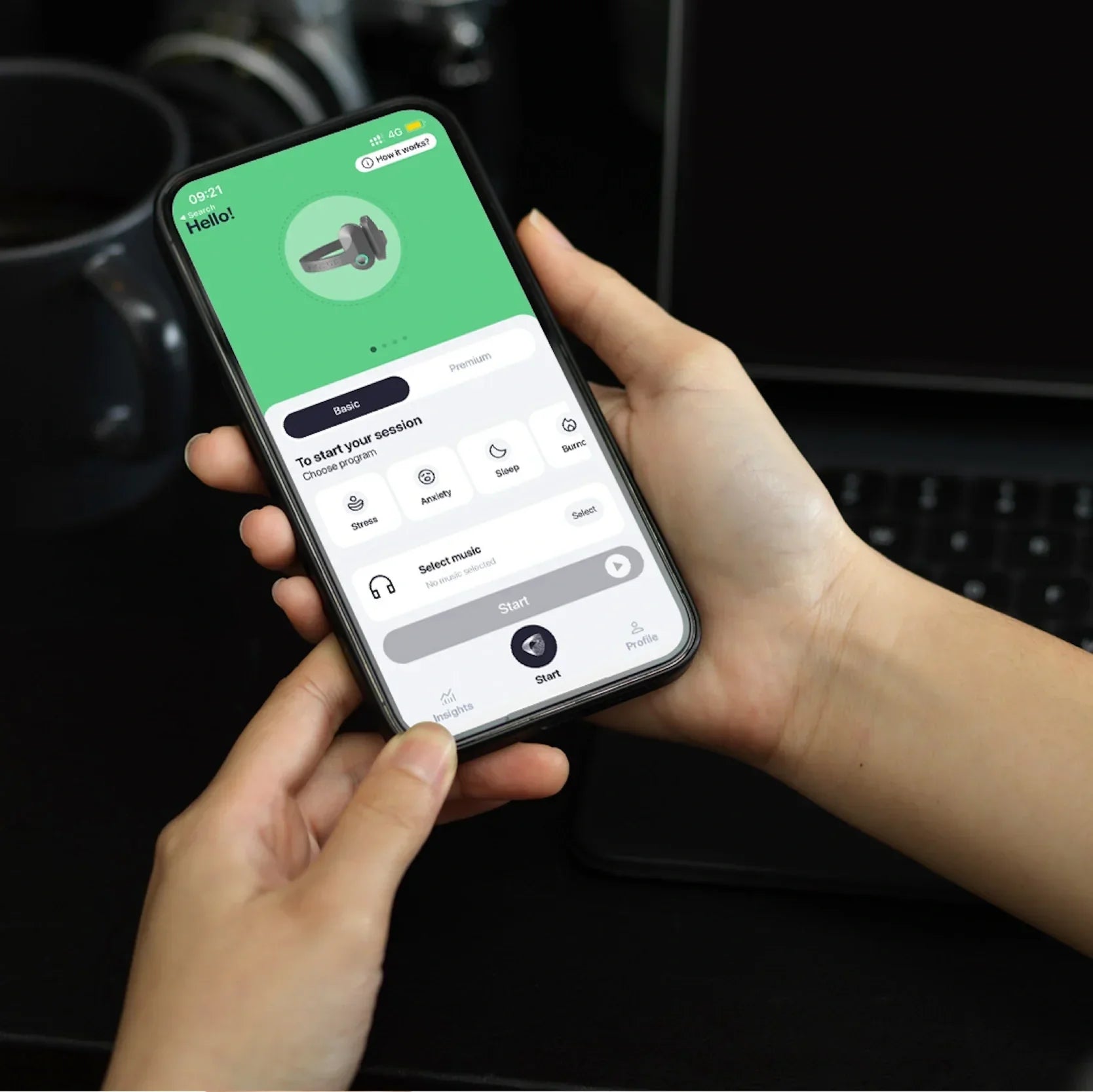
Beyond the physical hardware, Pulsetto sells an App Premium subscription, listed in both a 12-month option and a 24-month option priced at 125.00. This subscription sits alongside the device rather than being required to operate it, based on how it is listed as a separate line item in the product catalogue.
Combined with the Gel Box and the Extended Warranty option, the accessories and the subscription form a support structure around the core devices that extends well past the initial purchase. The catalogue treats maintenance items, coverage extensions, and the app subscription as distinct purchase decisions rather than bundling them automatically with a device order.
Taken together, the device lineup, the gel-based consumables, and the warranty and subscription options describe a catalogue built around repeated, short sessions of vagus nerve stimulation rather than a single transaction. Whatever direction research on vagal tone takes next, the structure already in place favours sustaining the habit over simply selling the hardware that starts it.
