
Share This Article
The modern creative industry demands tools that combine powerful functionality with intuitive interfaces capable of handling complex projects across multiple disciplines and workflow styles. Whether you’re working in architecture, product design, digital media or engineering, professional design software solutions have become indispensable for translating ideas into polished deliverables that meet industry standards and exceed client expectations consistently. Solutions like Autodesk offer comprehensive platforms that address the diverse needs of design professionals, from concept development through final production and ongoing maintenance and support. The investment in professional-grade design software pays dividends through improved efficiency, higher quality output and greater creative possibilities that distinguish award-winning work.
The Evolution of Professional Design Tools
Professional design software has evolved dramatically over the past two decades, transforming from specialized, expensive tools available only to large studios into accessible platforms that empower freelancers, small teams and multinational enterprises worldwide. Cloud integration, collaborative workflows and AI-assisted features have revolutionized how designers work together and produce results across geographical boundaries and time zones. Autodesk platforms have led this transformation, continuously adding features that respond to real-world design challenges and workflow requirements that professionals face daily in their practice. The shift toward integrated solutions means designers can now work seamlessly across multiple disciplines without juggling incompatible file formats or learning completely new interfaces for each specialized task, dramatically reducing training time and improving productivity across entire studios.
Core Features of Enterprise-Grade Design Platforms
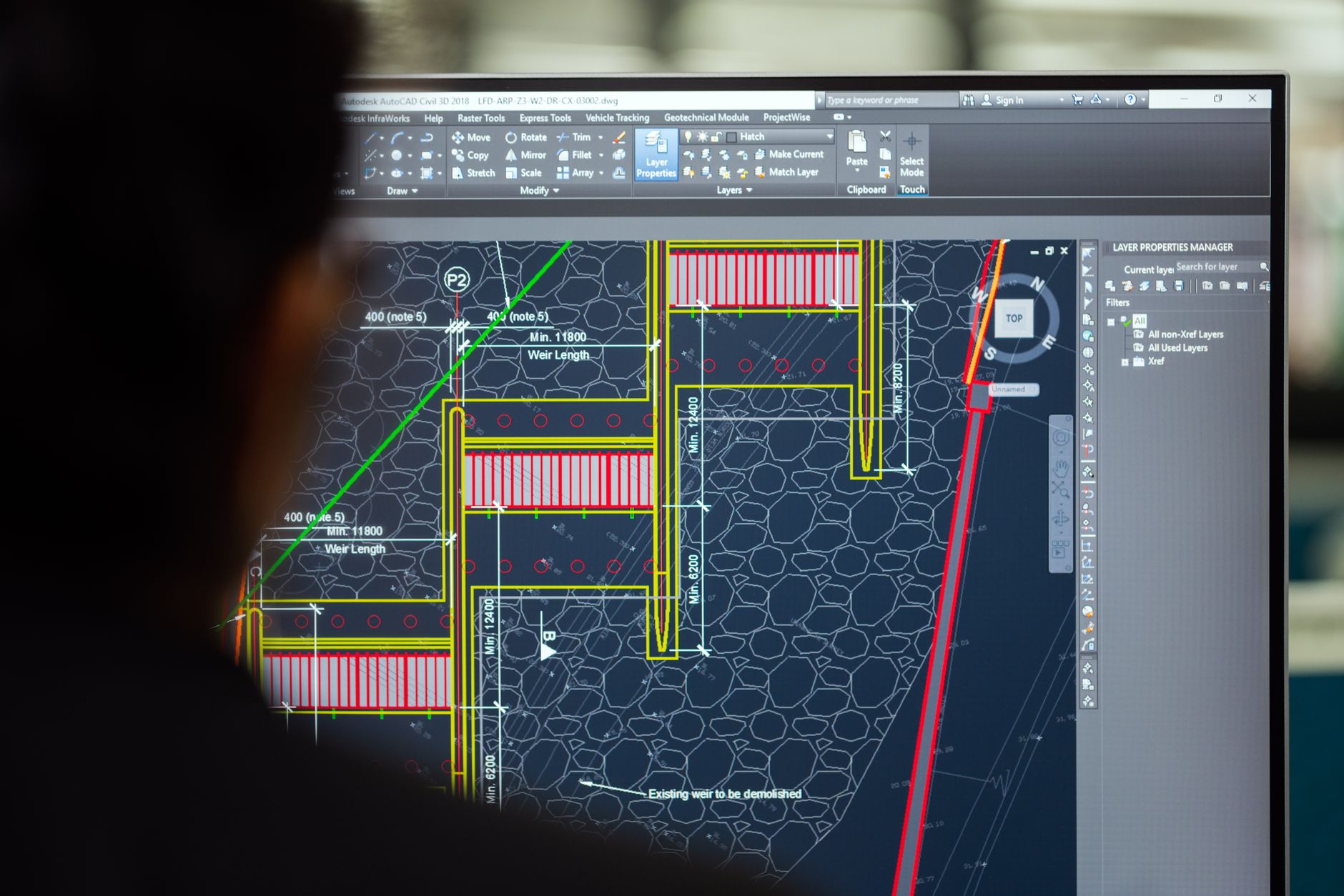
Professional design software solutions must deliver specific capabilities that distinguish them from consumer-grade applications and establish themselves as trusted industry standards recognized globally. The most robust platforms include comprehensive toolsets for modeling, visualization, simulation and collaboration that work together seamlessly and intuitively throughout the creative process. Key features expected from professional-grade software include advanced capabilities that serious designers rely upon consistently
- Advanced 3D modeling and visualization tools that handle complex geometry and photorealistic rendering for compelling client presentations and portfolio work
- Parametric design capabilities allowing designers to create relationships between design elements for rapid iteration and spontaneous design exploration
- Industry-standard file format support ensuring seamless collaboration with clients, manufacturers and stakeholders in the extended supply chain
- Built-in simulation and analysis tools that validate designs before physical prototyping saves significant time, resources and manufacturing costs
- Collaborative workflows and cloud-based project management for teams working across different locations, time zones and organizational boundaries
Platforms like Autodesk integrate these capabilities into cohesive ecosystems where designers can leverage their preferred tools while maintaining seamless data flow and collaboration opportunities throughout complex project lifecycles and organizational structures.
Integration Across Disciplines and Workflows
One of the most significant advantages of comprehensive design platforms is their ability to serve multiple disciplines simultaneously and enable seamless collaboration across departmental lines. Architects can utilize design tools originally created for engineering workflows, while product designers can apply visualization techniques borrowed from entertainment production and visual effects industries. Autodesk solutions bridge these disciplines through unified data models and compatible workflows that allow teams with different specializations to work on the same projects without friction or compatibility issues. This integration eliminates time-consuming data translation steps, reduces errors introduced by manual file conversion processes and enables truly collaborative design environments where expertise flows freely between team members regardless of their specific discipline or departmental affiliation.
Real-Time Collaboration and Remote Workflows

Modern professional design teams often span multiple locations, time zones and even continents, requiring software solutions that enable seamless real-time collaboration across distributed environments and organizational structures. Cloud-based design platforms allow multiple designers to work on the same project simultaneously, with changes syncing instantly across all connected devices and team members globally. Autodesk cloud solutions support these workflows through integrated communication tools, version control systems and project management features that keep teams aligned even when working asynchronously across different time zones. The ability to access complex design files through web browsers eliminates the need for expensive workstation computers at every location, democratizing access to professional-grade design tools for distributed teams.
Supporting the Complete Design Lifecycle
Professional design work extends far beyond the initial concept phase, encompassing visualization, client presentation, manufacturing planning and post-production optimization throughout the project lifecycle. Comprehensive design software solutions must support this entire spectrum of activities through integrated tools and intelligently designed workflows. Autodesk platforms provide specialized modules for each phase of design work, from preliminary sketching and conceptualization through detailed engineering, manufacturing simulation and lifecycle management systems. This comprehensive approach ensures that design intent carries through the entire project lifecycle, reducing revision cycles and improving final output quality. The software learns from previous projects, suggesting optimizations and flagging potential issues before they become expensive problems.
Investing in Your Design Future
Selecting professional design software represents a significant investment in your creative career and organizational capabilities. The most successful designers and studios choose platforms that will evolve alongside their growing expertise and expanding project complexity. Comprehensive solutions like Autodesk provide the depth, flexibility and community support that sustain professional careers over decades.
