Share This Article
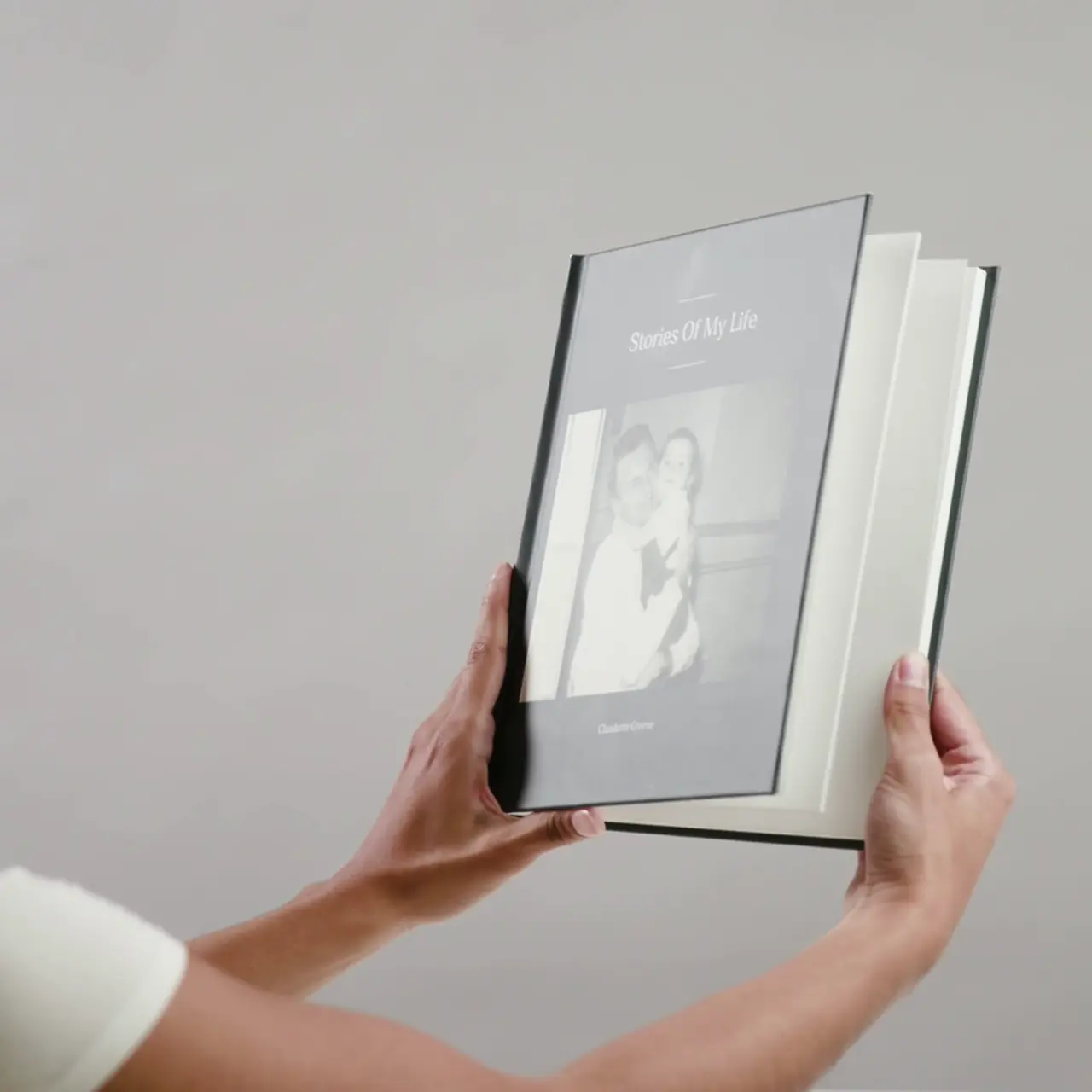
Family memories exist in the space between what we remember and what we forget. A photograph captures a moment in time, but it cannot preserve a grandmother’s laugh, the cadence of a parent’s voice, or the details a grandchild will ask for years later. Remento transforms storytelling into a living archive, allowing families to record, organize, and share the narratives that define their heritage. In an age when families scatter across continents and generations pass more quickly than ever, voice recordings have become one of the most powerful tools for maintaining connection across time.
Why Family Stories Disappear Without Intentional Preservation
Ask yourself: what do you actually remember about your grandparents beyond surface details? Most people cannot recall more than a handful of specific stories without prompting. The anecdotes that seemed unforgettable in childhood fade into vagueness within years. Details blur. Context dissolves. The specific way your grandfather told a joke—the timing, the inflection, the warmth in his voice—vanishes completely once he is gone.
This loss happens not because memory is faulty, but because memories require both recording and retrieval. A written diary sits unread on a shelf. A photo album gathers dust. Stories told only in conversation disappear the moment the conversation ends. Without active preservation, family narratives become increasingly fragmented with each passing generation. Children grow up knowing only the version their parent remembers, which differs from the version their grandparent told, which differs from the original event itself.
Voice Recording: The Bridge Between Telling and Remembering
Audio preserves something that text and images cannot. When you hear your mother’s voice, you do not just absorb information—you reconnect with her presence. Using Remento, families can record conversations in their natural rhythm, capturing not just what was said but how it was said. The pause before a punchline. The sigh when recounting a difficult chapter. The warmth when speaking about someone they loved.
Researchers who study memory and aging consistently find that audio recordings trigger deeper recall than written transcripts. When people hear a familiar voice, they access memories associated with that voice—context, emotion, physical setting. A grandchild listening to their grandparent’s voice years after they have passed experiences something closer to presence than any written account could provide.
Building a Structured Family Legacy

Recording stories is only half the work. Without organization, recordings become scattered files lost in device folders. Remento solves this by creating a structured platform where family members can contribute stories, organized by person, time period, or theme. Each recording sits alongside context—the date it was recorded, who participated, what topics were covered. This structure transforms a collection of random audio files into a coherent family archive.
The platform allows families to move beyond the randomness of conversation. Instead of hoping someone will remember to mention a particular chapter of their life, families can conduct guided interviews. Tell me about when you met Mom. Walk me through your career. Describe your childhood neighborhood. These prompts create comprehensive narratives that spontaneous conversation would never capture.
Accessibility Across Generations and Geography
A recording stored on one person’s phone serves only that person. If they move, change devices, or pass away, the recording may be lost. Remento centralizes family stories in a place where multiple family members can access them simultaneously, regardless of where they live. A cousin in Australia can listen to an uncle’s story recorded in America. A child can hear their parent’s voice when separated by time zones or continents.
This accessibility solves a real problem for modern families. Long-distance relationships, aging relatives in care facilities, and the simple friction of coordinated family gatherings all limit how often stories are told. A centralized archive means stories do not depend on being in the same room at the same time.
Creating Connections Across Generations
The most powerful moments come when younger family members discover stories about people they never met. A grandchild hearing about their great-grandmother’s immigration journey. A teenager learning what their grandfather did in the war. A young adult understanding why their parent made a particular life choice. These moments create texture to family identity—the sense of belonging to something larger than yourself.
When stories are recorded and accessible, children absorb family narrative naturally. Instead of a single telling that must be memorable and complete, stories can be revisited, shared, and discussed repeatedly. A story that seemed irrelevant at thirteen might become deeply meaningful at twenty-five, when the listener has more life experience to understand it.
Getting Started With Family Storytelling
- Begin with people who have the most stories—usually the oldest family members whose memories span the longest time.
- Create a simple plan: decide what topics or time periods matter most for your family’s history.
- Record in a quiet space using good audio quality, allowing the speaker to talk naturally without interruption.
- Encourage follow-up questions but avoid making recording feel like an interrogation.
- Share recordings with family members regularly to keep the project feeling connected and alive.
The Last Word You Need to Hear
Years from now, someone in your family will want to hear your voice. They will want to know what you thought about your own life, what mattered to you, what you wish they understood. Recording your stories is not about perfection or completeness—it is about leaving something real, something that carries your actual voice forward.