
Share This Article
Fashion history reveals cycles of restraint and exuberance, periods emphasizing minimalist elegance alternating with eras celebrating maximalist self-expression. Contemporary style culture increasingly embraces the latter approach, recognizing that clothing represents a canvas for individual creativity rather than a medium for conformist blending. Bold pattern mixing, combining stripes, florals, geometrics and unconventional color combinations within single outfits, transforms wardrobes from functional necessity into creative statements. This approach requires confidence, experimentation and access to pieces enabling authentic expression. Playful fashion celebrates personality, identity and the joy of self-presentation. Betsey Johnson exemplifies this philosophy, designing clothing celebrating individuality, joy and fearless self-expression through bold colors, unconventional patterns and playful aesthetics.
Breaking Traditional Fashion Rules Through Pattern Layering
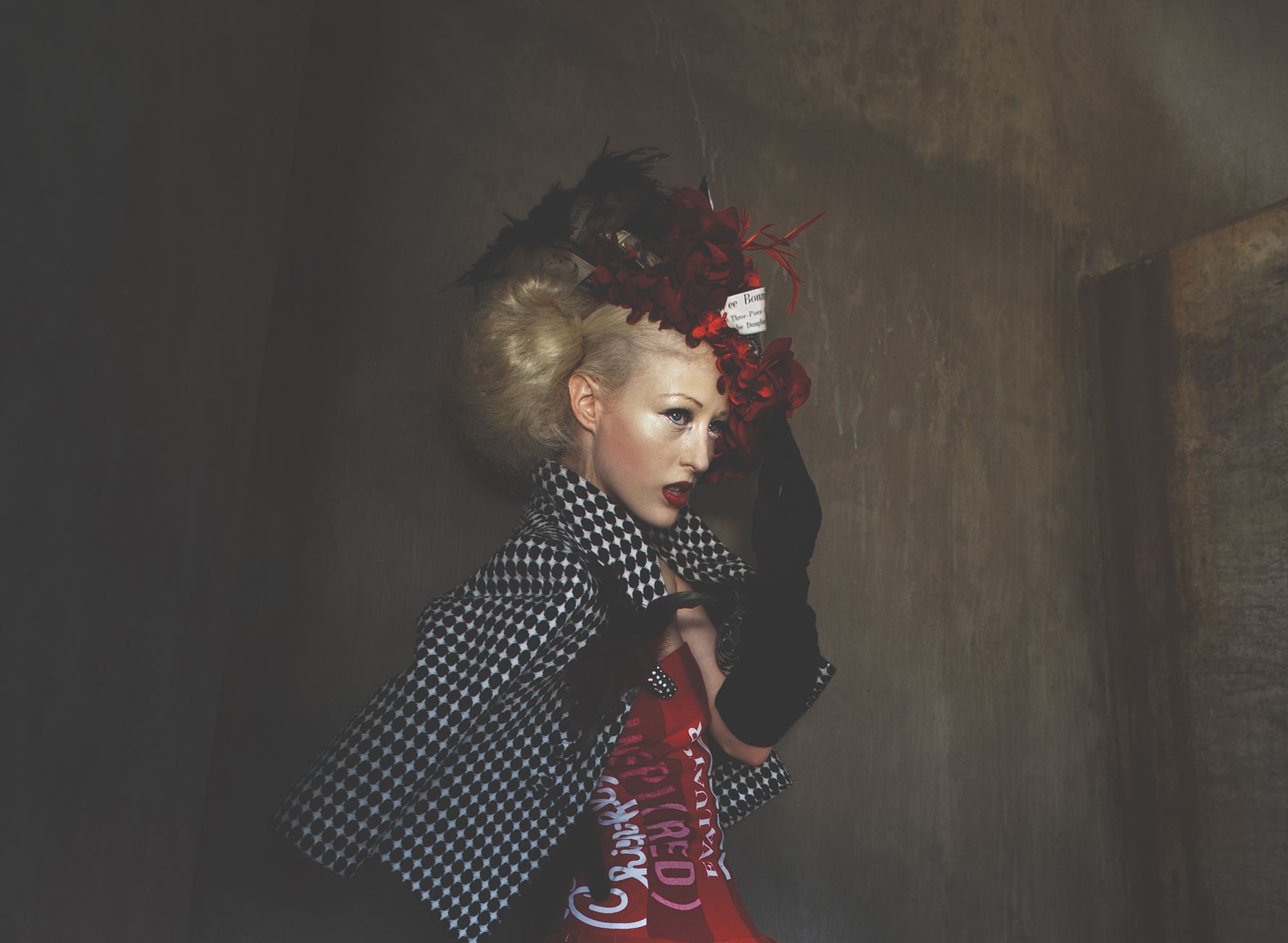
Fashion education historically emphasized adherence to established rules, neutral color palettes, matching patterns, coordinated accessories. These guidelines served conformity objectives, enabling quick outfit decisions and social cohesion through visual uniformity. Contemporary fashion culture has fundamentally rejected these restrictions, recognizing that style rules exist to be challenged and reimagined. Pattern mixing represents the ultimate expression of this philosophical shift. Combining contrasting patterns creates visual interest, personality and memorable aesthetic statements. Traditional fashion arbiters claimed mixing patterns caused visual chaos; contemporary style celebrates exactly this dynamic, energetic quality. Successful pattern mixing requires confidence, commitment to personal aesthetic vision regardless of conventional wisdom. Bold pattern combinations communicate self-assurance and individuality. This creative approach reflects modern understanding that fashion serves self-expression rather than social conformity. Betsey Johnson designs embrace this anti-conformist spirit, encouraging wearers to celebrate distinctive personal style.
Color Confidence and Emotional Expression Through Clothing
Psychology research increasingly documents connections between clothing choices and emotional well-being. Wearing colors matching personal preferences and internal emotional states strengthens confidence and mental resilience. Conversely, conforming to aesthetic standards contradicting genuine preferences creates psychological friction and reduced self-assurance. Bold color choices, whether vibrant fuchsia, electric turquoise or unexpected color combinations, signal emotional authenticity and self-knowledge. These choices communicate, “I know myself; I trust my preferences; I deserve to express my true aesthetic vision.” This psychological dimension transcends superficial fashion concerns, touching upon fundamental questions of authentic living and personal integrity. Playful fashion encourages emotional expression through visual presentation. Colors become emotional language; patterns become personality signatures. Individuals wearing combinations reflecting genuine preferences report increased confidence and positive mood impacts. Fashion transforms from external constraint into internal validation tool, supporting psychological well-being through self-determined aesthetic choices.
Accessibility and Democratization of Fashion Experimentation
Historically, fashion innovation concentrated within elite circles, exclusive designer ateliers, luxury fashion houses and wealthy consumers able to afford experimental pieces. Most individuals accessed fashion through mass production, purchasing pre-designed combinations from mainstream retailers. This structure limited creative exploration; most people wore versions of everyone else’s clothing. Contemporary fashion democratization enables broader experimentation. Affordable brands produce playful, pattern-forward pieces enabling wider populations to participate in style creativity. Designers like Betsey Johnson pioneered accessible playful fashion, proving that creative, joyful design thrives at every price point. Budget-friendly playful pieces enable exploring personal style without requiring substantial financial investment. This democratization strengthens fashion culture overall; diverse aesthetic perspectives generate richer, more innovative style evolution. When all individuals participate in creative expression, fashion becomes a genuine dialogue rather than top-down dictation from elites.
Building Distinctive Personal Style Through Experimentation
Developing personal style requires extensive experimentation, trying combinations, identifying preferences, recognizing which patterns and colors genuinely reflect individual identity. This discovery process demands access to diverse pieces, freedom to try unconventional pairings and psychological safety to fail. Playful fashion brands support this exploration, offering extensive pattern and color options encouraging experimentation. Distinctive personal style emerges through accumulated experience and preference refinement, not through following established trends. Individual fashion evolution reflects internal self-knowledge, understanding which aesthetics resonate, which colors enhance mood, which patterns communicate personal identity. Betsey Johnson designs facilitate this personal journey, providing playful pieces supporting authentic style development.
Joy as a Fashion Philosophy

Contemporary culture increasingly recognizes joy as legitimate personal priority. Fashion reflects this shift; clothing celebrating playfulness, humor and delight represents a conscious choice to prioritize emotional well-being and self-celebration. Playful fashion rejects solemnity and excessive seriousness, embracing lightness and enjoyment. Wearing bold patterns, unexpected colors and joyful designs communicates self-love and permission for happiness. This represents subtle but profound philosophical statement, that individuals deserve to experience pleasure through everyday choices, that self-expression takes precedence over social conformity, that joy matters. Fashion becomes medium for affirming personal worth and celebrating existence. Playful design celebrates human capacity for creativity, individuality and emotional richness.
Confidence Through Authentic Self-Presentation
Ultimately, playful fashion derives power from authentic self-expression. Confidence emerges not from following established rules but from trusting personal aesthetic judgment and presenting that judgment visually. Bold pattern mixing, unconventional color combinations and playful design choices communicate self-assurance and self-knowledge. These choices declare, “This is who I am; this is what I love; I’m comfortable with that.” This authenticity proves contagious, others recognize and respect genuine self-presentation, even when it contradicts their personal preferences. Playful fashion celebrates this authenticity, encouraging wearers to prioritize personal vision over external validation.
- Pattern mixing represents fashion liberation from restrictive rules, enabling creative self-expression through bold aesthetic combinations.
- Color confidence strengthens psychological well-being, with authentic color choices supporting emotional resilience and internal alignment.
- Fashion democratization enables broader populations to access playful, creative pieces supporting personal style development.
- Distinctive personal style emerges through experimentation and accumulated self-knowledge rather than trend-following.
- Playful fashion philosophy prioritizes joy, authenticity and self-celebration as legitimate and valuable personal priorities.
Fashion ultimately serves human expression and psychological well-being. Playful design celebrates individuality, creativity and the joy of authentic self-presentation. Betsey Johnson designs embody this philosophy, enabling wearers to celebrate bold self-expression and fashion joy.
