
Share This Article
A shopper trying to eat around a health goal usually starts with a label-by-label hunt through aisles, hoping each item fits. Personalized grocery delivery flips that order by asking about dietary needs before any shopping happens, then building a cart from the answers. Hungry Root is one service built on that idea, pairing groceries with recipes chosen to match preferences set upfront instead of being filtered after the fact. For a household juggling a packed week, that distinction changes what grocery shopping actually looks like.
How Hungryroot’s Personalization Quiz Shapes Grocery Delivery Carts
The process begins with a short set of questions covering diet, health goals, and budget. A parent managing a child’s dairy allergy, for example, can flag that restriction once instead of scanning every label at a store. The service uses those answers to build a plan around the household rather than a generic cart meant for anyone. Once the questions are answered, the cart fills automatically with grocery items and recipes chosen to match what was entered.
The 50,000+ Recipe Library: Finding Meals Matched to Dietary Needs
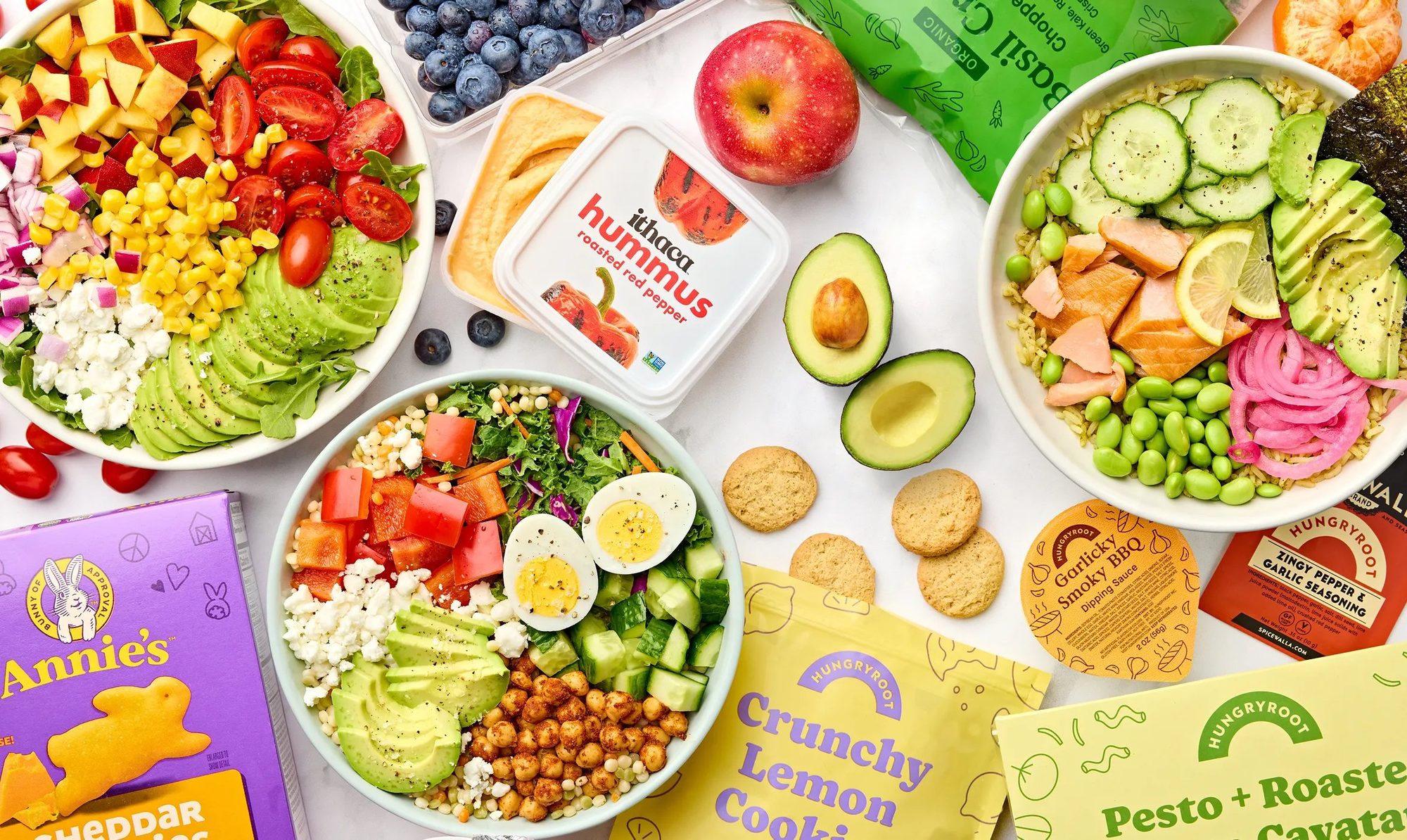
The brand draws from a recipe library of more than 50,000 options, which gives the matching process plenty of material to work with. Because the library is large, a match can stay specific instead of defaulting to a broad, one-size-fits-all suggestion. Hungry Root describes its goal as combining the convenience of a meal kit with the variety typically found in a full grocery store. That combination supports eating well across a whole week without sourcing ingredients from several different places.
Dietary Category Options: High Protein, Anti-Inflammatory, Gut-Friendly, and More

Part of the offering is organized around named dietary categories, each with its own recipe count. A set built around joint-friendly, anti-inflammatory eating draws from recipes featuring fruits, vegetables, lean proteins, whole grains, and healthy fats. High Protein draws from a pool of more than 42,000 recipes built around premium meats, fresh seafood, and plant-based proteins. Less Sugar, Gluten-Free, and Dairy-Free each draw from tens of thousands of recipes as well, giving every category real depth rather than a token handful of options. The Gut-Friendly category includes 2,000 or more recipes focused on microbiome-supporting nutrients, while Anti-Inflammatory, Less Sugar, Gluten-Free, and Dairy-Free each feature 2,000 recipes or more as well.
- High Protein pulls from premium meats, fresh seafood, and plant-based proteins for anyone targeting protein intake.
- Anti-Inflammatory centers on fruits, vegetables, lean proteins, whole grains, and healthy fats.
- Gut-Friendly focuses on microbiome-supporting nutrients such as fiber, antioxidants, and healthy fats.
- Less Sugar highlights recipes that keep added sugar low without sacrificing flavor.
- Gluten-Free and Dairy-Free each offer recipe options built around removing those specific ingredients entirely.
- Vegetarian rounds out the list with fresh produce and plant-based proteins for anyone skipping meat.
The Time and Decision-Making Savings of Pre-Filled Carts
A cart that arrives already filled removes a step that normally eats into an evening, standing in an aisle comparing labels for twenty minutes before deciding on dinner. A household that works late and still needs to feed everyone does not have that twenty minutes to spare most nights. The platform frames this as never needing to read another label again, since ingredients and meals are already selected to match stated dietary preferences. That matters less because of the minutes saved and more because the decision about what fits a dietary goal has already been made before the order arrives. On average, customers using the service report saving roughly 3 hours of time each week on grocery shopping and meal planning combined.
This approach also differs from traditional meal kit services, which often require picking individual meals from a limited weekly menu. A personalized grocery delivery model, by contrast, shapes the entire cart around preferences set once, rather than demanding a fresh decision every single week. Hungry Root lets households lock in those preferences upfront, so the weekly ordering cycle itself becomes automatic rather than requiring active choices each time. For anyone who finds meal planning itself the hardest part of eating well, that shift changes what the weekly routine requires.
Real Health Outcomes and Financial Impact for Customers
Hungry Root cites a few concrete figures from surveyed customers. According to the brand, 90% of customers surveyed reported improved health after using the service. Beyond health outcomes, customers using the service reported saving $200 or more on average when choosing it over takeout. Those savings appear alongside the time reclaimed, suggesting that pairing dietary customization with delivery logistics can produce measurable change across multiple dimensions of a household’s routine.
Whether the result is steadier eating habits tied to a stated goal, such as managing added sugar or supporting gut health, or simply reclaimed time and reduced food spending, the reported outcomes trace back to the same starting point. That starting point is a cart built from stated preferences rather than rebuilt from scratch each week.
For households making a dietary goal into a sustainable weekly habit, the value lies in having personalization work once and keep working.
