
Share This Article
The modern world is relentlessly loud. Traffic noise, construction sounds, office chatter, and constant notifications create a persistent sonic environment that few escape. This continuous noise exposure doesn’t just cause annoyance—it triggers genuine health concerns including hearing damage, stress, sleep disruption, and reduced cognitive function. For decades, earplugs were viewed as tools for construction workers or frequent flyers, but today’s noise reduction technology has evolved dramatically. Modern earplugs serve multiple purposes: protecting hearing during loud events, enabling better sleep and concentration, and providing relief from sensory overload. Advanced hearing protection solutions are now designed for everyday use, offering comfort, effectiveness, and stylish aesthetics that make them accessible to everyone.
Understanding Hearing Damage and Prevention
Hearing loss is often gradual and irreversible, making prevention significantly more valuable than treatment. The human ear can sustain damage from prolonged exposure to sounds exceeding 85 decibels—roughly the noise level of heavy traffic. Temporary hearing damage, called temporary threshold shift, can recover after rest. However, repeated or severe noise exposure causes permanent damage as microscopic hair cells in the inner ear deteriorate and don’t regenerate. Once lost, hearing cannot be naturally restored. Young people are particularly vulnerable because they often underestimate cumulative damage from concerts, headphone use, and loud social environments. By middle age, the damage accumulated in youth becomes apparent as difficulty hearing conversations in noisy restaurants or missing high-frequency sounds. Protective hearing solutions that you wear consistently provide an effective insurance policy against future hearing problems.
Different Types of Earplugs and Their Uses
Not all earplugs serve the same purpose, and matching the right type to your needs ensures maximum benefit. Foam earplugs offer maximum noise reduction at minimal cost, making them ideal for sleeping or extreme noise environments like concerts or power tools. They’re disposable, affordable, and effective, though many find them uncomfortable for extended wear. Reusable earplugs provide moderate noise reduction with better comfort, making them suitable for daily commutes or office environments. Musicians’ earplugs use special filters that reduce loud sounds while preserving normal conversation, essential for professional musicians and live music enthusiasts. Swimmer’s earplugs prevent water entry rather than reducing noise, serving a completely different purpose. Sleep-specific designs contour to minimize pressure on ears when lying down. Specialized hearing protection options allow you to select the type perfectly matched to your specific situations and preferences.
The Sleep Revolution: Better Rest Through Noise Control
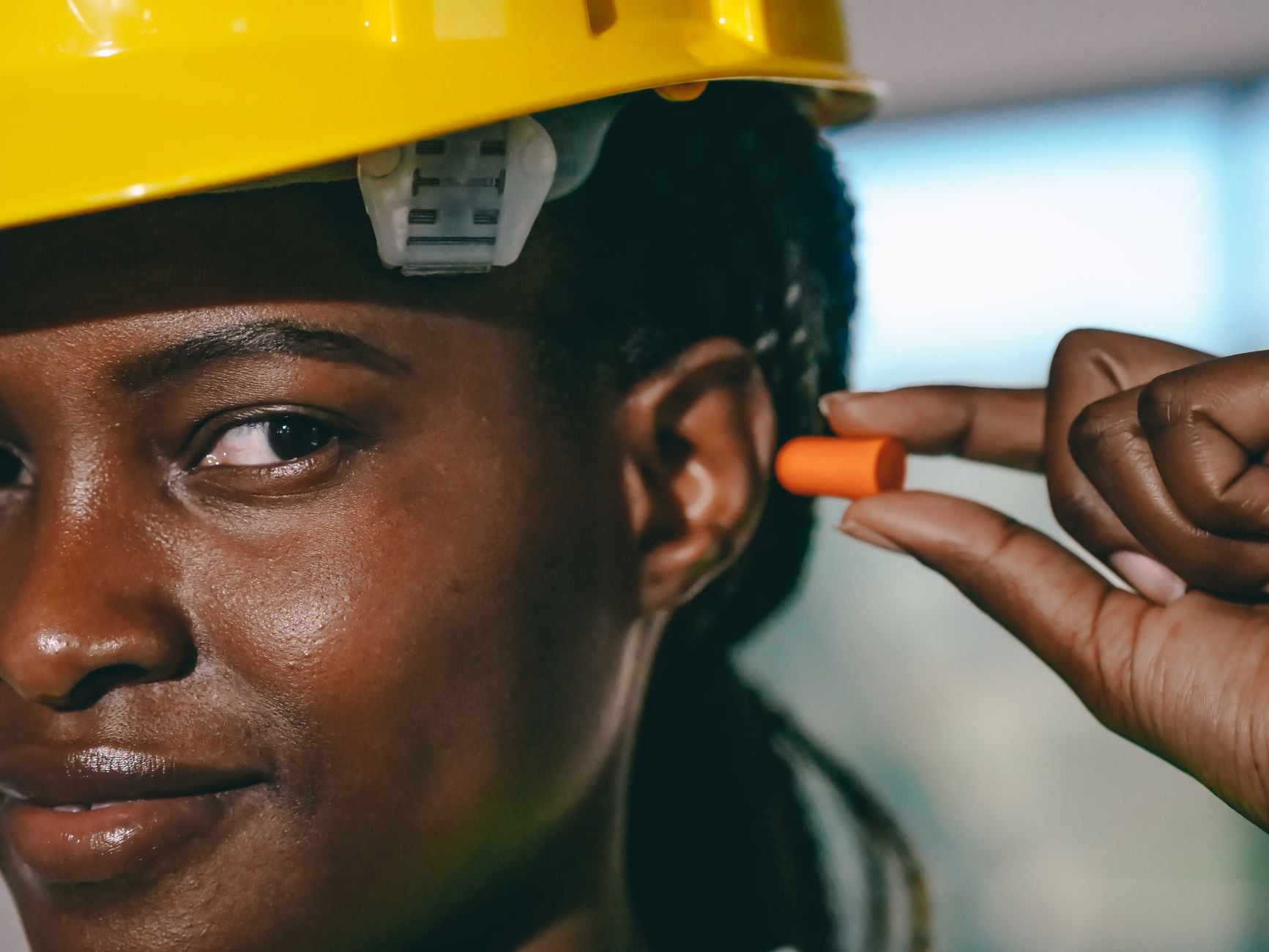
Sleep quality is foundational to health, yet countless people suffer from noise-disrupted rest. Partners snoring, external traffic, neighbors’ voices, and late-night activity prevent the continuous, uninterrupted sleep cycles necessary for physical recovery and mental health. Even when waking isn’t complete, arousals from noise prevent reaching deep sleep stages where memory consolidation and physical restoration occur. The result is chronic fatigue, reduced cognitive function, weakened immune response, and increased disease risk. Unlike sleep medications with potential side effects and dependency risks, earplugs address noise directly without affecting the brain’s natural sleep mechanisms. Many sleep specialists recommend quality earplugs as a first-line solution for noise-disrupted sleep. Combining earplugs with white noise machines creates ideal sleeping conditions for light sleepers. Business travelers, shift workers, and parents of young children particularly benefit from this approach. Investing in high-quality sleep protection can transform your nightly rest and overall health.
Workplace Noise and Productivity
Office environments vary dramatically in noise levels, from quiet libraries to chaotic open-plan layouts. Research consistently demonstrates that noise disrupts concentration, reduces productivity, and impairs complex cognitive tasks. Even modest ambient noise—colleagues’ conversations, ringing phones, keyboard clacking—fragments attention and requires significant mental effort to overcome. Open office designs, widely adopted for cost savings and collaboration benefits, often create environments where noise becomes the primary complaint. Workers report difficulty focusing, headaches, and stress from constant auditory stimulation. Earplugs offer a personal sound control solution when environmental changes aren’t feasible. They signal to colleagues that you’re in focused work mode, reducing interruptions beyond just noise reduction. Students studying for exams, programmers solving complex problems, and writers crafting content particularly benefit from reducing auditory interference. Workplace hearing protection represents an often-overlooked productivity tool that simultaneously protects long-term hearing health.
Sensory Overload and Mental Health

Beyond physical hearing damage, excessive noise contributes to stress, anxiety, and sensory overwhelm. People with autism, ADHD, and sensory processing differences often find loud environments unbearably stressful, sometimes triggering meltdowns or requiring extended recovery periods. Introverts similarly report that continuous external stimulation drains their mental and emotional resources more rapidly than for others. Concert crowds, sporting events, busy airports, and shopping centers become genuine challenges requiring coping strategies. Properly fitted earplugs provide relief by reducing the overall sensory load, allowing comfortable participation in activities that would otherwise be impossible. Parents managing young children in public spaces find earplugs helpful for their own stress levels. Healthcare workers in chaotic emergency departments use earplugs to improve focus and reduce fatigue. Noise reduction for sensory wellness recognizes that hearing protection extends beyond preserving hearing—it supports mental health and social participation.
Concert and Live Event Hearing Protection
Live music, sporting events, and other entertainment often expose audiences to dangerous noise levels regularly exceeding 100 decibels. Unlike occupational exposure where regulations mandate hearing protection, entertainment venues bear no responsibility for attendee hearing health. Many music enthusiasts attend dozens of events annually, accumulating significant noise exposure. Specialized musicians’ earplugs let you enjoy concerts with near-normal sound quality while reducing volume by 15-25 decibels, bringing dangerous levels into safe ranges. Custom-molded options provide perfect comfort and fit, ensuring they stay in place during dancing or active participation. The social aspect of live entertainment doesn’t require full-volume hearing damage—the experience remains enjoyable at safer levels. Young concertgoers particularly need this protection because cumulative damage from numerous events at age twenty becomes serious hearing loss by age fifty. Entertainment hearing protection allows you to safely enjoy your favorite events for life.
Choosing and Fitting Your Earplugs
Proper fit is essential for earplug effectiveness and comfort. Hearing professionals can perform fitting services and often recommend specific types based on your needs and ear anatomy. Custom-molded earplugs, while more expensive initially, provide superior comfort and effectiveness for frequent users. Test different brands and styles before committing to bulk purchases—what works perfectly for one person may be uncomfortable for another. Size matters significantly; earplugs that are too large cause pressure and discomfort, while too-small versions don’t create proper seals. Insertion technique requires practice—many users initially fail to insert them deeply enough to achieve rated noise reduction. YouTube videos from manufacturers demonstrate proper insertion technique. Maintaining reusable earplugs through regular cleaning extends their lifespan and ensures hygiene. Some people develop temporary discomfort when first using earplugs, but this typically diminishes within days as the ear adjusts. Experimenting with different types to find your perfect match ensures you’ll actually use them consistently rather than abandoning an uncomfortable solution.
Taking hearing protection seriously today ensures you’ll enjoy rich sound quality and clear communication throughout your entire life.