
Share This Article
Nursing pillows sit close to a baby for extended stretches each day, which is why their raw materials matter as much as their shape. A natural latex nursing pillow offers a plant-based option in a category long dominated by petroleum-based foam. Butterr builds its pillows around this idea, pairing natural latex with organic cotton covers to give parents a chemical-conscious choice for feeding support.
What Sets Natural Latex Nursing Pillows Apart from Synthetic Foam
Synthetic foam fill is typically derived from petroleum and can carry chemical residues from its manufacturing process. A pillow instead starts with latex tapped directly from rubber trees. That sourcing difference shapes everything downstream, from how the material is processed to what ends up resting against a baby’s skin during feeding.
Conventional foam pillows often rely on synthetic additives to hold their shape over time. Natural latex, by contrast, is naturally free from chemicals, pesticides, synthetics, and herbicides commonly found in petroleum-based foams. This distinction is at the center of why plant-based nursing pillows have become a distinct category rather than simply a variation on standard foam support cushions.
The Butterr Nursing Pillow: Plant-Based Construction and Toxin-Free Design
Butterr describes its nursing pillow as the first plant-based nursing pillow built around this material. The It Nursing Pillow is made from natural latex, which the brand positions as a safer choice for both mother and baby than synthetic foam alternatives. It is offered across named colorways, including Wheat, Natural, Blush, Ginger, Fable, Earth, Magnolia, and Mahogany, giving parents a way to match the pillow to a nursery palette.
Because the latex is plant-based, Butterr frames the pillow as toxin-free in its construction. The brand ties this directly to the sourcing method, noting that the material is tapped from rubber trees rather than synthesized from petroleum. That framing is central to how Butterr differentiates its natural latex nursing pillow from mainstream foam-filled competitors.
Organic Cotton Covers and GOTS Certification in Butterr Pillows
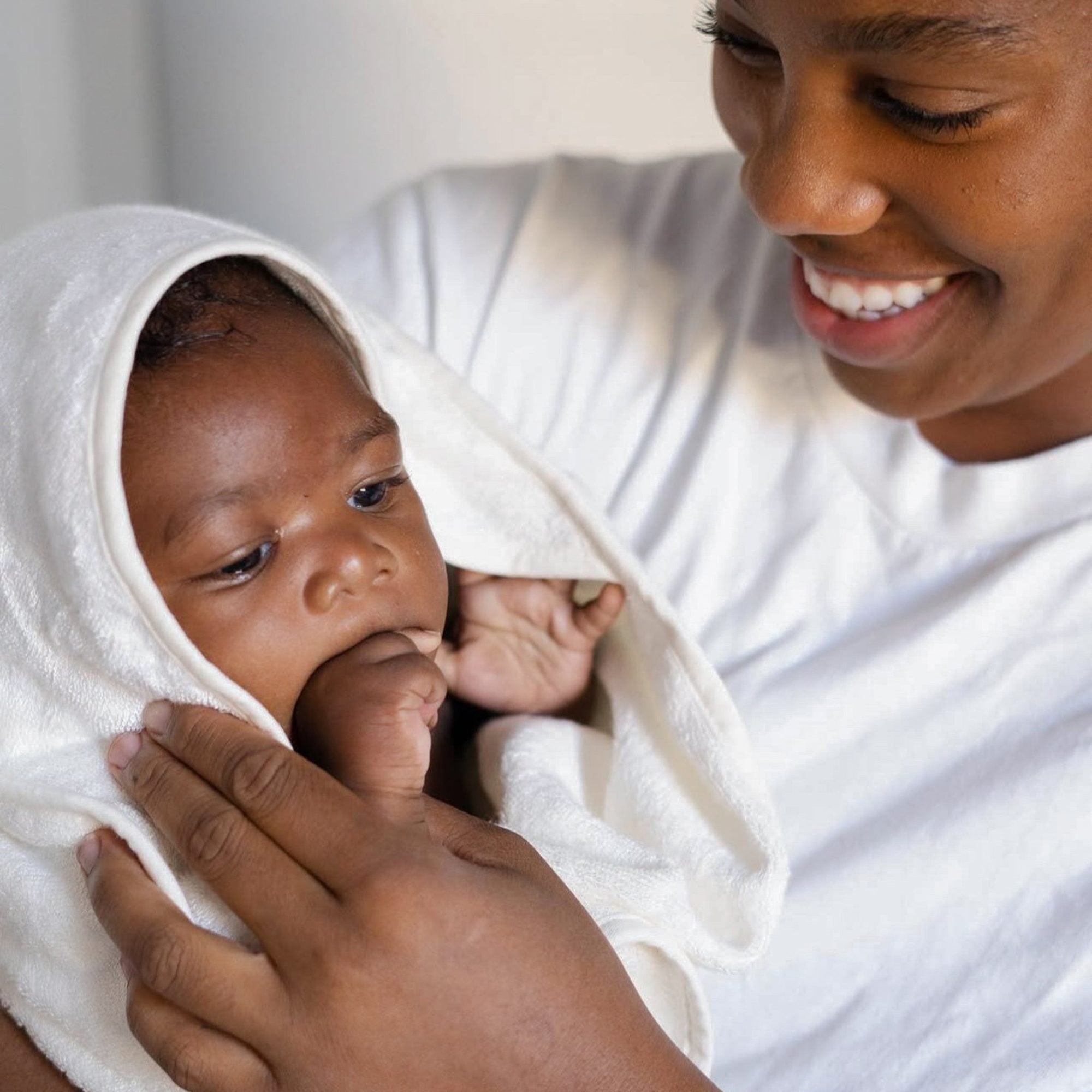
The cover fabric is as relevant to safety as the fill material inside it. Butterr Nursing Pillow Covers are crafted from GOTS Certified fabric described by the brand as hypoallergenic and buttery soft. According to Butterr, the fabric has been tested and is free of damaging levels of over 100 known harmful substances.
GOTS certification applies specifically to organic textiles, which places the cover fabric in a different category from generic quilted covers found on many synthetic pillows. Covers are sold separately in colorways such as Natural, Wheat, Blush, Ginger, Fable, Earth, Mahogany, Chestnut, Sandstone, and Birch, and this separation between pillow and cover means a cover can be laundered without handling the latex insert directly.
The Fable Nest Collection: Sustainable Fabrics and Thoughtful Design

Beyond the core organic cotton lineup, The brand also offers the Fable Nest Collection, which includes covers in Mahogany, Chestnut, Sandstone, and Birch. These pieces are crafted from a blend of 75% Tencel and 25% Linen, described by the brand as carrying an airy softness alongside the durability of linen. The fabric is OEKO-TEX certified, which the brand states ensures it is free from harmful substances.
Within this collection, the Fable print itself is described as a delicate floral design on crisp white organic cotton, featuring hand-drawn blossoms in an earthy brown tone. That cover is made from GOTS-certified organic cotton and is also OEKO-TEX certified. The Fable Nest Collection shows how the range extends its material standards across more than one fabric type, not only the original cotton covers.
How Natural Latex Provides Firm Support for Breastfeeding and Lap Naps
Material sourcing aside, a nursing pillow still has to function during long feeding sessions. Customer feedback on the Butterr site references the pillow keeping its firm shape to support a baby during feeding and lap naps over multiple weeks of use. That kind of structural consistency is a basic requirement for any cushion meant to hold a baby at a stable height.
Firmness is also one of the practical differences between natural latex and foam fill, since the two materials respond differently under sustained weight. A natural latex nursing pillow is often chosen specifically because its structure does not rely on synthetic foam to maintain shape. For parents comparing options, this is one of the more tangible, everyday differences between the two material types.
- Natural latex is tapped from rubber trees, while synthetic foam is derived from petroleum.
- The brand states its natural latex is free from chemicals, pesticides, synthetics, and herbicides commonly found in petroleum-based foams.
- Nursing pillow covers are GOTS certified and tested free of damaging levels of over 100 known harmful substances.
- The Fable Nest Collection fabric blend is OEKO-TEX certified, covering a different textile type than the core organic cotton covers.
- Natural latex harvesting is described as a gentle tapping process intended to let trees and surrounding ecosystems continue to thrive.
Making the Switch to Chemical-Free Nursing Support
Moving from a synthetic foam pillow to a plant-based one mostly comes down to comparing what each material is made from and how it is finished. Organic cotton nursing pillows that are plant-based, non-toxic, and crafted with premium quality represent one defined option within that broader comparison. Butterr positions its full range, from the core pillow colorways to the separate cover collections, around that same plant-based standard.
Reviewers on the product pages mention details such as cover washing routines and keeping spare covers on hand between launderings. These small practical notes matter alongside the material story, since a natural latex nursing pillow is still a product that gets used daily. Considering both the certification details and real usage patterns gives a fuller picture of what switching actually involves.
Plant-based materials continue to reshape categories once built almost entirely around synthetic foam.
