Share This Article
There was a time when creating digital art required expensive software, technical skills, and enough patience to survive a hundred-layer Photoshop file without emotionally collapsing. AI art tools changed that entire conversation almost overnight. But while dozens of image generators now compete for attention, many feel either too complicated, too generic, or painfully corporate. MyDream takes a different route by making AI creativity feel playful, visual, and surprisingly approachable.
MyDream is an AI-powered image generation platform that allows users to create digital artwork, fantasy visuals, stylized portraits, concept art, wallpapers, and imaginative scenes simply by describing what they want. Instead of overwhelming users with technical settings and complicated workflows, the platform focuses heavily on accessibility and fast creative experimentation. And honestly, that simplicity is a huge part of the appeal.
Why MyDream Feels More Creative Than Most AI Art Platforms
A lot of AI image tools are built for efficiency first. MyDream feels built for imagination. The platform leans heavily into artistic exploration rather than trying to function like a technical design suite for professionals only. That difference changes the entire experience. You are encouraged to experiment with styles, moods, fantasy concepts, and cinematic prompts without feeling like you need engineering-level prompt skills just to get decent results.
The interface also helps keep creativity flowing instead of interrupting it with endless settings menus. Users can generate artwork quickly, refine ideas naturally, and explore multiple visual directions without the process becoming exhausting. For casual creators, hobby artists, gamers, social media users, writers, and people who simply enjoy visual storytelling, MyDream feels much more inviting than many overly technical competitors.
The Features That Make MyDream Fun to Use
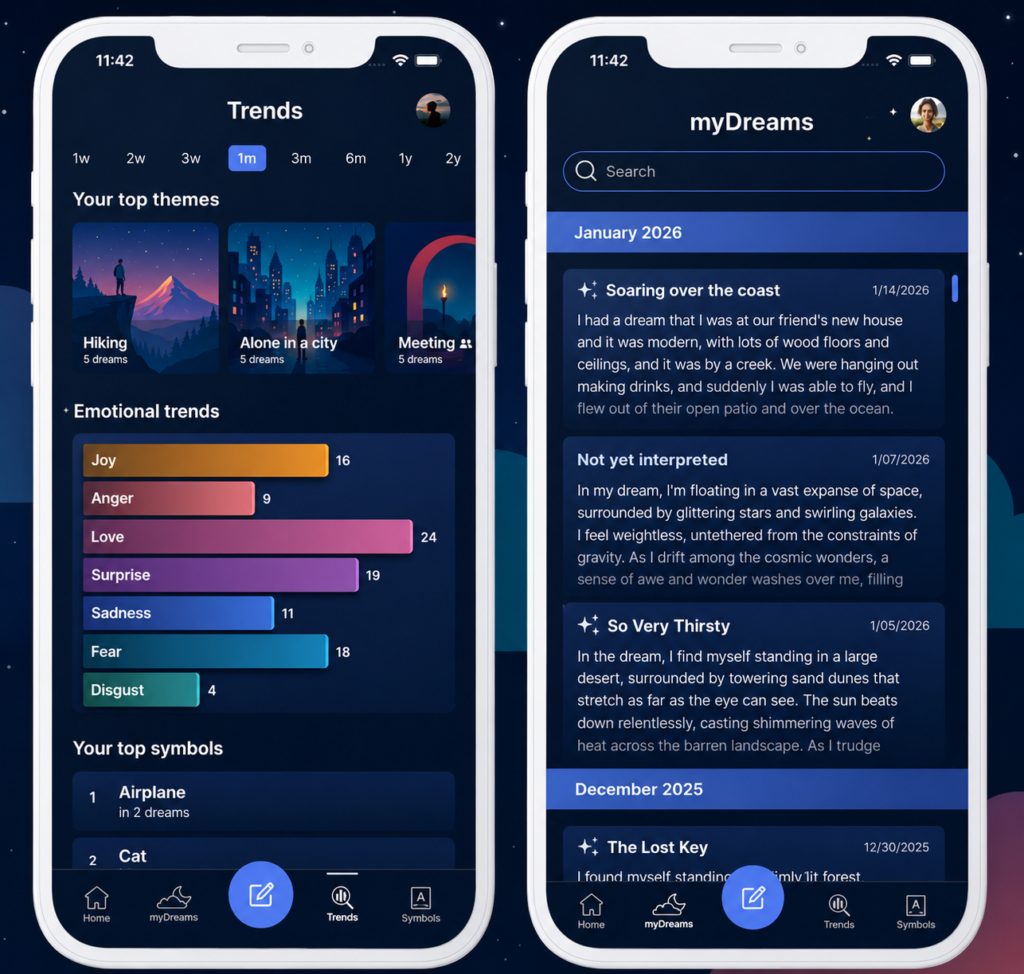
One of the strongest parts of MyDream is how fast the platform transforms simple ideas into visually polished images. Whether users want anime-inspired characters, dreamy landscapes, futuristic cities, fantasy creatures, or cinematic portraits, the AI handles stylized generation impressively well. The platform also supports multiple art styles, which helps users experiment creatively instead of feeling locked into one visual identity.
Another major advantage is accessibility. Many AI art tools quietly assume users already understand prompt engineering or advanced image-generation techniques. MyDream lowers that barrier significantly. Beginners can create visually striking content almost immediately, while more experienced users still have enough flexibility to fine-tune ideas creatively. That balance between simplicity and customization is surprisingly difficult to achieve, but MyDream handles it well.
The platform also performs especially well for social media visuals, mood boards, gaming concepts, wallpapers, and creative inspiration projects. Instead of treating AI art like a sterile productivity tool, MyDream embraces the entertainment side of visual creation, which makes the experience feel much more enjoyable.
Where MyDream May Not Fully Replace Professional Design Tools
As fun and capable as MyDream is, it is important to understand what the platform is and what it is not. Professional graphic designers working on detailed commercial projects may still rely on software like Photoshop, Illustrator, or advanced AI workflows for highly controlled editing and production work. MyDream prioritizes speed and creativity over pixel-perfect manual precision.
Some highly detailed prompts can also produce occasional inconsistencies, which is fairly normal across most AI image platforms. Users looking for exact brand-specific design control or highly technical composition editing may find the platform slightly limiting compared with advanced professional design ecosystems. But for the majority of users exploring creative image generation, those limitations rarely become dealbreakers.
Who Will Enjoy MyDream the Most
MyDream feels best suited for people who want creativity without friction. Content creators, gamers, fantasy fans, writers, digital artists, social media users, and visually curious beginners are likely to enjoy the platform immediately. It works especially well for users who care more about imaginative exploration than technical perfection.
The platform also fits nicely into the growing world of AI-assisted creativity where users want fast inspiration, unique visuals, and entertaining experimentation without spending hours learning complex software. That accessibility makes MyDream feel much more welcoming than many AI tools that accidentally intimidate the very people they are trying to attract.
The AI Art Platform That Makes Creativity Feel Easy Again

AI image generation has become crowded fast, but MyDream succeeds by keeping the experience enjoyable instead of overwhelming. It removes much of the technical friction that scares casual users away from digital art creation while still producing visually exciting results that feel genuinely creative.
For users looking to generate fantasy artwork, stylized portraits, imaginative scenes, or social media-ready visuals without diving into overly technical workflows, MyDream offers something refreshing: a platform that feels creative first and complicated second. And in a market filled with tools trying desperately to sound futuristic, that human-friendly approach might actually be its smartest feature.