

Share This Article
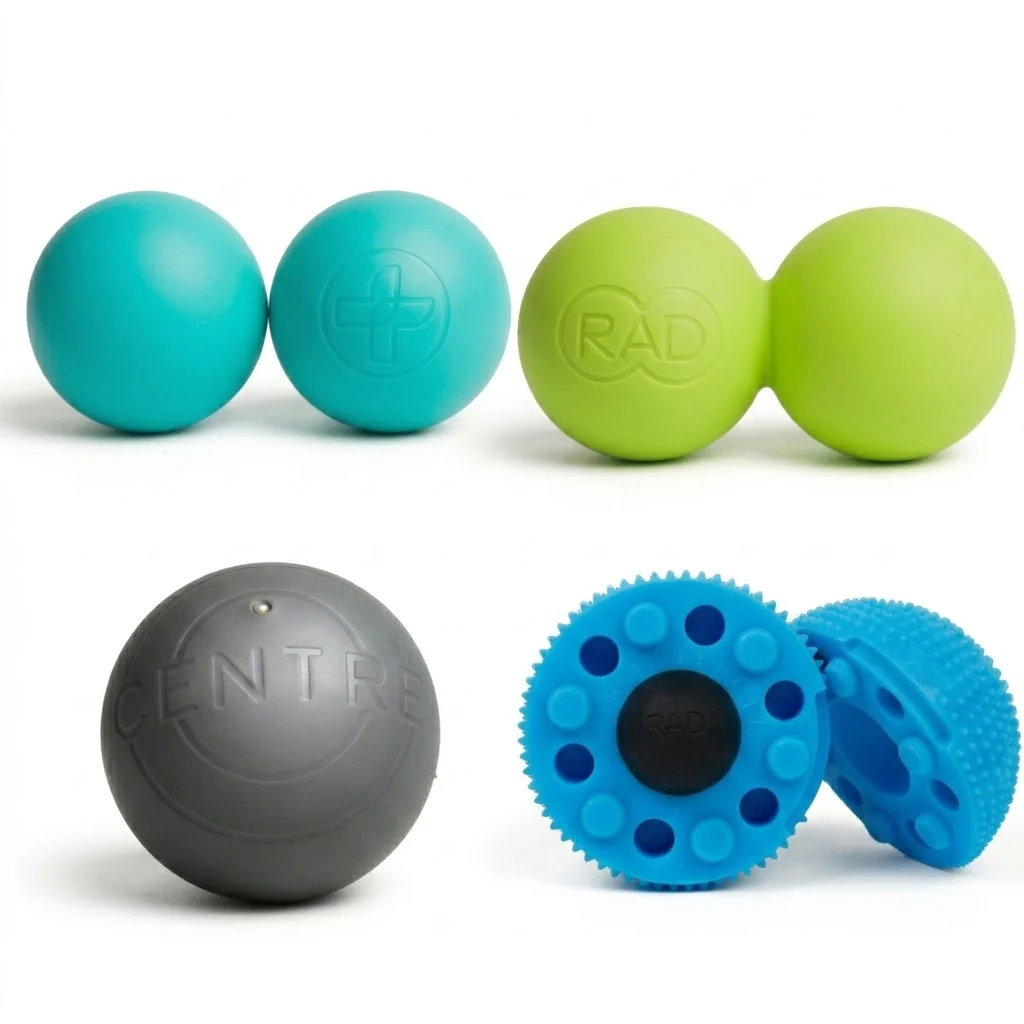
Your muscles are screaming after an intense workout. The soreness sets in within hours, building over the next 24-48 hours into genuine pain that makes basic movements feel like torture. You’ve heard about foam rolling, you know elite athletes swear by it, but you’re not entirely sure what it actually does or whether it’s worth the investment. Here’s the truth: foam rolling isn’t just another fitness fad—it’s a scientifically-proven recovery tool that dramatically accelerates healing, reduces soreness and improves flexibility. RAD Innovation offers premium rollers designed to deliver maximum results while remaining accessible to anyone serious about recovery.
Recovery matters more than most people realize. The actual muscle growth and strength gains don’t happen during your workout—they happen during recovery when your body repairs the micro-tears that training creates. If you shortchange recovery, you’re wasting your training efforts. You’ll experience persistent soreness, elevated injury risk and slower progress toward your fitness goals. Proper recovery eliminates these problems, allowing your body to rebuild stronger while preparing you for your next training session.
Understanding How Foam Rolling Actually Works
Foam rolling applies sustained pressure to muscles, breaking apart adhesions (tight, knotted tissue) that restrict movement and cause pain. This process, called myofascial release, improves blood flow to affected muscles, delivering nutrients and oxygen needed for repair. As tension releases and blood flow improves, soreness decreases dramatically. Athletes report reduced pain, improved range of motion and faster recovery—often within the first few sessions.
The science backs up these experiences. Research shows that foam rolling reduces delayed-onset muscle soreness (DOMS) by approximately 20-30 percent. More impressively, it improves flexibility and range of motion almost immediately. A single rolling session can increase hip mobility, shoulder flexibility and ankle range of motion measurably. These aren’t placebo effects—they’re genuine physiological changes that improve your training and daily life.
Which Muscles Benefit Most From Rolling
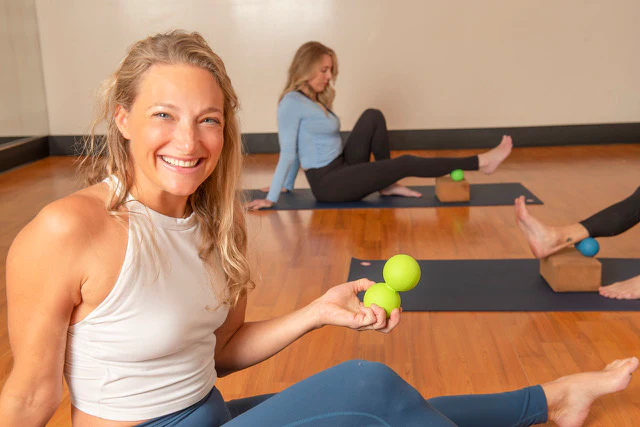
Your back, legs, hips and shoulders contain the largest muscle groups and respond most dramatically to foam rolling. These areas accumulate the most tension from training, sitting and daily life. RAD Innovation rollers target these problem areas effectively, applying consistent pressure across the entire muscle length. Even fifteen minutes of focused rolling in these regions produces noticeable improvements in soreness and flexibility.
The IT band (a thick band of tissue running along your outer thigh) deserves special attention. IT band tightness causes knee pain that plagues runners and cyclists. Direct rolling intensely uncomfortable initially, but consistent work transforms this painful tissue into pliable muscle. Many athletes report that consistent IT band rolling eliminates chronic knee pain that plagued them for years.
Building Your Recovery Protocol
Effective recovery extends beyond foam rolling alone. Sleep, nutrition and hydration form the foundation—no amount of rolling compensates for poor sleep or insufficient protein intake. But foam rolling complements these fundamentals beautifully. Most athletes benefit from rolling immediately post-workout when muscles are warm and responsive. Sessions should last 15-30 minutes depending on soreness level and muscle groups targeted.
Technique matters significantly. Roll slowly across muscle tissue, pausing on tender spots for 20-30 seconds rather than rushing across the muscle. You should experience discomfort during the process—genuine pain indicates injury and means you should ease up. The difference between productive discomfort and harmful pain becomes obvious with experience.
Why Equipment Quality Impacts Results
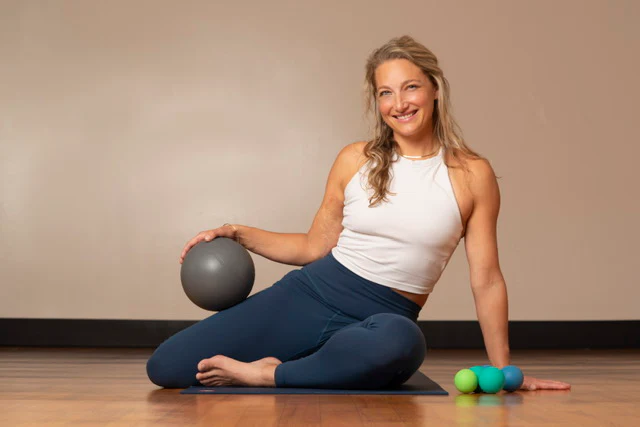
Not all foam rollers perform equally. Budget rollers feature thin, easily-compressed foam that doesn’t provide adequate pressure. They collapse under your body weight, failing to apply sustained tension needed for real myofascial release. Premium rollers like those from RAD Innovation feature high-density foam that maintains consistent pressure throughout your recovery session. You’ll feel the difference immediately—quality equipment applies pressure that cheaper alternatives simply cannot match.
Roller width also matters. Wider rollers distribute pressure across larger areas, making them ideal for large muscle groups like quadriceps and hamstrings. Narrower rollers concentrate pressure, working better for smaller muscles and tight spots. Advanced athletes benefit from having multiple rollers—a full-size roller for large muscles, a smaller roller for focused work, and possibly specialized tools for specific problem areas.
Foam Rolling for Injury Prevention and Management
Beyond recovery from training, foam rolling prevents injuries by maintaining tissue health. Tight, restricted muscles compensate by transferring load to adjacent structures, creating injury patterns. A tight chest causes shoulder pain. Tight hip muscles cause knee problems. Tight calves contribute to plantar fasciitis. By maintaining healthy muscle tissue through consistent rolling, you interrupt these compensation patterns before they cause injury.
Foam rolling also helps manage existing injuries. For minor strains and overuse injuries, foam rolling reduces inflammation and promotes healing. Athletes using RAD Innovation products report faster recovery from training-related injuries, returning to full activity sooner than traditional recovery timelines predict. This doesn’t replace medical treatment for serious injuries, but it’s a powerful tool for managing the minor injuries and chronic tightness that plague active people.
Incorporating Rolling Into Daily Life
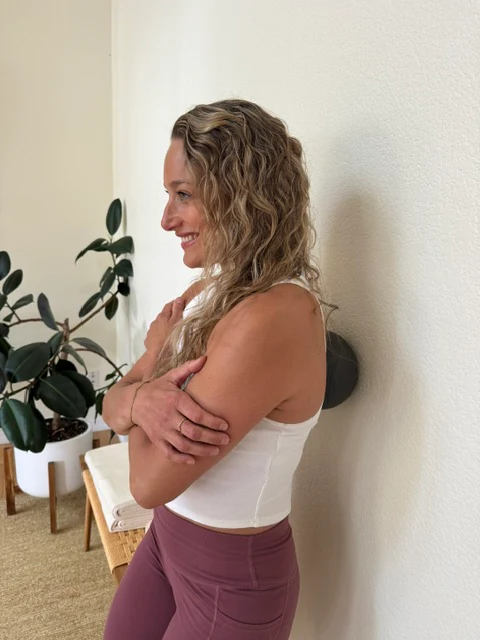
Your recovery protocol shouldn’t require hours daily. Fifteen minutes of focused foam rolling addresses most people’s needs. Many athletes roll while watching TV or listening to podcasts, making the recovery work feel less like training and more like comfortable maintenance. Regular rolling becomes a pleasant ritual rather than another task demanding willpower.
Consistency outweighs intensity. Rolling sporadically produces minimal benefits. Rolling for 15 minutes daily produces remarkable improvements within 2-3 weeks. Your muscles adapt, soreness decreases and your range of motion expands noticeably. These improvements compound over months, creating progressively better recovery and improved training performance.
The Competitive Advantage of Proper Recovery
At advanced fitness levels, recovery separates good athletes from great ones. Everyone trains hard. Everyone pushes themselves. The difference emerges in recovery quality. Athletes who recover better train harder more frequently without accumulating excessive fatigue. They avoid overuse injuries. They progress faster toward their goals. This is why elite athletes prioritize tools like those offered by RAD Innovation—they understand that recovery excellence enables training excellence.
You don’t need elite status to benefit from excellent recovery. Whether you’re a serious athlete, weekend warrior or fitness enthusiast, foam rolling improves your results. You’ll recover faster, feel better and progress steadily toward your goals. Your future self will thank you for investing in proper recovery today.