
Share This Article
In a world where smartphone manufacturers constantly add features, cameras and complexity, minimalist design offers refreshing alternative. Some of the most compelling devices embrace simplicity, focusing on essential functionality without unnecessary additions. This philosophical approach, stripping away everything except what truly matters, creates more elegant, focused devices. Minimalist smartphones prove that you don’t need every possible feature to create exceptional devices. Understanding minimalist design principles helps you appreciate devices that prioritize clarity and restraint over feature checklists. nothing
The Philosophy Behind Minimalist Design
Minimalism in industrial design emphasizes removing everything unnecessary, leaving only essential elements that serve specific purposes. Applied to smartphones, this means eliminating redundant cameras, confusing features and overly complex interfaces. Minimalist design doesn’t mean sacrificing functionality, instead, it means carefully considering every element to ensure it serves genuine user needs. This discipline requires deeper thinking than simply adding features because they’re technically possible. Designers creating minimalist devices make intentional choices about what to include and exclude. The result is often more cohesive, usable and elegant than products trying to include everything. Minimalism reflects confidence that simplicity and focus create better user experiences than complexity and feature abundance.
Streamlined Hardware and Thoughtful Aesthetics
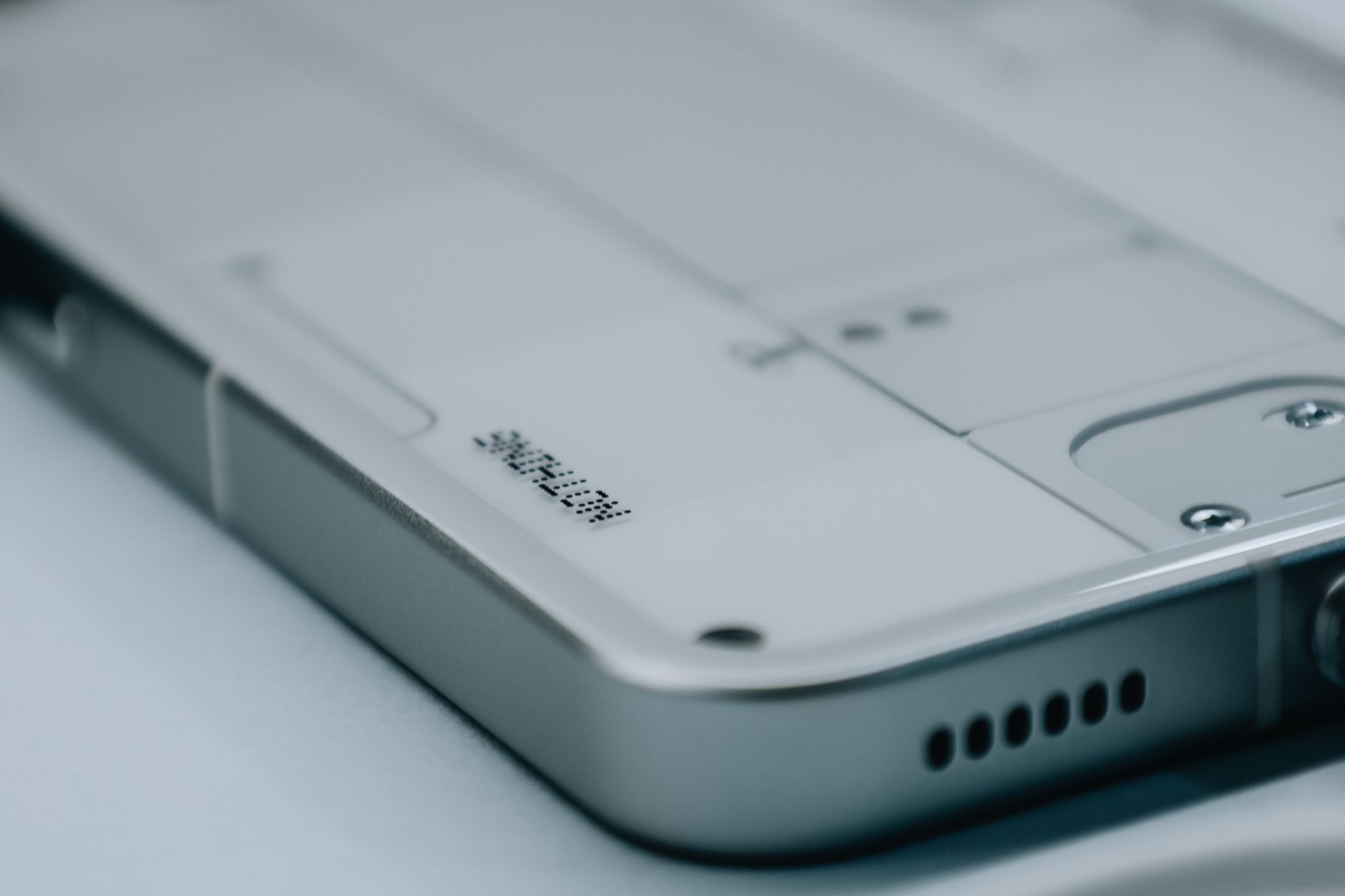
Minimalist smartphones typically feature clean lines, unified materials and restrained color palettes. Fewer cameras simplify the rear design, creating visual harmony rather than camera bump arrangements. Single material construction, whether aluminum or glass, creates visual coherence rather than mixing multiple materials. Restrained color selections emphasize elegance over visual loudness. The back might be nearly featureless except for essential markings. This approach requires confidence that a well-designed single camera outperforms numerous mediocre cameras. Elimination of redundant features means every element on the device serves meaningful purposes. Holding a minimalist phone feels intentional rather than simply collecting technology. Brands like Nothing understand that restraint in design can be more powerful than visual complexity.
Essential Features Without Bloat
Minimalist smartphones still provide everything users actually need, capable processors, good cameras, adequate battery life and clear displays. However, they skip features used rarely or not at all. A single excellent camera often suffices for most users rather than having four cameras of varying quality. Streamlined software removes unnecessary pre-installed apps cluttering the experience. Uncluttered interfaces prioritize core functionality without overwhelming menus and settings. Processing power focuses on making essential tasks faster rather than enabling niche capabilities. Battery capacity provides realistic all-day usage without massive battery bumps. This focused approach means users spend less time navigating options and more time actually using their devices. Performance feels snappier when not burdened with unnecessary background processes.
Core Benefits of Minimalist Design
- Simpler interfaces require less learning and navigation to accomplish daily tasks.
- Reduced physical complexity lowers failure points and potential repair issues.
- Focused feature sets ensure every component serves genuine user purposes.
- Elegant aesthetics create devices users enjoy holding and viewing.
- Long-term durability improves when designs avoid excessive complexity.
Sustainability and Longevity Through Simplicity
Minimalist devices often prove more sustainable than feature-rich alternatives, though counterintuitively. Simpler construction with fewer components means fewer materials, reduced manufacturing complexity and potentially lower power consumption. Devices with fewer cameras and sensors may consume less power overall. Straightforward designs enable easier repairs and component replacement, extending device lifespan. Software focused on essentials uses less processing power and battery energy. Users less tempted by feature abundance may keep minimalist devices longer rather than constantly seeking upgrades. Companies designing minimalist devices often take greater care in every detail, resulting in higher build quality. This combination of simplicity and quality creates devices that last longer and require replacement less frequently. Over device lifespans, this can reduce overall environmental impact despite potential perception that fewer features means lower quality. nothing
The Appeal to Intentional Technology Users
Minimalist smartphones appeal to users who view technology as tools rather than status symbols. These users prioritize devices that support their lives without distracting or demanding constant attention. Simplified interfaces reduce the temptation to endlessly scroll through apps and options. Streamlined design means less visual noise competing for attention. Users appreciate devices that do one thing exceptionally well rather than many things adequately. Professional users often prefer focused devices without feature bloat consuming processing power and battery. Creatives appreciate interfaces that get out of the way and let them focus on actual work. Parents concerned about distraction appreciate phones that don’t have every possible app and feature built in. For anyone frustrated with modern smartphone complexity, minimalist design offers genuine relief. nothing
Challenges and Trade-Offs
Minimalist design requires making hard choices about what to exclude, potentially disappointing users who want specific features. Limited feature sets mean fewer options for specific scenarios, the single camera might not work well in all situations. Users accustomed to feature abundance may initially feel frustrated. Marketing minimalist devices challenges consumer expectations shaped by feature-focused advertising. Minimalist brands must convince consumers that less truly means more. Battery capacity sometimes suffers when designers refuse to increase phone thickness. Processing power might be adequate rather than cutting-edge. However, these trade-offs often prove acceptable to users prioritizing simplicity and clarity. Nothing and similar brands recognize that not all users need everything technology can offer. nothing
The Future of Minimalism in Technology

As devices become increasingly capable, minimalist approaches become increasingly valuable for users overwhelmed by complexity. Simplification appeals to aging populations struggling with modern interfaces. Parents wanting to limit children’s access to features appreciate straightforward devices. Environmental consciousness encourages consumers to consider whether they truly need every possible feature. Technology burnout drives interest in simpler, more focused devices. Minimalist design represents philosophical opposition to planned obsolescence and endless feature chasing. As companies like Nothing demonstrate, there’s genuine market appeal for devices prioritizing clarity and focus. The future likely includes growth in minimalist-oriented devices serving users rejecting feature abundance. This trend suggests technology maturity where less can legitimately be more. nothing
