

Share This Article
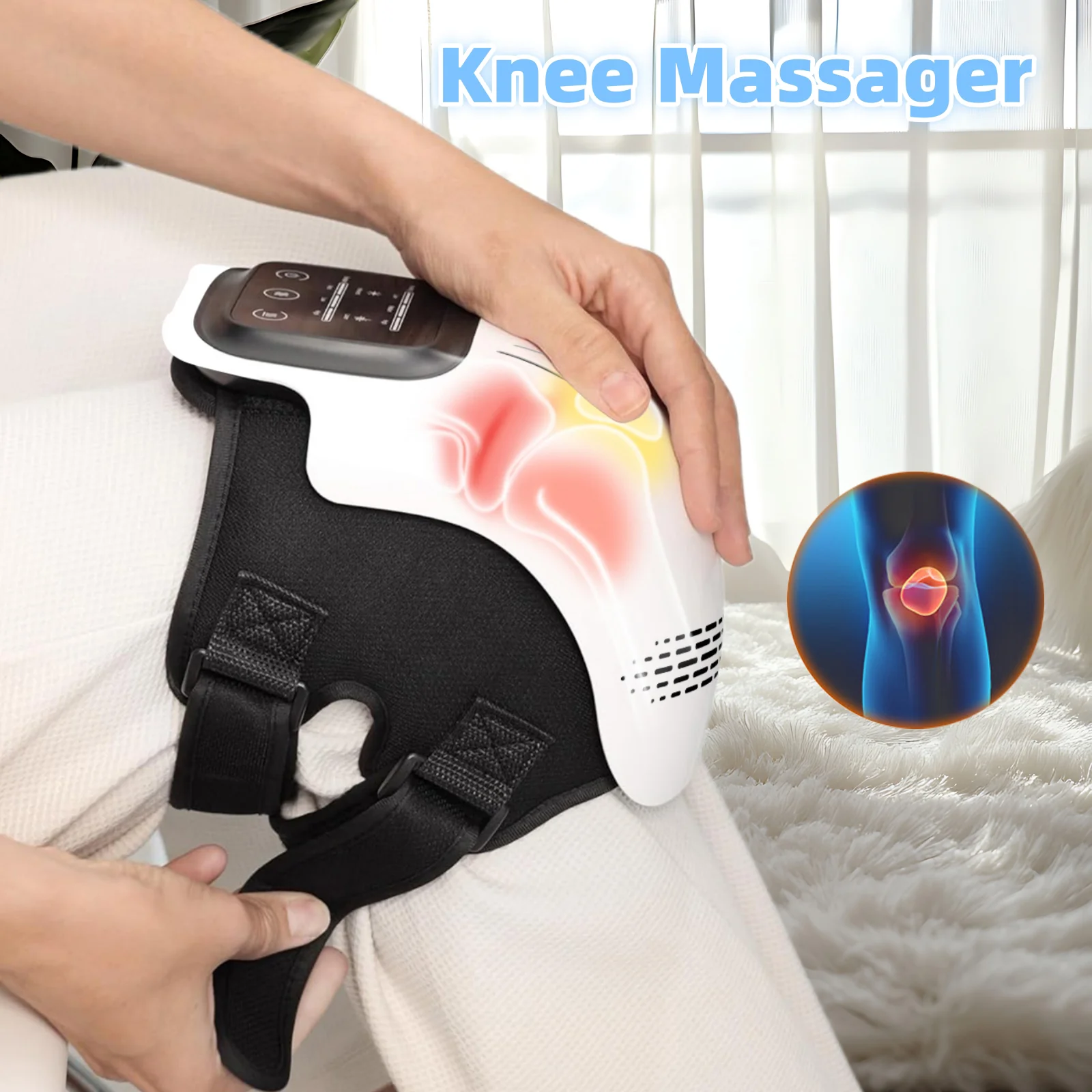
Knee pain creates a frustrating paradox. Physical activity strengthens joints and improves overall health, yet knee discomfort often forces people to reduce activity, creating a downward spiral toward stiffness and weakness. Traditional approaches—resting, ignoring pain, or accepting chronic discomfort—leave people choosing between activity and comfort. Modern knee support technology offers a genuine alternative. Rather than forcing people to choose between active living and pain management, effective knee braces provide stability and support enabling continued movement while allowing healing and recovery. Knee Relief supports combine therapeutic design with practical functionality, transforming how people experience knee health and enabling active lifestyles despite previous injury or chronic concerns.
Understanding Knee Pain and Why Support Matters
Knee pain rarely appears without cause. Previous injuries—sprains, strains, or minor ligament damage—create instability that manifests as chronic discomfort during certain movements. Overuse from repetitive activities like running or cycling gradually stresses joint structures. Age-related cartilage degradation increases friction within the knee joint, creating pain during weight-bearing activities. Misalignment issues force joints to work inefficiently, generating compensatory stress and discomfort.
The challenge with most knee pain is the vicious cycle it creates. Pain causes you to move differently, adopting compensation patterns that stress other parts of the leg. Reduced activity leads to muscle weakness around the knee, diminishing natural joint stability. Weaker muscles mean greater reliance on joint structures to bear load, increasing pain. This cycle intensifies over weeks and months, transforming mild temporary discomfort into chronic limiting pain.
Breaking this cycle requires addressing both the underlying structural issue and the pain causing movement limitation. Effective knee supports provide immediate stability while enabling continued activity that maintains muscle strength and supports healing. This dual approach actually addresses the root problem rather than managing symptoms until they worsen.
How Quality Knee Braces Provide Genuine Relief
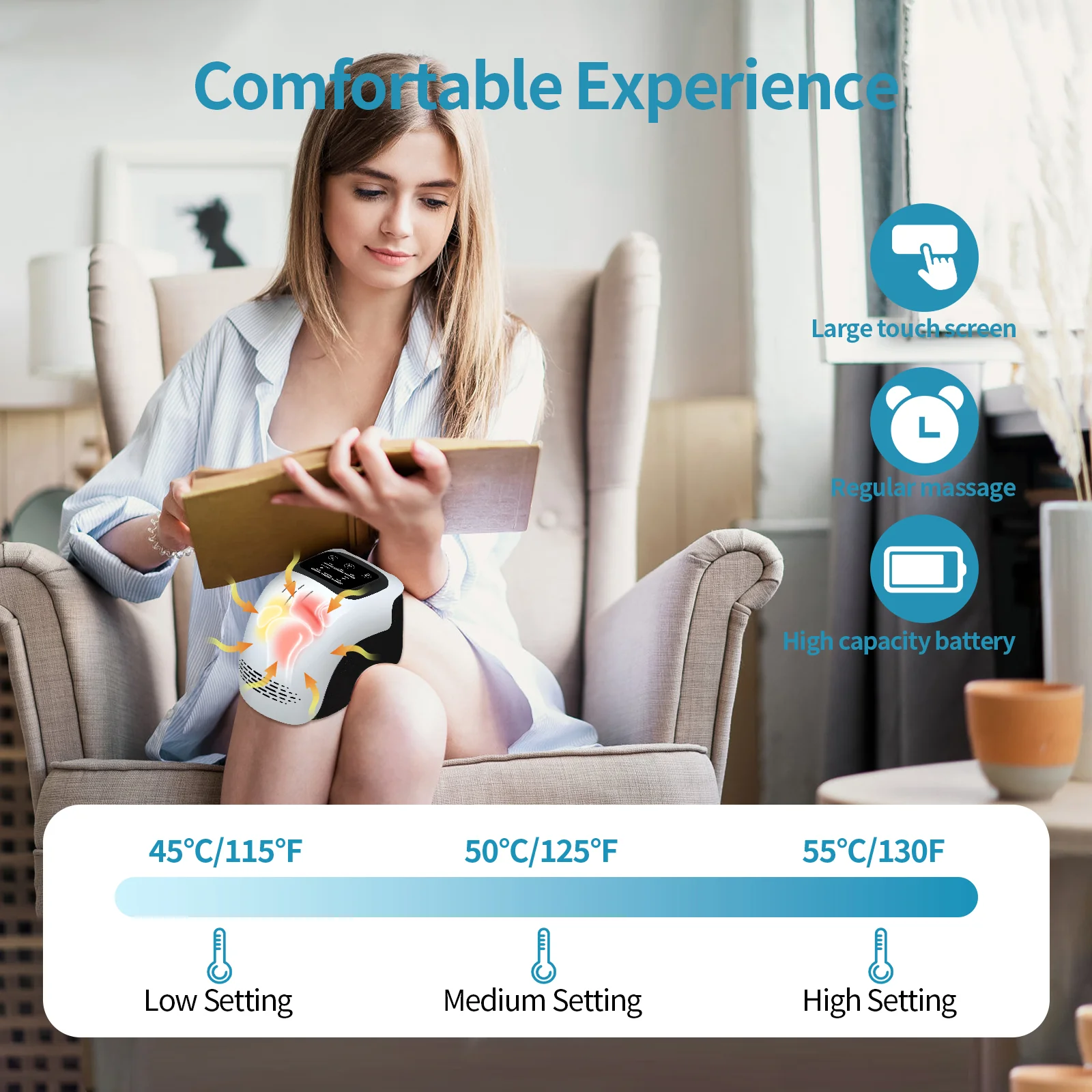
Knee braces work through multiple mechanisms addressing different aspects of knee pain. Compression increases blood flow to supporting tissues, reducing inflammation and swelling that contribute to pain and stiffness. Structural support reduces excessive movement of the knee joint, stabilizing unstable joints and preventing aggravating motions. Muscle engagement cues encourage activation of supporting muscles, gradually rebuilding strength. Combined, these mechanisms reduce pain immediately while creating conditions for actual recovery.
The effectiveness depends entirely on brace quality and design. Cheap supports provide minimal compression and little structural support; they’re essentially elastic bands that temporarily feel supportive but don’t actually address underlying instability. Quality braces like those from Knee Relief incorporate reinforced structures providing genuine stabilization, combine compression materials reducing inflammation, and feature designs that stay in place during activity rather than slipping constantly.
Material quality matters substantially. Breathable fabrics allow all-day wear without skin irritation or moisture accumulation. Secure closure systems maintain compression throughout activity without requiring constant adjustment. Reinforced panels direct support to specific areas needing stabilization—whether that’s the anterior knee, medial support, or lateral reinforcement depending on individual injury patterns.
Active Recovery: Maintaining Fitness While Healing
The moment you experience knee pain, most conventional advice is to stop activity. Rest seems logical—if movement causes pain, avoiding movement should help recovery. Yet complete immobility actually impedes healing. Immobilized joints develop stiffness; unused muscles atrophy; supporting tissues lose strength. Returning to activity after extended rest produces greater stress on already-compromised structures.
Better approach is active recovery—modified movement that allows continued conditioning while protecting the injured area. Wearing proper knee support enables this active recovery. With sufficient stability and pain reduction, you can maintain cardio fitness through lower-impact activities, continue strength training for upper body and unaffected areas, and engage in gentle mobility work that maintains range of motion.
This approach produces markedly better outcomes than rest alone. People recovering from knee injuries with proper support return to normal activity faster and with greater strength than those immobilized for months then attempting to rebuild everything. The gradual continued movement maintains conditioning and allows progressive return to normal activities as the knee stabilizes.
Comfort Solutions for Chronic Knee Concerns
Not all knee pain results from injury. Chronic conditions—arthritis, patellar tracking issues, general instability from age or genetics—produce ongoing discomfort without acute injury requiring healing. For these situations, supportive braces address the root problem: inadequate joint stability creating pain during activity.
People with chronic knee issues often accept activity limitation as inevitable. They modify their lives—avoiding stairs, limiting walking, abandoning exercise—resigned to progressive decline. This perspective misses that quality support often enables return to normal activities. The same walking that produces knee pain with poor support becomes comfortable with effective stabilization. Activities abandoned months or years earlier become possible again.
Knee Relief products address chronic concerns through designs prioritizing long-term wearability and consistent support. Unlike rigid braces uncomfortable for extended wear, these supports balance structure with comfort—you can wear them throughout your day without constant adjustment or discomfort.
Choosing Support Matching Your Activity Level
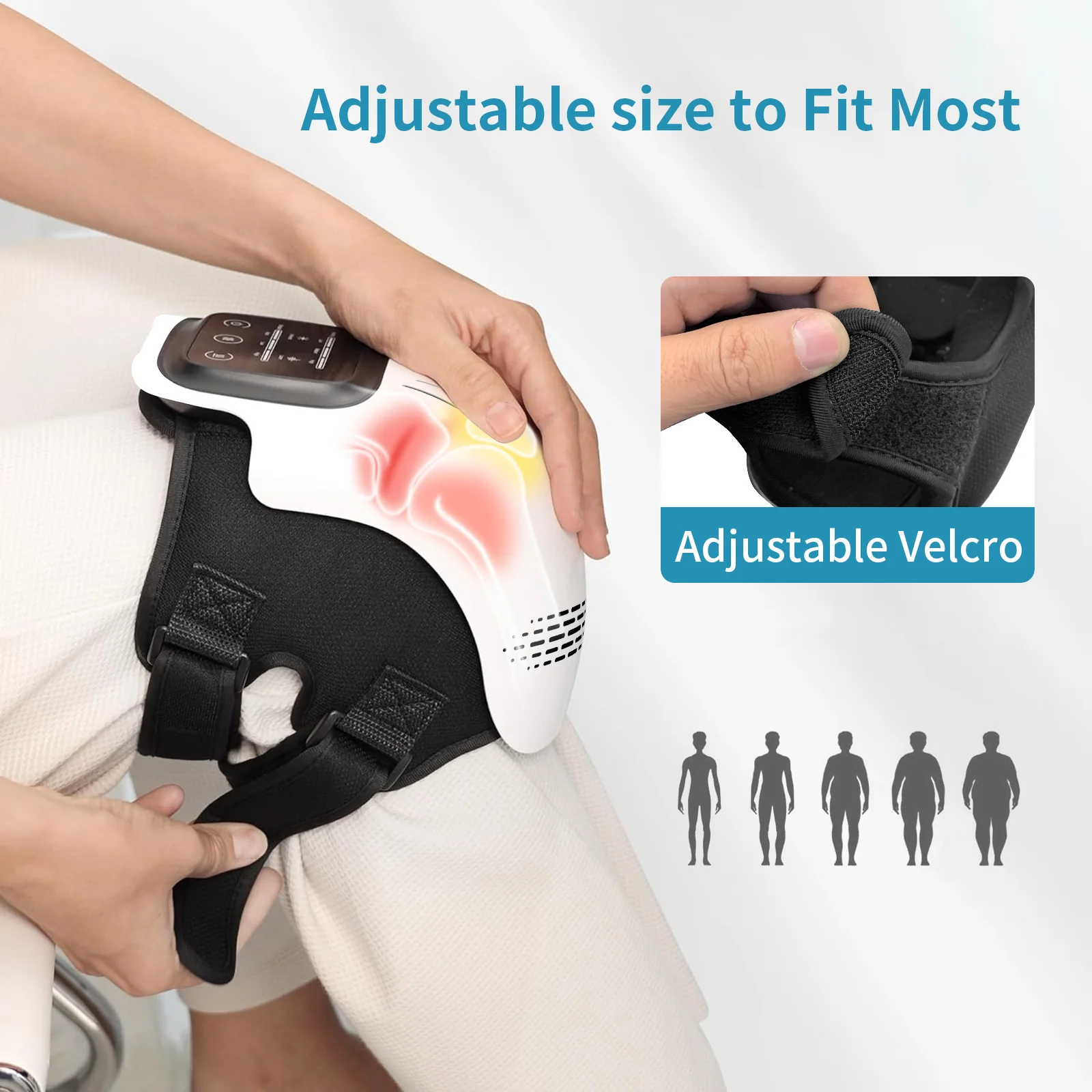
Knee support needs vary dramatically based on activity level. Sedentary people needing support for basic walking require different solutions than athletes demanding stability during intense activity. Light support provides compression and mild stabilization suitable for everyday movement and chronic pain management. Moderate support adds structural reinforcement for recovery from minor injuries or demanding daily activity. Intense support provides maximum stabilization necessary for athletic activity or serious injury recovery.
Knee Relief offers support options across this spectrum, allowing selection matching your actual activity requirements. Rather than choosing between insufficient support or uncomfortable over-bracing, you can find the right balance for your situation.
Fit is equally important. Braces that don’t stay in place provide minimal benefit; they slip during activity, require constant repositioning, and create irritation from movement against skin. Quality support designs stay positioned throughout activity through secure closure systems and thoughtful construction that moves with your body rather than shifting separately.
Progressive Return to Strength and Normal Activity
Supporting your knee during recovery isn’t about avoiding movement permanently—it’s about enabling movement while healing occurs. As your knee stabilizes through gradual continued activity, dependence on support naturally decreases. Initial reliance on significant support gradually diminishes as surrounding muscles strengthen, joint stability improves, and pain reduces.
Many people find they transition from all-day support to activity-specific support, wearing knee braces only during exercise or demanding activity while going unsupported during normal daily movement. Others find that months of supported activity eliminates knee pain entirely, allowing complete removal of support. This progression represents genuine recovery—the brace enabled healing rather than masking symptoms.
Even people with chronic conditions often discover that sustained support allows lifestyle improvements making ongoing support worthwhile. They might depend on support indefinitely but regain activities they’d abandoned years earlier. That tradeoff—wearing support to enable active living—is genuinely worthwhile.
Beyond Injury: Preventive Support for Athletes and Active People
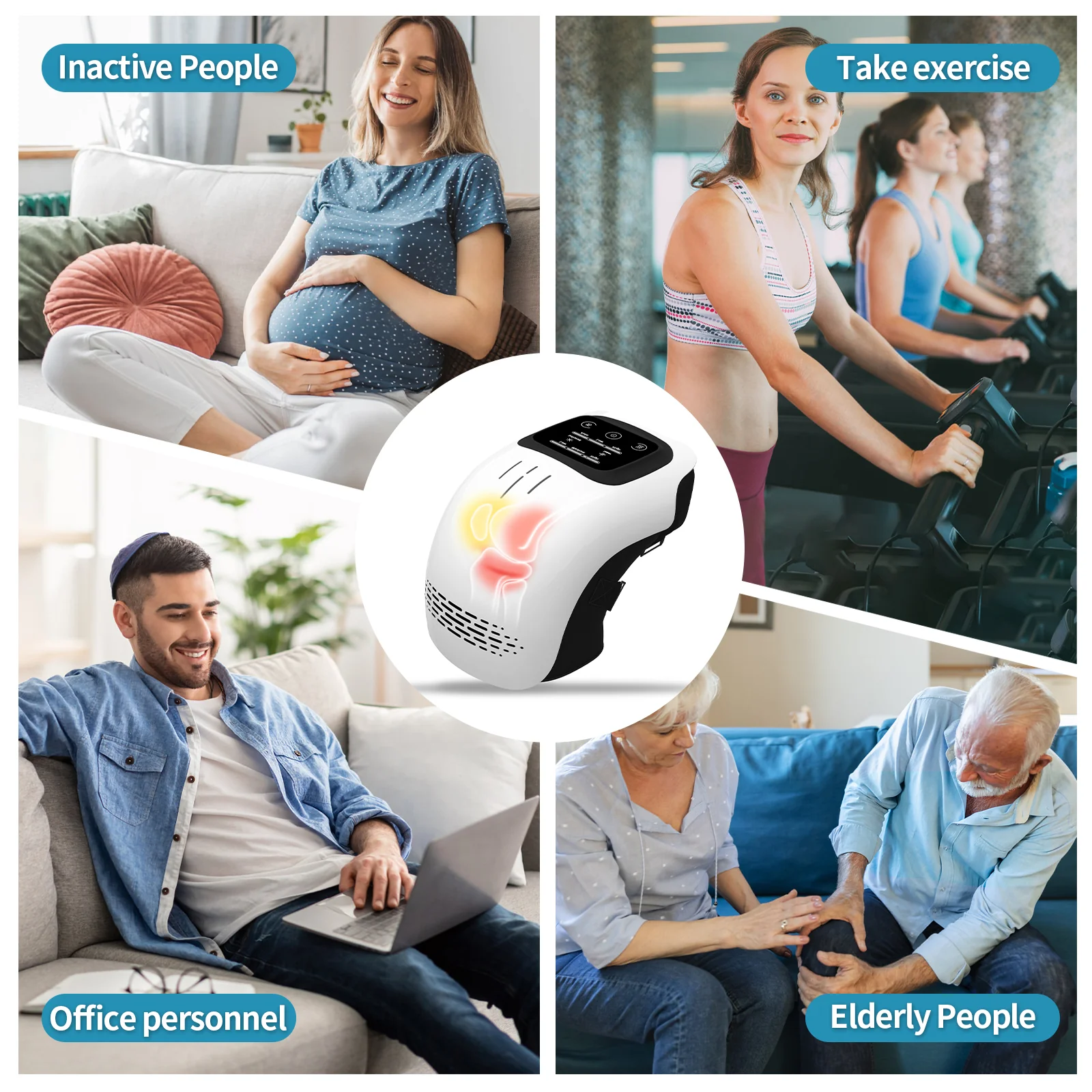
Knee support isn’t reserved for injured people. Athletes and very active people often wear support preventively, reducing injury risk during intense activity. The stability that prevents excessive motion during activity also reduces injury likelihood. People doing high-impact sports, heavy lifting, or intense endurance training often benefit from prophylactic support even without previous knee issues.
Prevention through support is far more effective than injury management. Avoiding knee damage in the first place beats recovering from injury. Quality knee supports enable confident athletic performance, allowing athletes to push intensity knowing their knees are protected appropriately.
Practical Solutions for Genuine Knee Health
- Compression and structural support reduce pain immediately while addressing underlying instability causing chronic discomfort.
- Active recovery enabled by quality support preserves fitness and muscle strength during healing rather than forcing complete immobilization.
- Diverse support levels allow matching your actual activity requirements rather than choosing between insufficient or excessive support.
- Quality materials and secure design maintain comfort and effectiveness throughout extended wear without constant adjustment.
- Progressive strength improvement allows gradual reduction of support dependency as healing advances and muscle strengthens.
- Preventive support reduces injury risk for athletes and active people, enabling confident high-intensity performance.
Knee health determines quality of life more than most people realize. Painless movement—walking, stairs, exercise, play—becomes impossible once knees fail. Yet modern support technology enables continued activity despite injury or chronic concerns. Rather than accepting pain as inevitable decline, quality knee supports from Knee Relief restore the freedom to move confidently. Whether you’re recovering from injury, managing chronic pain, or preventing damage during intense activity, appropriate support transforms how you experience daily movement and physical living.