
Share This Article
Flight tracking apps have taught a generation to glance at a phone screen whenever a plane rumbles overhead. A live flight tracking display takes that same curiosity and puts it on a shelf, running continuously without anyone opening an app or signing into anything. NearestPlane (UK) builds hardware around that idea, and the way it is set up and supported looks quite different from scrolling a free tracker on a phone.
What Sets NearestPlane Apart From Free Flight Tracker Apps
Free flight tracker apps work well enough when someone wants to look something up once. However, they require a phone to be unlocked, an app to be opened, and a search to be run before any information appears. NearestPlane removes that friction entirely by sitting on a shelf as a dedicated live flight tracking display that is already showing the nearest aircraft before anyone thinks to look for one.
The physical presence also changes how the information gets used. A plane noise outside becomes something to glance at rather than something to investigate on a screen. The device is handmade in the UK, which separates it from software products that exist only as a download.
The LED Display Hardware: Design and Real Airline Colour Coding
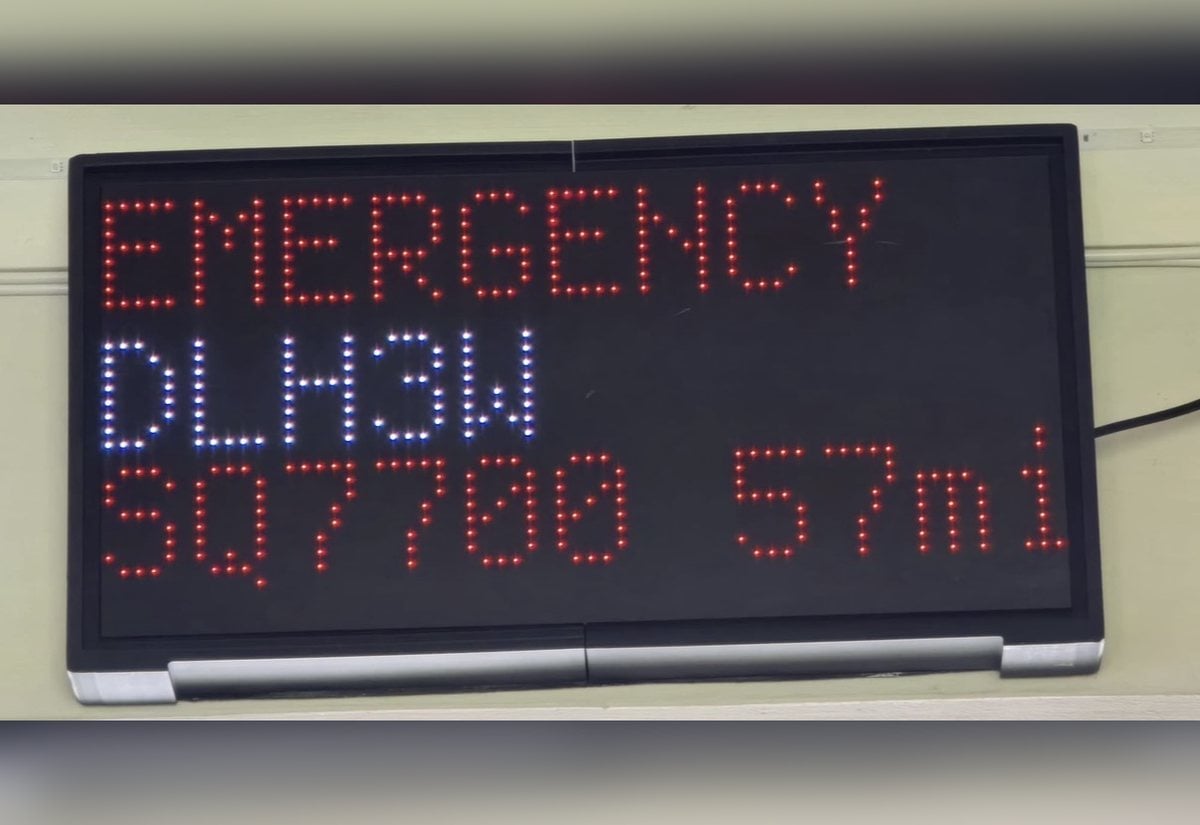
The core of the device is a WiFi-connected LED display that renders each aircraft in its actual airline livery colour rather than a generic icon. Around 5,900 airlines are built into the system, so a British Airways aircraft glows in British Airways colours rather than a default white or grey. Alongside the colour, the display shows route, altitude, speed, distance, and bearing for whichever aircraft is nearest.
That bearing detail matters more than it might first appear, because it tells someone which direction to actually look outside. The hardware itself ships ready to go, with no account creation and no app download required for the core function. NearestPlane (UK) describes the setup as a five-minute process from unboxing to a working display.
How NearestPlane Updates Every 30 Seconds Without a Subscription Model

The display refreshes with a new aircraft every 30 seconds, pulling from live aircraft broadcast data so the screen is rarely showing the same flight twice. There is no subscription attached to that refresh cycle. The listed structure is pay once, and the device is described as working indefinitely from there, with free updates delivered over WiFi.
This is a meaningful point of difference against software trackers that gate certain features behind recurring payments. A live flight tracking display that keeps running without an ongoing fee changes the long-term relationship with the product, since there is no monthly reminder to manage or cancel.
Setting Up Without an App: Browser-Based Configuration and Control
Because there is no companion app, configuration happens without the usual account creation and permissions screens that come with most smart home gadgets. The brand states plainly that no app or account is needed to get the display running. Any adjustments, such as tracking a specific flight, are handled by typing a flight number on a phone rather than installing dedicated software.
That flight-tracking mode lets the display follow a specific flight number anywhere in the world, gate to gate, rather than only showing whatever happens to be nearby. It is offered as a free mode rather than an add-on purchase. Support beyond setup is handled personally, with NearestPlane (UK) offering direct contact through WhatsApp with a named team member, Harry.
Emergency Detection and Special Aircraft Identification
One of the more distinctive features is built-in emergency detection. The display turns red when it detects a 7700 emergency squawk code, a feature that is on by default rather than something to be switched on separately. The brand notes this is rare enough that many displays go months without showing one.
Beyond emergencies, the display also names specific categories of aircraft rather than leaving them as an anonymous callsign. Royal, government, military, police, and air-ambulance aircraft are identified by name when they appear nearby. That level of identification goes further than a typical consumer flight tracker app, which commonly just displays a flight number without context.
- The moment it is plugged in, the display begins naming the airline of the nearest aircraft in that airline’s own brand colour.
- It shows route, altitude, speed, distance, and bearing data that refreshes with a new aircraft roughly every 30 seconds.
- It identifies royal, government, military, police, and air-ambulance aircraft by name rather than as a plain callsign.
- It turns red automatically to flag a 7700 emergency squawk, a setting enabled by default from first use.
- It can be pointed at any specific flight number from a phone, following that flight gate to gate anywhere on earth.
Build Quality, Support, and Long-Term Value Versus Typical Connected Displays
Where many aviation-themed décor items compete mainly on novelty, NearestPlane positions itself around build origin and ongoing support rather than looks alone. The device is handmade in the UK, and the brand highlights direct, personal support through WhatsApp rather than a generic ticketing system. That combination of a physical, UK-made product with a named point of contact is a different proposition from a mass-produced display with anonymous customer service.
Long-term value is also framed differently. Because NearestPlane (UK) does not run on a subscription, the ongoing cost consideration that applies to many connected gadgets does not apply here in the same way. Reviews cited by the brand put it at a 4.92 out of 5 rating from 250 reviews, and the company reports more than 3,000 displays sold across more than 50 countries. Those figures speak to an established base of continuous live flight tracking display usage rather than a one-off gadget purchase.
The brand also positions the display across several audiences rather than a single niche. Pilots who enjoy the hobby side of flying, plane spotters who cannot always get to a vantage point, and frequent flyers who want a reminder of the sky at home are all mentioned in NearestPlane (UK)‘s own gift guides as people the display suits. That range suggests the hardware is built to function as a general aviation-interest object rather than a tool for one specific job.
A live flight tracking display like this one is ultimately judged by whether it keeps getting looked at after the first week. With continuous updates, no subscription to maintain, and a design built around real airline identity, this display aims squarely at that long-term habit rather than a one-time novelty.
