
Share This Article
Fashion as an inclusive practice remains relatively recent in retail history. For decades, mainstream retailers ignored substantial segments of the population, forcing individuals outside conventional sizing parameters to seek specialized boutiques or accept ill-fitting mass-market compromises. Today’s fashion landscape increasingly recognizes that authentic style transcends arbitrary size categories, true fashion celebrates diverse body types and empowers all individuals to dress with confidence and intention.
The shift toward inclusive sizing represents both ethical evolution and market recognition. Lane Bryant pioneered this approach decades ago, understanding that comprehensive size offerings attract broader audiences while honoring the fundamental principle that all bodies deserve stylish, well-fitting clothing. This philosophy challenges outdated fashion norms while expanding possibilities for personal expression.
Body Diversity and Style Fundamentals
Effective personal styling begins with understanding individual proportions and selecting pieces that enhance rather than minimize body reality. Pear-shaped silhouettes benefit from tops with visual interest and bottoms in solid colors that ground the proportions. Apple-shaped bodies look striking in structured pieces emphasizing smaller sections while drawing attention upward. Hourglass silhouettes shine in fitted pieces that celebrate curves. Rectangle body types gain dimension through layering and textured pieces creating visual depth.
These distinctions serve not to restrict but to empower. Understanding how fabric drape, color placement and proportion work with individual physiology enables intentional styling choices. Lane Bryant recognizes that inclusive sizing means nothing without thoughtful design, each piece must be engineered for its intended body type, not simply scaled from narrower sizing categories.
Pattern, Proportion and Visual Balance
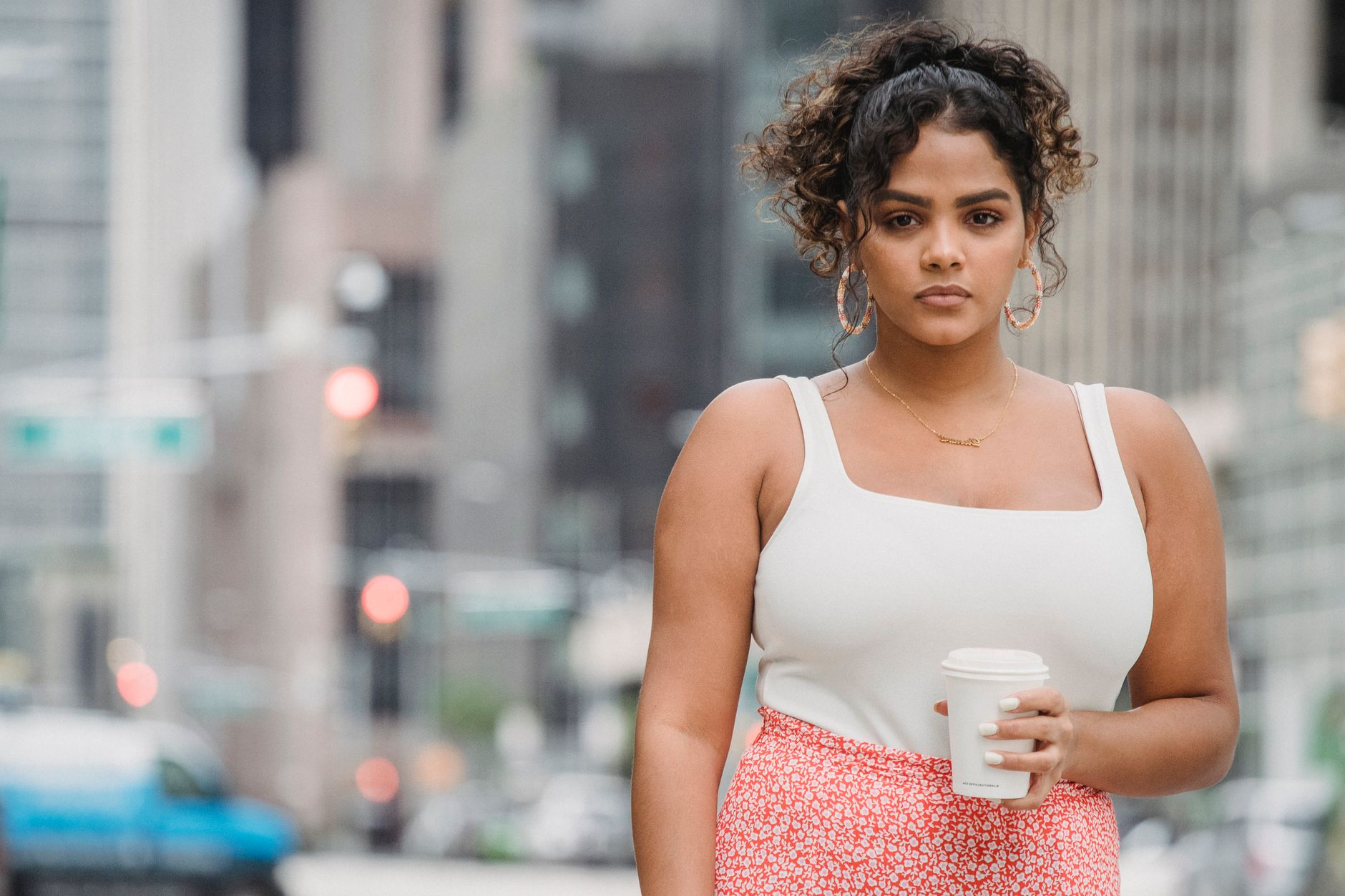
Pattern usage transforms basic pieces into statement items while serving strategic visual purposes. Horizontal stripes create width; vertical patterns elongate; all-over patterns can streamline appearances depending on scale and color. Proportion relationships shape perceived silhouette, cropped tops with high-waisted bottoms create lengthening lines, while oversized pieces offer comfort without sacrificing polish. Color placement strategically emphasizes or downplays specific body sections.
These styling principles apply universally regardless of body type, yet their execution requires thoughtful consideration of individual proportions. A cropped top flattering on one physiology might feel unflattering on another; oversized pieces drape differently across body types. Lane Bryant invests in design expertise recognizing these distinctions, offering pieces that actually work with diverse body realities rather than presenting generic styling advice.
Building Confidence Through Clothing Fit
Well-fitting clothing possesses transformative psychological power. Garments that accommodate actual body dimensions rather than forcing bodies into predetermined categories allow individuals to move freely, breathe easily and present authentically. This physical comfort translates into emotional confidence, individuals wearing properly fitted clothing carry themselves differently, demonstrate increased engagement and project greater self-assurance.
The relationship between fit and confidence extends beyond individual psychology. When society acknowledges through fashion offerings that diverse body types deserve quality clothing, cultural messages shift. Normalized inclusivity in retail spaces, seeing diverse body representations in advertising and product photography, validates individual experiences while challenging restrictive beauty standards. Lane Bryant demonstrates this commitment through diverse model representation and realistic sizing from XL and beyond.
Essential Categories for Inclusive Fashion
- Basics engineered for diverse body types including fitted tees, tanks and layering pieces in neutral colors.
- Structured pieces like blazers, button-ups and structured dresses that provide polished appearance across body types.
- Bottoms in multiple rise options and cuts designed for different proportional relationships.
- Outerwear scaled for diverse frames ensuring proper sleeve length and overall proportion.
- Occasion wear celebrating individual style while providing options for formal and social events.
Beyond Sizing Representation and Cultural Impact

Inclusive fashion extends beyond numerical size categories to encompass age, ability, gender identity and cultural representation. Contemporary fashion increasingly features models of varying ages, abilities and backgrounds, a shift acknowledging that style belongs to all people regardless of demographic category. This representation shapes cultural narratives, challenging restrictive definitions of who deserves fashion access and self-expression.
Marketing imagery influences self-perception and purchasing confidence. Seeing body types similar to one’s own represented in aspirational fashion contexts validates style aspirations and purchases. Lane Bryant recognizes this impact, featuring diverse representation throughout marketing materials and customer-focused content.
Sustainability and Thoughtful Consumption
Inclusive fashion encourages longer-term relationships with purchased pieces. Well-fitting garments that accommodate actual body dimensions receive more wear than ill-fitting alternatives destined for closet relegation. Higher wear rates translate to lower replacement frequencies, reducing overall consumption and environmental impact. Quality construction combined with proper fit extends garment lifespan, supporting sustainable fashion practices.
This approach stands in direct opposition to fast-fashion consumption patterns requiring constant replacement due to poor quality or inadequate sizing. Thoughtful, inclusive fashion selections reduce waste while increasing personal satisfaction. Investing in quality pieces that fit well and serve diverse occasions creates wardrobes supporting long-term wear rather than seasonal cycling through trendy but ultimately disposable alternatives.
Inclusive fashion represents evolution toward recognizing that authentic style belongs to all people regardless of body type, age, ability or demographic category. Lane Bryant exemplifies this principle through comprehensive sizing, thoughtful design engineering and diverse representation that celebrates body diversity. The result transforms fashion from exclusive luxury into democratic practice where every individual accesses quality, well-fitting clothing supporting confident personal expression. This shift toward inclusivity benefits not merely individual consumers but broader cultural conversations about beauty, acceptance and the fundamental human right to dress oneself with intention and pride.
