
Share This Article
Start With the Hazards in Each Area
Home safety devices work best as a system because different hazards appear in different places. Smoke detection, carbon monoxide monitoring, heat alarms and water leak sensors solve different problems and should not be treated as interchangeable. X-Sense offers smart smoke alarms, carbon monoxide alarms, heat alarms, water leak sensors, environmental monitors and radon detectors, so a household can map devices to risks instead of buying several alarms without a placement plan.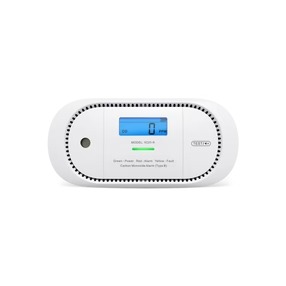
Bedrooms and circulation areas need smoke detection according to local codes, while fuel-burning appliances create carbon monoxide considerations. Kitchens and garages may require different alarm types because ordinary cooking or temperature changes can produce conditions unlike those in a bedroom. Water leak sensors are most useful near appliances, pipes, basements and other places where a small leak can develop unnoticed.
Local fire and building guidance should remain the authority for required locations and device types. Smart features can improve alerts and monitoring, but they do not replace code compliance. A household moving into a new property should review existing alarm dates and placement before assuming the installed system is adequate.
Use Connectivity to Improve Awareness Rather Than Dependence
Smart devices from X-Sense can provide app alerts, device status and interconnected behavior on supported models. These features can be valuable when nobody is in the room where an alarm starts, yet the physical alarm should remain the core safety function. A phone notification is useful additional information, not a reason to reduce the number of properly located alarms.
Interconnection can be especially helpful in larger homes. When one alarm detects danger, other alarms can alert occupants who are farther away. Voice location features on some devices can add context about where an alarm originated. The household should learn how its specific network behaves and test the system after installation rather than waiting for an emergency to discover how notifications work.
Wi-Fi and base-station placement should be part of the setup. A weak connection can affect remote features, and router changes can disconnect devices. Login credentials and app access should be managed securely, while at least one responsible adult should know how to test, silence and reset the system without relying on guesswork.
Power outages should be considered when smart features are part of the safety plan. Battery-powered alarms can continue functioning locally even when home internet is unavailable, while app notifications may depend on network and power conditions. Routers, base stations and mobile phones can all fail at the same time during a major event. For that reason, occupants should recognize the physical alarm sounds and know the evacuation route without consulting an app. Emergency contact numbers, keys and essential medication can also be kept in predictable locations so the household response does not depend on one connected device.
Checks for a More Reliable Safety Setup
- Alarm placement should follow local regulations and the instructions for each device type.
- An X-Sense alarm should be tested at the recommended interval and battery warnings should never be ignored.
- Manufacture or replacement dates should be recorded because alarms have a limited service life.
- Water leak sensors should be positioned where early detection is possible without exposing them to routine splashes that cause nuisance alerts.
- Every household member should know the evacuation plan and understand that an alarm requires action rather than app troubleshooting.
Maintain the System as the Home Changes
Safety coverage should be reviewed after renovations, new appliances or changes in household layout. X-Sense products can be added across several hazard categories, but extra devices are useful only when they are installed correctly and maintained. A new fuel-burning heater, finished basement or relocated laundry area may change where monitoring is most important.
Regular cleaning and testing help reduce false alarms and missed faults. Dust should be removed according to the product instructions, sensors should not be painted or covered and damaged units should be replaced. App software can be kept current, but firmware updates should not be allowed to distract from the physical condition of the alarm itself.
A layered home safety system combines detection, communication and a clear response plan. X-Sense can support that structure with connected alarms and sensors, but technology works best when the household also maintains batteries, understands alarm sounds and practices evacuation. The goal is not a home full of devices. It is earlier warning and faster action when a real hazard appears.
A household should also keep spare batteries or replacement units according to the product guidance rather than waiting for a low-battery alert during a busy week. Testing dates can be added to a calendar so maintenance does not depend on memory. If one device repeatedly disconnects or reports faults, the cause should be investigated instead of simply silencing notifications. Reliability comes from responding to small warnings before they become permanent gaps in coverage.