
Share This Article
Birdwatching is becoming more accessible as modern technology brings wildlife closer to everyday life. Traditional feeders attract birds into gardens, while smart feeders make it possible to observe their behavior through cameras and mobile applications. With innovative products from Birdfy, nature enthusiasts can discover visiting species, capture memorable moments and develop a deeper understanding of the birds living around their homes.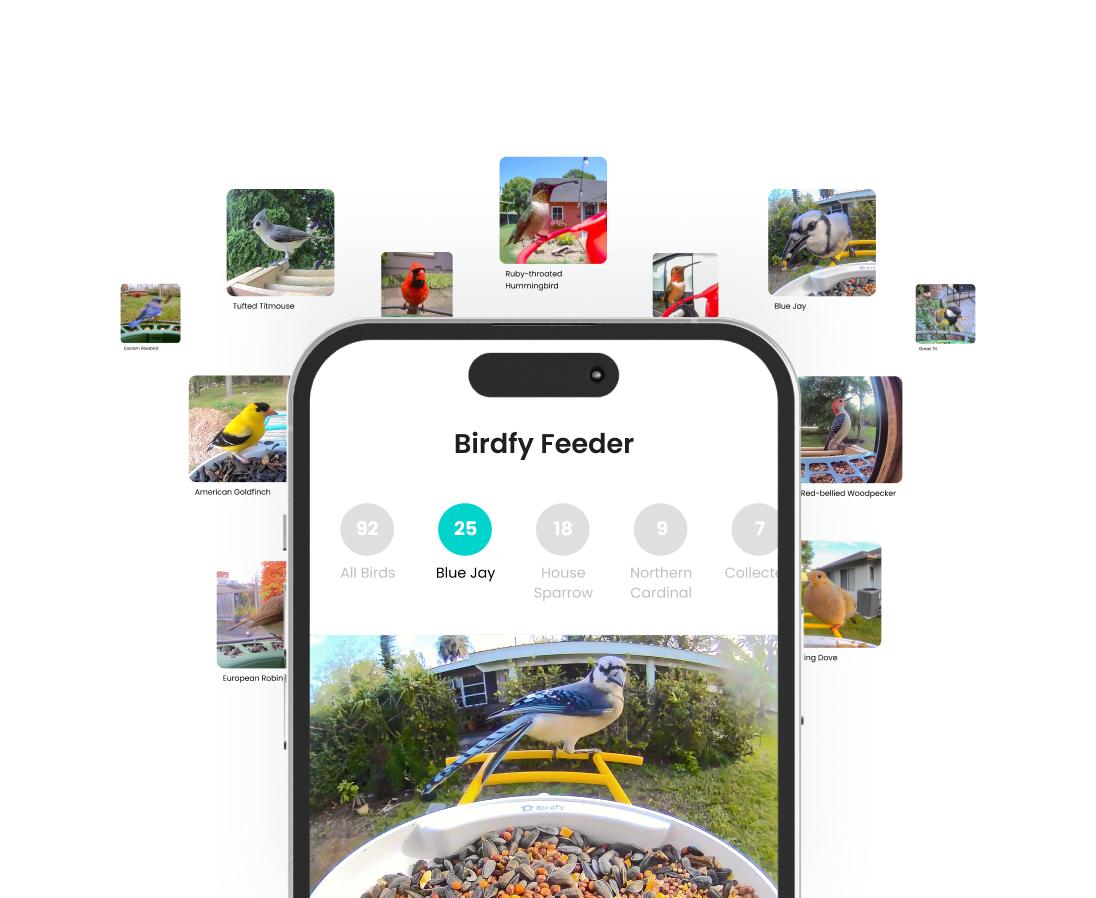
A Closer Look at Everyday Wildlife
Backyard birds often appear briefly before disappearing into surrounding trees or shrubs. Their quick movements make detailed observation difficult, particularly when people cannot spend extended periods watching a feeder. Smart camera feeders address this limitation by recording visits automatically and allowing footage to be reviewed later. The technology transforms a simple feeding station into a convenient wildlife observation point. High-definition cameras reveal feather patterns, feeding movements and interactions that might otherwise go unnoticed. Small details become easier to recognize, helping observers appreciate the distinctive characteristics of different species. The smart feeders developed by Birdfy combine familiar bird-feeding designs with built-in cameras and mobile connectivity. Depending on the model, features include wide-angle recording, high-resolution video, night vision and optional solar charging. These capabilities support observation without requiring someone to stand near the feeder. Birds can approach the feeding area naturally while the camera records their activity. Recorded footage also creates opportunities to notice behavioral patterns. Regular visitors may develop recognizable routines, while occasional guests introduce variety into the garden. Over time, these small observations can create a more detailed picture of the wildlife sharing a particular outdoor space.
Intelligent Features That Make Bird Identification Easier
Identifying birds traditionally requires field guides, careful observation and familiarity with local species. Artificial intelligence introduces another way to approach the process by analyzing recorded images and suggesting possible identifications. Selected smart feeders from Birdfy support AI-powered recognition covering more than 6,000 bird species. The technology can help distinguish visitors and provide useful information about their characteristics. Recognition availability depends on the device and selected service plan. The accompanying mobile application extends the experience beyond identification. Users can access live video, receive notifications when birds arrive and revisit automatically recorded clips. These features reduce the need for continuous monitoring while preserving opportunities to discover interesting activity. For beginners, identification assistance can provide a starting point for learning. Experienced birdwatchers may appreciate the opportunity to compare recorded visitors and investigate less familiar species. AI suggestions are not always definitive. Similar-looking species, unusual lighting and partially obscured birds can affect recognition accuracy. Comparing automated results with established identification guides remains a valuable practice. By combining digital assistance with traditional observation, smart feeders help develop curiosity rather than replace the learning process.
Creating a Comfortable and Effective Birdwatching Setup
A successful feeding station depends on more than camera quality. Its location, available food and regular maintenance influence whether birds visit consistently and safely. The range offered by Birdfy includes different feeder styles, including wooden designs and more durable metal options. Camera specifications and power arrangements vary between models, making the surrounding environment an important consideration.
Several practical principles can help establish an inviting observation area.
- Choose a sheltered position that provides birds with nearby cover while maintaining a clear camera view.
- Select appropriate food according to the species commonly found in the surrounding region.
- Clean feeding surfaces regularly to reduce contamination and support healthier feeding conditions.
- Check connectivity and power to maintain reliable recording throughout different weather conditions.
Feeders should also be positioned with window-collision risks in mind. Placement close to a window or sufficiently far from it, following established bird-safety guidance, can help reduce dangerous impacts. Regular cleaning is particularly important during wet weather, when moisture can spoil stored seeds. Appropriate drainage and fresh food help maintain a more suitable feeding environment. A well-planned setup improves both the reliability of recorded footage and the everyday experience of visiting birds.
Turning Short Visits Into Meaningful Nature Experiences
One of the most interesting aspects of smart birdwatching is the ability to revisit moments that would traditionally disappear within seconds. A bird landing on a perch, an unexpected visitor approaching the feeder or two species interacting can become part of a personal wildlife collection. The connected ecosystem developed by Birdfy makes recorded observations easier to review and share. Its free application includes live viewing and bird alerts, while available recognition services provide additional learning opportunities. Families can use recorded clips to introduce children to local wildlife, encouraging conversations about habitats, feeding preferences and seasonal changes. Photography enthusiasts can study bird movements and visual details, while casual observers can enjoy the simple experience of discovering new visitors.
Repeated observations can also reveal changes in activity across different periods. Some species appear consistently, while others visit less frequently. Keeping records of these patterns can encourage further interest in migration, biodiversity and the importance of suitable habitats. Technology works best when it complements responsible wildlife care. Reliable equipment, appropriate feeding practices and respect for natural behavior remain essential. Ultimately, smart bird feeders offer more than convenient video recording. They create opportunities for closer observation, ongoing learning and a more personal connection with the natural world. Everyday gardens can become engaging spaces for discovering the diversity and character of local birdlife.
