
Share This Article
Most people who decide to take up cycling make the same mistake: they buy the cheapest bike available, use it for a few weeks, then abandon it in a garage. The bike collects dust not because cycling isn’t enjoyable, but because that cheap bike made cycling unenjoyable. Poor geometry meant discomfort. Heavy weight meant exhaustion on hills. Unreliable shifting meant frustration. Bad brakes meant uncertainty about stopping. The experience was miserable, so cycling stopped. A quality bike transforms everything. Suddenly hills are manageable. Long distances feel achievable rather than punishing. Shifting is smooth and responsive. Braking is confident and powerful. The difference between struggling on a cheap bike and riding a good one is the difference between hating cycling and loving it. Understanding what makes a bike perform well, how to maintain it properly, and how to choose one that matches your actual cycling goals separates people who cycle regularly from people with expensive garage decorations. The right bike doesn’t just change your experience, it changes whether you actually ride.
Understanding Bike Geometry and Fit
Bike geometry determines comfort and efficiency. A bike that doesn’t fit your body creates pain and fatigue. Seat height matters, too high or too low strains knees. Reach to the handlebars matters, too stretched creates shoulder and neck pain; too compact causes back strain. Frame size matters, a frame sized for someone 6 feet tall will be wrong for someone 5’2″. Most cheap bikes come in generic sizes that fit nobody perfectly. Quality bikes offer multiple frame sizes and adjustable components (seat position, stem angle) that allow fine-tuning to your proportions. Getting fit properly at a bike shop means the mechanic measures your inseam, arm length, and torso length, then sets up the bike specifically for you. This single adjustment transforms comfort dramatically. Someone riding an improperly-fitted bike for hours will develop pain. The same person on a properly-fitted bike can ride comfortably for hours. Beyond comfort, fit affects efficiency, a properly-fitted rider can generate more power with less effort. Quality bikes like those from PARDUS come in multiple frame sizes and allow adjustments to ensure proper fit for your body.
Components That Determine Performance
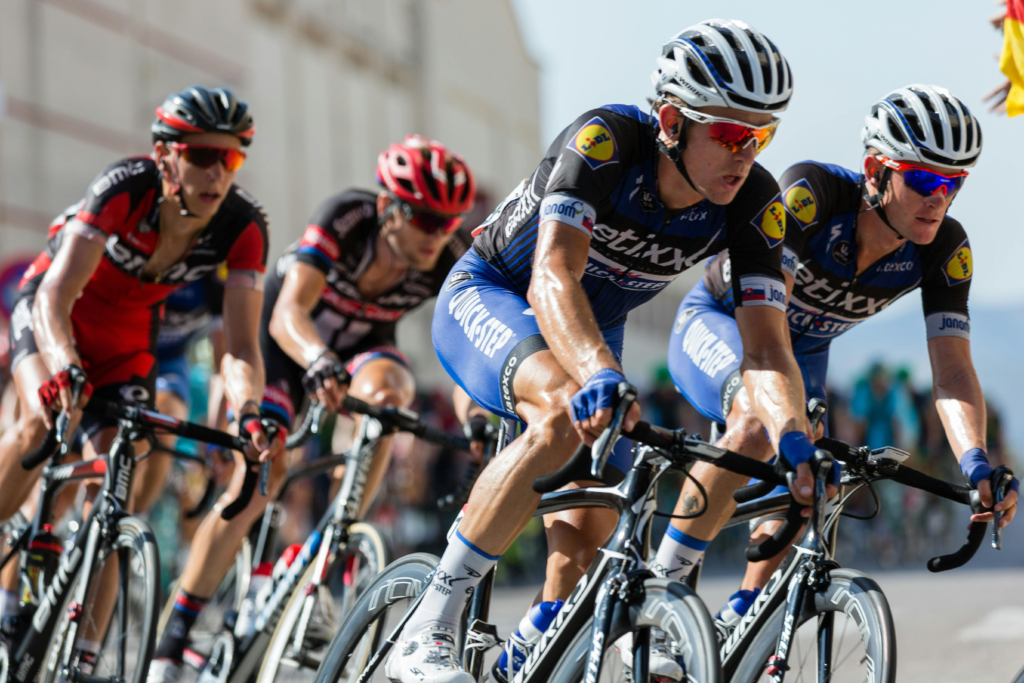
A bike’s performance depends on its components, drivetrain, brakes, wheels, and suspension (if applicable). Cheap bikes use low-quality components that feel sluggish and require constant adjustment. The shifting is imprecise, requiring multiple attempts to find the right gear. Brakes are weak, requiring serious hand pressure to stop. Wheels are heavy and drag. Everything feels like it’s fighting you. Quality components, by contrast, respond immediately to input. Shifting is smooth and instantaneous. Brakes are powerful and modulate easily. Wheels are light and roll freely. The bike feels like an extension of your body rather than something you’re fighting. The difference in cost between cheap and quality components is substantial, sometimes 50-100% of the bike’s price, but the performance difference is transformative. Someone riding a cheap drivetrain on hills will feel exhausted and frustrated. Someone on a quality drivetrain will find the same hill manageable because the components aren’t fighting them. PARDUS bicycles feature quality drivetrain and brake components that perform reliably across different terrain and distances.
Frame Material and Durability
Bike frames are made from steel, aluminum, carbon fiber, or titanium. Each material has different characteristics. Steel is durable and affordable but heavy. Aluminum is lighter than steel and affordable. Carbon fiber is light and stiff but expensive and requires careful handling to avoid cracks. Titanium is extremely durable and light but very expensive. Most riders start with aluminum frames, they offer the best balance of performance, durability, and price. Understanding material characteristics helps choose a frame that matches your budget and riding style. Someone planning casual neighborhood rides doesn’t need carbon fiber. Someone racing competitively might justify the extra cost. Most riders benefit from aluminum, it’s light enough for decent climbing, durable enough for rough terrain, and affordable enough that replacing a damaged frame isn’t financially devastating. Beyond material choice, frame design affects how the bike handles. Geometry determines whether a bike is suited for road riding (efficient on pavement), mountain biking (capable on rough terrain), or hybrid riding (versatile but not optimized for either). Choosing the right frame type for your actual riding prevents buying a road bike then getting frustrated that it’s terrible on dirt, or vice versa.
Maintenance as Preventive Care

Bikes require regular maintenance that prevents expensive repairs. Cleaning the drivetrain weekly prevents dirt buildup that accelerates wear. Lubricating the chain every few rides keeps it running smoothly. Checking tire pressure before each ride prevents flats and improves performance. Adjusting brakes and shifting when they start drifting prevents dangerous performance loss. These practices take minimal time, maybe 15 minutes per week, and prevent problems that cost $100+ to repair. Many cheap bikes fail not because the components were poor quality, but because they were never maintained. A chain that costs $40 to replace becomes $200 to replace if the clog forces cassette replacement. Brake pads that cost $20 to replace become $100 if worn-out pads destroy brake rotor. Regular maintenance is vastly cheaper than neglecting maintenance then fixing failures. Someone who cleans their bike monthly and checks components regularly will keep it running well for years. Someone who never maintains their bike will see it degrade within months. Quality bikes require maintenance, but that maintenance is straightforward and preventive rather than emergency repair.
Choosing the Right Bike for Your Goals
Different riding has different requirements. Road cycling prioritizes speed and efficiency on pavement. Mountain biking prioritizes handling and durability on rough terrain. Commuting prioritizes comfort, durability, and practical features like racks and lights. Casual recreational riding prioritizes comfort and ease. A road bike is terrible for commuting because it has no rack or fenders. A mountain bike is exhausting for road cycling because it’s heavy and has knobby tires. A commuter bike doesn’t handle rough terrain. Choosing the right bike type for your actual usage prevents buying something that doesn’t match your needs. Be honest about how you actually ride, not how you think you might ride someday. Most people think they’ll do mountain biking but actually just want weekend neighborhood rides. Most people think they’ll ride long distances but actually ride short commutes. Choosing based on actual usage rather than aspirational usage means buying a bike you’ll actually use. Finding the right bicycle for your riding style and goals ensures you actually enjoy riding rather than abandoning the bike after initial enthusiasm fades.
Investment in the Right Experience
- Get properly fitted to your bike, correct frame size and component positioning eliminate pain and improve efficiency dramatically.
- Invest in quality components, shifting, braking, and wheel performance determine whether riding is enjoyable or frustrating.
- Choose frame material and geometry suited for your actual riding, road, mountain, or hybrid—not aspirational riding.
- Maintain your bike regularly, cleaning, lubricating, and adjusting components prevents expensive repairs and keeps performance optimal.
- Upgrade gradually rather than buying premium everything, a quality frame with good components beats an expensive frame with cheap components.
Experience Quality Cycling
The difference between cycling and not cycling is often just having a bike that makes cycling enjoyable. A quality bike with proper fit and maintained components transforms cycling from a frustrating chore into genuine recreation. That transformation is worth the investment.