
Share This Article
Growing plants indoors feels impossible. You need sunlight that windows don’t provide. You need expertise you don’t have. You need complicated equipment scattered across shelves. Growing food at home seems reserved for farmers, not apartment dwellers. Smart indoor gardening systems eliminated every barrier to home cultivation. These systems manage water, nutrients, and light automatically. You don’t need soil expertise. You don’t need to monitor conditions constantly. You just plant seeds, add water occasionally, and harvest fresh vegetables weeks later. Indoor farming is no longer a niche hobby. It’s accessible technology that transforms apartments into productive gardens.
Hydroponics Removes Soil But Keeps All The Benefits
Traditional gardening requires soil, which means container gardening requires large planters, drainage holes, and mess. Hydroponic systems grow plants in nutrient-rich water instead of soil. This approach eliminates mess while improving results. Plants absorb nutrients more efficiently in water than in soil. Growth is faster. Yields are higher. Root systems are healthier because they’re suspended in perfectly balanced nutrient solutions. You get superior results with less physical space and no dirt accumulation. This technology was developed for commercial farms and is now available for home use.
Automated Systems That Do The Work For You
Plant care requires constant attention. Water too much and roots rot. Water too little and plants wilt. Nutrients need balancing. Light needs adjusting. Modern smart gardens automate everything. Sensors monitor water levels and add water when needed. LED systems provide precisely calibrated light at optimal wavelengths. Nutrients are pre-balanced in water reservoirs. The system handles complexity while you just watch plants grow. This automation is revolutionary for people who’ve failed at plant care before. You’re not managing variables anymore. The system is.
LED Growing Lights That Mimic Sunlight Perfectly
Natural sunlight varies by season, time of day, and weather. Plants need consistent light spectrums to thrive. LED growing lights provide precisely engineered spectrums that plants prefer. Red and blue wavelengths are optimized for growth and flowering. The lights are energy-efficient, producing minimal heat. They’re on timers so plants get exactly the light hours they need. This precision makes plants grow faster than natural sunlight alone. Your basement, kitchen corner, or bedroom can produce vegetables as effectively as outdoor gardens with sunny exposure.
Year-Round Growing That Eliminates Seasonal Limitations
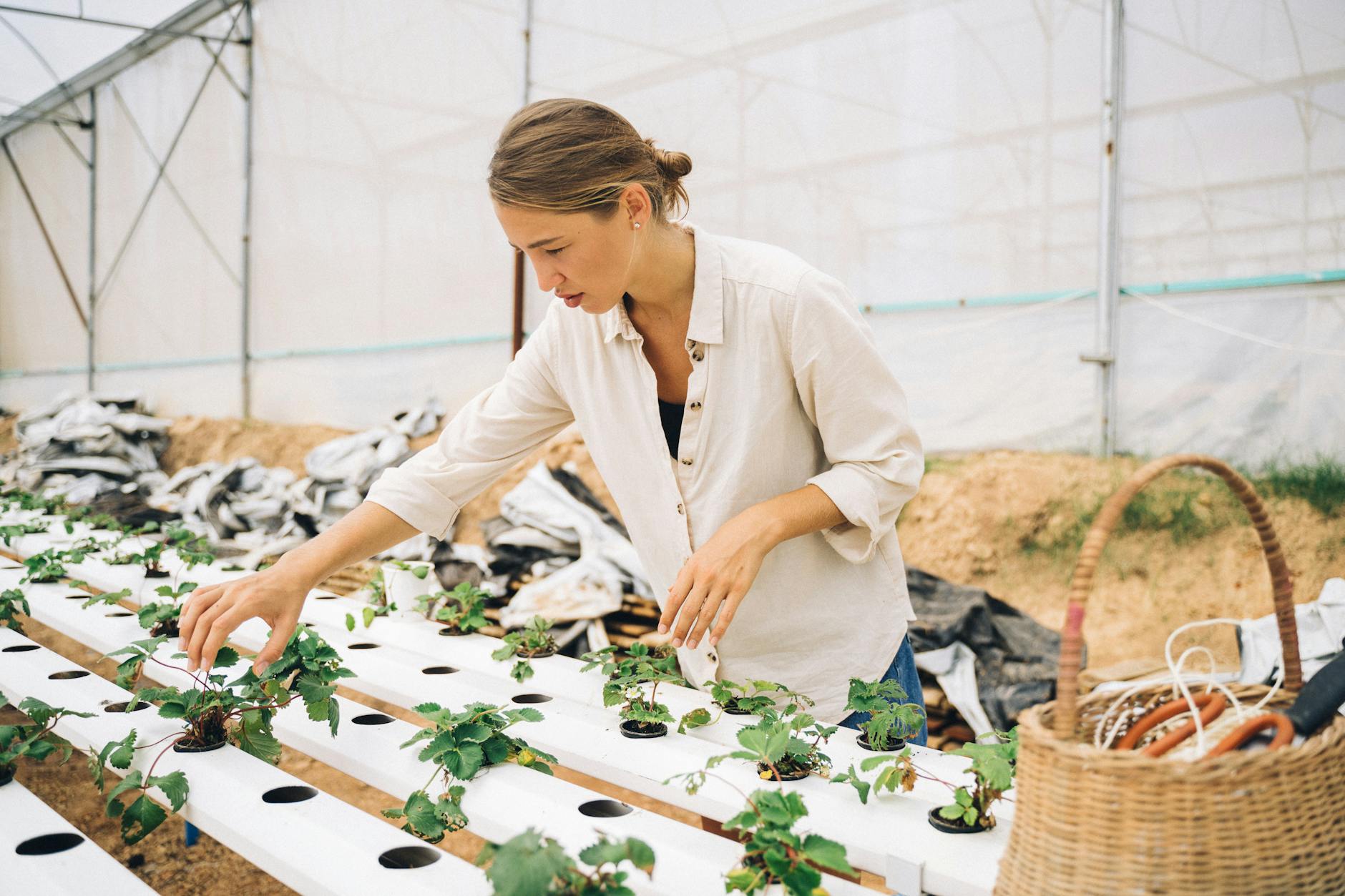
Outdoor gardens are seasonal. Winter means no fresh vegetables. Spring requires waiting. Fall is harvest only. Indoor systems eliminate seasonality. You’re growing in a controlled environment where temperature, humidity, and light never vary with weather. You harvest lettuce in December. You grow basil in January. You have fresh herbs year-round instead of relying on grocery stores. This consistency is genuinely transformative for people who live in cold climates or seasonal growing zones.
Fast Growth That Rewards Effort Quickly
Outdoor gardening requires patience. Plants take months to mature. Success feels distant. Hydroponic systems accelerate growth because plants access nutrients constantly without searching through soil. Lettuce grows in three weeks instead of eight. Herbs mature in two weeks instead of five. Tomatoes fruit in five weeks instead of twelve. This speed is incredibly rewarding. You see results quickly. Motivation stays high because harvests arrive fast. Children become fascinated because they see visible growth daily.
Space Efficiency That Works In Apartments And Small Homes
Outdoor gardens require yards. Container gardening still requires extensive space. Vertical indoor systems maximize space. Plants stack vertically so a two-by-two-foot footprint produces vegetables like a twenty-foot garden. You’re using vertical walls instead of horizontal floor space. Apartments with limited balconies can produce significant harvests. Studio apartments can grow enough herbs for daily cooking. Small homes suddenly have capacity for serious food production. This space optimization is revolutionary for urban gardening.
Food Quality That Beats Grocery Store Vegetables
Grocery vegetables are picked early to survive transportation. They’re ripened artificially. They taste mediocre because flavor wasn’t prioritized. Homegrown vegetables are picked ripe and consumed immediately. Flavor develops fully before harvest. Nutrient density is higher because plants mature in optimal conditions. That homegrown tomato is incomparably superior to supermarket alternatives. That basil has aroma that dried herbs can’t match. Quality improvement is the first thing people notice after their first harvest.
Chemical-Free Growing That Protects Your Family

Grocery produce is sprayed with pesticides and fungicides. These chemicals protect crops from pests but accumulate in your body. Home gardens eliminate pesticide exposure. You know exactly what’s on your vegetables because you grew them. No chemical residue. No unknown additives. Pure, clean produce for your family. This safety is invaluable for families with young children or anyone concerned about chemical accumulation.
Cost Savings That Justify Initial Investment Quickly
Grocery produce is expensive. That basil bunch costs five dollars and wilts in days. Home systems pay for themselves in harvests. Fresh herbs cost pennies when you grow them. Lettuce costs almost nothing. After six months of harvests, you’ve recovered the system cost entirely. Year two and beyond is pure savings. You’re producing food for less than grocery shopping, with superior quality and zero chemicals.
Educational Value For Children Learning About Plants
Children understand food comes from stores, not plants. Growing plants at home teaches real biology. They see seeds germinate. They watch roots develop. They watch leaves unfold. They harvest food they grew themselves. This connection to food production is transformative. Children who grow vegetables eat more vegetables. They understand nutrition differently. They respect food more because they’ve invested effort in its production.
- Hydroponic systems eliminate soil messiness while improving growth speed through efficient nutrient delivery.
- Automated monitoring and LED lighting remove complexity so anyone can succeed regardless of past plant failures.
- Year-round growing and fast maturity deliver fresh vegetables consistently instead of seasonal limitations.
- Space efficiency allows apartments and small homes to produce significant food harvests vertically.
- Chemical-free homegrown vegetables have superior flavor, nutrition, and safety compared to grocery produce.
Stop buying expensive grocery vegetables that taste mediocre. Stop accepting seasonal limitations on fresh produce. Stop assuming gardening requires yards or expertise you don’t have. Smart indoor gardening systems make growing food accessible to anyone. You’re not a farmer. You’re just someone who wants fresh vegetables in your home. That’s completely achievable now. Transform that empty corner into a productive garden. Grow basil, lettuce, tomatoes, and herbs year-round. Feed your family food you grew yourself. That’s the future of residential food production, and it starts in your home.