
Share This Article
Picking among macro plans meal delivery options usually comes down to one question: which macro split actually fits the goal in front of someone. fuel meals organizes its menu around three plan types, Performance, Muscle Gain, and Weight Loss, each built around a different balance of protein, carbs, and fat. The sections below break down how those plans differ and which meals show up most often across each one.
Understanding Fuel Meals’ Macro-Built Approach
fuel meals describes its menu as chef-made and macro-built, with every meal carrying a printed label for calories, protein, carbs, and fat. That label is the backbone of any macro plans meal delivery comparison, since guessing at nutrition numbers defeats the purpose of tracking intake. The brand lists over 45 meals across its menu, with new options added on a regular basis.
Meals are fully prepared and arrive ready to heat, needing roughly three minutes in a microwave. Each one includes a protein source described as antibiotic-free, and most meals fall somewhere between 40 and 60 grams of protein. That range gives a sense of scale before comparing how the three plan types diverge.
Performance Plan Meals and Balanced Macros
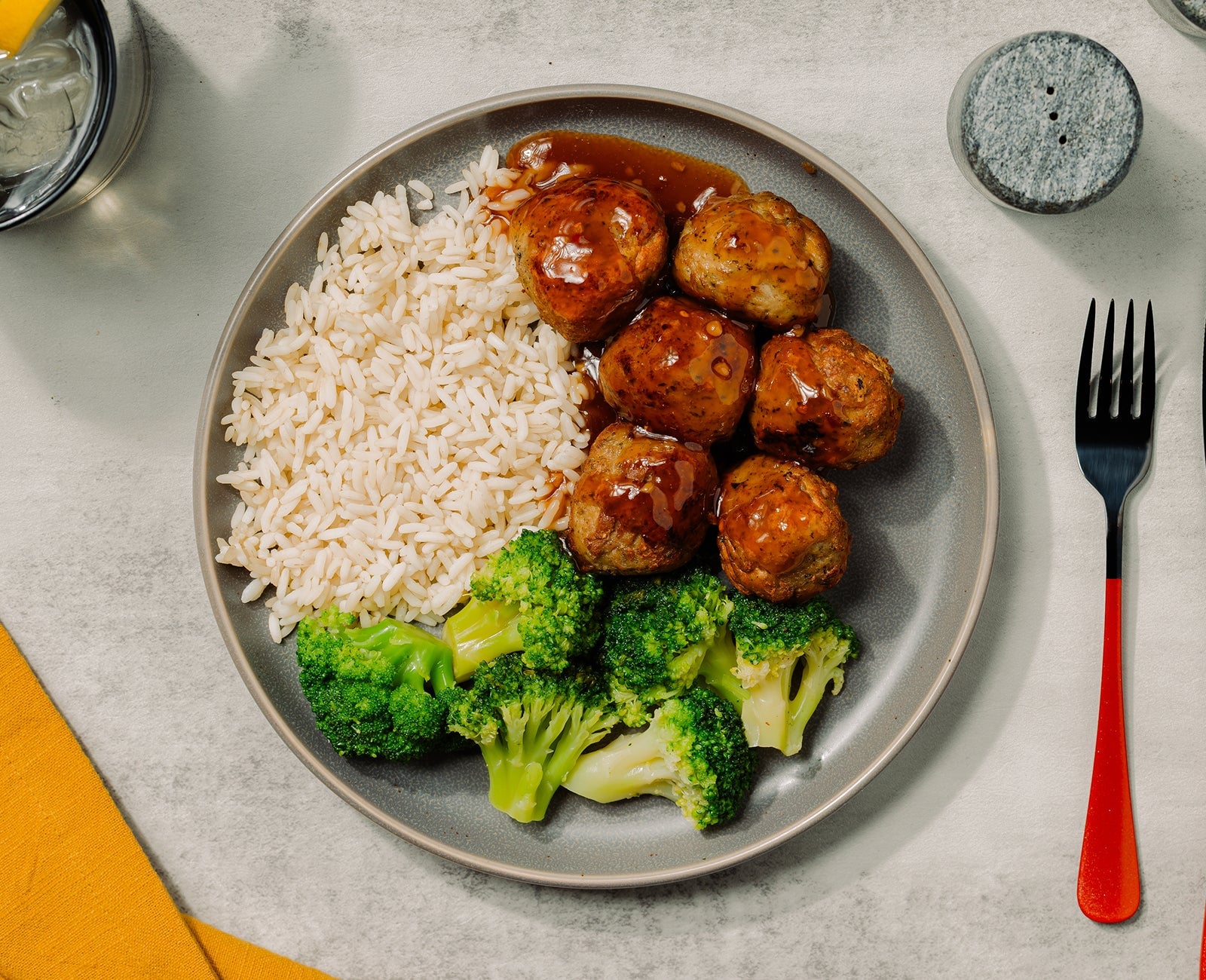
The Performance plan sits closer to the middle of the macro spectrum, pairing moderate protein with carbs and fat in roughly even proportions. It is built for routines that need steady fuel rather than an extreme skew in any one macro, which is a common target among delivery shoppers who train several times a week.
This balance is visible in meals such as General Tsos Meatballs, which carries 30 grams of protein alongside 61 grams of carbs and 26 grams of fat. Fuel Meals positions this plan as one designed to match an everyday training routine without pushing calories or protein to the upper end of the menu.
Muscle Gain Plan: Higher Protein and Calorie Density

Meals built for the Muscle Gain plan tend to carry higher protein counts alongside denser calorie totals, and two best sellers show how that density plays out differently. Buffalo Chicken Mac & Cheese reaches 64 grams of protein, 68 grams of carbs, and 23 grams of fat at 750 calories, while Pulled Pork Mac & Cheese lands at 49 grams of protein, 49 grams of carbs, and a heavier 39 grams of fat at 740 calories, giving the two meals nearly identical calorie counts built from opposite fat-to-carb ratios.
Customer accounts on fuel meals‘ transformations page describe using the Muscle Gain plan to support training routines and body composition changes over several months. One account mentions a three month stretch on the plan paired with a measured drop in body fat. These are individual testimonials rather than guaranteed outcomes, but they show how the plan is used in practice.
Weight Loss Plan Macros and Portion Structure
The Weight Loss plan leans toward meals with a higher protein share relative to fat and carbs, keeping overall calories lower without dropping protein. Grilled Chicken Pesto fits this pattern closely, with 56 grams of protein, 32 grams of carbs, and only 21 grams of fat for 550 calories, a leaner ratio than either Mac & Cheese option in the Muscle Gain lineup. Chicken Penne Vodka follows a similar shape, carrying 52 grams of protein and just 14 grams of fat against 49 grams of carbs.
fuel meals customers using the Weight Loss plan, according to the brand’s own testimonials, have described it as useful for maintaining consistency during demanding training schedules, including hybrid endurance and strength routines. That combination of higher protein with a lighter fat load is a common target for anyone comparing macro plans meal delivery services built around weight management.
Best Sellers Across Plan Types: General Tsos Meatballs, Swedish Turkey Meatballs, and Grilled Chicken Pesto
Three meals show up repeatedly across the best sellers list, and each lands in a different corner of the macro chart, from carb-forward to protein-forward to a middle ground between the two. Swedish Turkey Meatballs delivers 35 grams of protein, 52 grams of carbs, and 35 grams of fat for 670 calories, landing between the Performance and Muscle Gain profiles. Grilled Chicken Pesto, already noted above, leans toward the leaner end suited to weight management goals.
General Tsos Meatballs rounds out the trio with a higher carb count relative to protein, making it a fit for routines that call for more carbohydrate fuel. That spread across a single best sellers list is part of what makes comparing plan types useful before settling on a weekly order.
- General Tsos Meatballs carries 30 grams of protein, 26 grams of fat, and 61 grams of carbs across 610 calories.
- Swedish Turkey Meatballs provides 35 grams of protein, 35 grams of fat, and 52 grams of carbs across 670 calories.
- Grilled Chicken Pesto offers 56 grams of protein, 21 grams of fat, and 32 grams of carbs across 550 calories.
- Buffalo Chicken Mac & Cheese reaches 64 grams of protein alongside 68 grams of carbs and 23 grams of fat for 750 calories.
- Chicken Penne Vodka combines 52 grams of protein with just 14 grams of fat and 49 grams of carbs for 540 calories.
Chef-Made Quality and Antibiotic-Free Protein Standards
Every meal across the fuel meals menu is chef-made rather than assembled from a kit, meaning it arrives fully cooked and only needs reheating. This applies across all three plan types, so the preparation standard does not change based on which macro profile is chosen. The brand also states that its proteins are antibiotic-free across the board, a detail that applies to Performance, Muscle Gain, and Weight Loss meals alike.
A full macro label on every meal, combined with a three minute heating time, is part of what the brand points to when describing its approach to macro plans meal delivery. Reviews on the site currently average 4.7 stars, reflecting feedback left by customers across the different plans. The menu’s breadth, with more than 45 meals and new additions arriving regularly, keeps that consistency across a wide rotation of options.
Side by side, the three plans show how differently the same menu can structure a plate for different goals. That range of macro plans meal delivery options gives a way to match a weekly order to a specific training phase rather than picking meals at random.
