
Share This Article
European design traditions emphasize restraint, functionality, and aesthetic sophistication—form follows function while maintaining refined elegance. French design philosophy particularly influences global aesthetic standards through emphasis on understated luxury and purposeful simplification. Contemporary smart home technology increasingly incorporates design principles reflecting cultural sophistication rather than pure functionality. FR-Roborock exemplifies this philosophy through robot vacuum design emphasizing European aesthetic tradition alongside advanced automation. For design-conscious households, urban professionals, and anyone seeking home technology respecting interior aesthetic, thoughtfully designed automation represents genuine lifestyle upgrade. The combination of sophisticated design, reliable automation, and seamless smart home integration transforms cleaning from household obligation into background system respecting refined living spaces.
Understanding European Design Aesthetics in Home Automation
Technology frequently appears as visual intrusion—bulky equipment and obvious mechanical components disrupt carefully considered interior design. French and European design traditions resist this disruption through aesthetic integration emphasizing visual harmony. FR-Roborock reflects European design principles through refined form language, neutral colorways supporting diverse interior styles, and proportioning respecting human-scale spaces. Rather than announcing technological presence, thoughtfully designed automation integrates seamlessly into living environments. Design integration represents essential consideration distinguishing technology enhancing lifestyle from equipment dominating spaces. Parisian apartments particularly benefit from this design philosophy—limited square footage demands equipment respecting existing aesthetic rather than creating visual clutter.
Quiet Operation and Acoustic Design
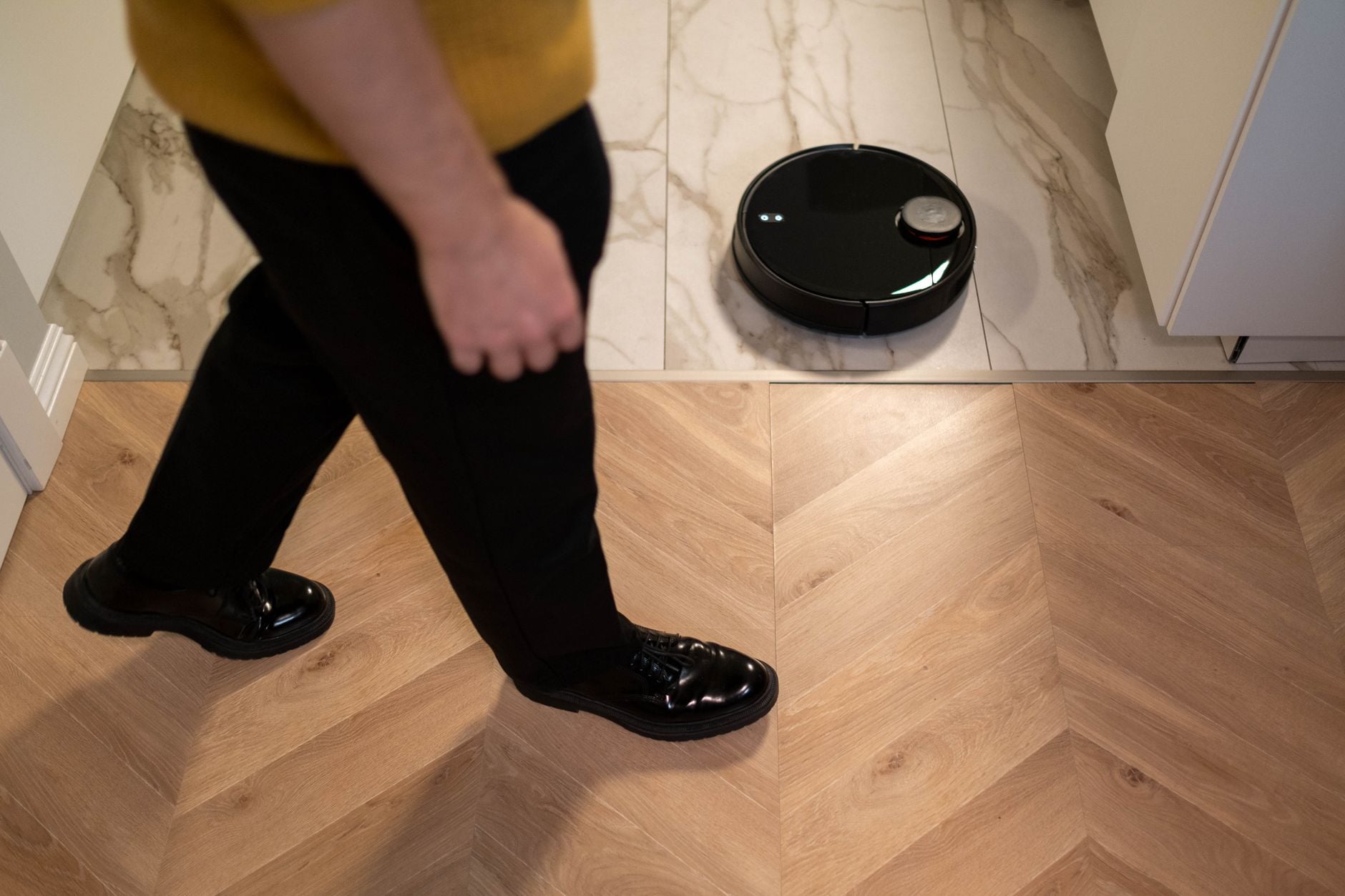
Mechanical devices create noise disrupting peaceful home environments—vacuum operation traditionally necessitates scheduling around quiet hours and social activities. Sophisticated engineering minimizes acoustic disturbance through motor isolation, aerodynamic design, and soundproofing materials. Advanced acoustic design enables neighborhood-respectful operation, enabling cleaning during normal hours without disturbing residents or others. Quiet operation represents underappreciated design achievement fundamentally improving daily life quality through noise reduction. European cities with dense populations particularly benefit from quiet technology enabling daytime automation without noise complaints or neighbor friction. Apartment living standards in European cities emphasize quiet operation as essential feature rather than optional luxury.
Material Selection and Tactile Quality
Premium products emphasize material quality extending beyond visual appearance to tactile experience. Refined material selection in charging docks, control interfaces, and external surfaces creates objects inviting interaction rather than mechanical avoidance. Premium material choices reflect design intentionality, distinguishing technology respecting user interaction from purely functional equipment. Sophisticated users recognize material quality as design language communicating value and aesthetic consideration. European manufacturing traditions emphasize material craftsmanship creating heirloom-quality technology rather than disposable equipment. Scandinavian minimalism particularly influenced this philosophy through emphasis on natural materials and understated elegance.

Seamless Smart Home Ecosystem Integration
Modern automation requires ecosystem compatibility—single devices serving limited purposes versus coordinated systems creating comprehensive home intelligence. European-designed automation emphasizes system integration through standardized protocols and thoughtful integration points. Voice assistant compatibility, scheduling systems, and sensor networks enable seamless coordination creating intelligence exceeding individual components. Ecosystem design enables comprehensive home automation, supporting sophisticated users building coordinated systems enhancing lifestyle quality. This integration philosophy enables expanding automation gradually, with each component enhancing overall system intelligence. European smart home standards emphasize interoperability enabling users selecting components from diverse manufacturers without vendor lock-in limitations.
User Interface and Intuitive Interaction Design
Complex technology frequently frustrates users through poor interface design—overwhelming options, unclear workflows, and non-intuitive interaction patterns. Superior design emphasizes clarity and accessibility enabling confident user engagement without instruction manual consultation. Intuitive interfaces reveal functionality progressively—basic operation simple while advanced features remain accessible for sophisticated users. Interface design enabling intuitive interaction represents marker of design maturity distinguishing premium products from feature-laden confusion. European design traditions emphasize user clarity and accessibility enabling all demographics confidently operating sophisticated technology. German engineering emphasizes reliability and user clarity as foundational principles distinguishing quality approaches from complexity-focused alternatives.
Maintenance Accessibility and Service Sustainability
Equipment durability depends on maintenance—accessibility, spare parts availability, and intuitive service procedures determine long-term ownership viability. European design traditions emphasize maintainability enabling decades of reliable service. Modular construction enables component replacement without full equipment replacement. Serviceability design supports extended equipment lifespan, demonstrating manufacturer commitment to sustainability and customer value. Long-term ownership becomes feasible when maintenance remains accessible and cost-effective. This sustainability philosophy reflects European environmental consciousness prioritizing durability over constant replacement cycles. EU right-to-repair legislation increasingly mandates manufacturer responsibility for parts availability and repair accessibility.
Noise Reduction and Acoustic Environment Control
Quality of life in urban environments depends significantly on acoustic comfort—excessive noise creates stress and health impacts. Sophisticated engineering minimizes mechanical noise through motor isolation, aerodynamic optimization, and acoustic materials. Operating during daytime hours becomes socially responsible when equipment operates quietly. This consideration for shared acoustic environment reflects European design philosophy emphasizing community welfare alongside individual benefit. Environmental consciousness increasingly recognizes noise pollution as significant quality-of-life factor. European cities implement strict noise regulations enforcing quiet operation standards protecting residential quality of life.
Aesthetic Consistency and Design Language
Cohesive design languages create visual harmony—consistent aesthetic across multiple products and touchpoints creates satisfying environmental experience. Premium brands maintain design consistency enabling confident aesthetic integration. FR-Roborock reflects consistent design philosophy across product lines, creating visual coherence distinguishing curated systems from eclectic equipment aggregation. This design consistency philosophy ensures automation systems enhance rather than disrupt carefully considered interior environments. Contemporary design movements emphasize coherent aesthetic expression over trend-chasing eclecticism.
European Sustainability and Environmental Responsibility
European environmental standards emphasize product longevity and responsible resource use. Design philosophies prioritize durability extending equipment lifespans, reducing replacement frequency and associated environmental impact. Manufacturing processes emphasize efficiency and waste reduction reflecting regulatory requirements and cultural values. This sustainability dimension represents core design principle rather than marketing afterthought. Sustainable design philosophy reflects European values, creating products serving genuine environmental responsibility alongside user benefit.
European design traditions emphasize functionality enhanced through aesthetic sophistication—technology serving human needs while respecting living spaces. Contemporary home automation increasingly reflects this philosophy through refined design enabling seamless integration. FR-Roborock exemplifies this approach through sophisticated engineering, aesthetic restraint, and reliable automation. For design-conscious individuals, urban professionals, and anyone refusing compromises between functionality and aesthetic integrity, thoughtfully designed automation enables lifestyle enhancement respecting refined living environments.