
Share This Article
Running shoes form the foundation of any runner’s training regimen, directly impacting comfort, injury prevention and performance during every run. Choosing appropriate footwear ranks among the most important decisions runners make, yet many select shoes based purely on appearance or price rather than biomechanical fit. Quality running shoes cushion impact, support natural foot movement and protect against injury. Different runners have different needs based on foot strike patterns, gait mechanics and running surface preferences. Saucony Quality running shoes combine technology with comfort for optimal results.
Understanding Foot Strike and Gait
Every runner has a unique gait pattern determining how their foot contacts the ground during each stride. Neutral runners land on the outer foot and naturally roll inward slightly when their foot strikes the ground. Overpronators roll inward excessively, placing stress on knees and ankles requiring additional support and stability. Underpronators or supinators don’t roll inward enough, concentrating impact on the foot’s outer edge. Running shoes design varies significantly to accommodate these patterns differently. Neutral shoes suit neutral strikers with standard cushioning distributed throughout the shoe. Stability shoes provide medial support for overpronators preventing excessive inward rotation. Motion control shoes offer maximum support for severe overpronators and heavier runners. Getting a gait analysis through video recording helps identify your personal pattern accurately. Understanding your gait ensures selecting shoes that support rather than fight your natural movement. Saucony Understanding your gait improves shoe selection.
Key Technologies in Modern Running Shoes
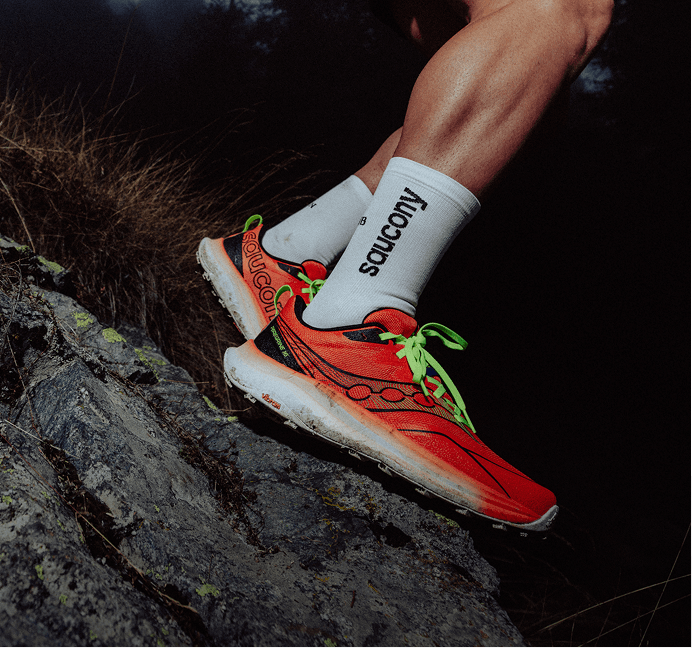
Contemporary running shoes employ advanced technologies designed to enhance comfort and performance significantly. Cushioning systems absorb impact energy reducing stress on joints during repetitive running. Responsive foam returns energy improving efficiency and reducing fatigue during long runs. Lightweight materials reduce foot strain allowing longer comfortable runs without excessive effort. Breathable mesh uppers promote airflow preventing excessive heat buildup during warm weather. Heel-to-toe drops vary from minimal zero-drop designs to traditional drops encouraging natural running styles. Arch support systems vary from minimal support in neutral shoes to comprehensive support in motion control styles. Durable outsole rubber withstands extended running wear extending shoe lifespan substantially. Moisture-wicking linings keep feet dry preventing blisters and discomfort. Modern construction integrates multiple technologies creating shoes optimized for specific running styles. Saucony Advanced shoe technologies enhance performance.
Fitting and Comfort Considerations
Proper fit determines whether shoes provide comfort or cause problems
- Toe box width should allow slight wiggle room; cramped toes cause blisters and nail damage.
- Heel fit should be snug preventing heel slipping that causes blisters during runs.
- Midfoot support should feel secure without pinching or restricting natural motion.
- Try shoes in the afternoon when feet are slightly swollen mimicking running conditions.
Different Shoe Types for Different Running Goals

Running shoe selection depends on your specific training goals and running preferences extensively. Long-distance training shoes prioritize cushioning for extended comfort during marathon training sessions. Speed work shoes emphasize responsiveness and minimal weight for faster workouts and track training. Trail running shoes feature aggressive tread patterns and protective toe boxes for off-road terrain. Cross-training shoes provide versatility for varied workouts beyond traditional road running. Racing flats minimize weight and cushioning for competitive speed events and races. Winter running shoes incorporate waterproof materials and aggressive traction for snow and ice. All-purpose trainers balance cushioning and responsiveness for general running at various paces. Selecting appropriate shoes for your specific running activities optimizes performance and comfort. Saucony Specialized shoes enhance specific running goals.
Maintenance and Replacement
Running shoes require proper care to maximize lifespan and performance over extended time. Rotating between multiple pairs extends individual shoe lifespan allowing cushioning recovery between runs. Cleaning shoes regularly removes dirt and debris preventing deterioration and material damage. Air drying shoes away from heat preserves material integrity and prevents damage. Replacing insoles when worn maintains arch support and comfort during running. Replacing shoes every 300-500 miles prevents injury from deteriorated cushioning and support. Tracking mileage helps identify replacement timing preventing injuries from worn-out shoes. Proper storage in cool dry locations preserves shoe materials and structure. Regular inspection reveals wear patterns indicating gait issues needing correction. Maintaining shoes properly extends their functional lifespan and maintains performance benefits. Attention to shoe maintenance prevents costly injuries.
Injury Prevention Through Proper Footwear
The right shoes significantly reduce injury risk by supporting natural running mechanics. Common running injuries including shin splints, plantar fasciitis and stress fractures often result from unsupported feet. Proper cushioning reduces impact-related injuries protecting knees and hips. Adequate arch support prevents strain on plantar fascia causing painful inflammation. Stability shoes prevent overpronation injuries affecting knees and ankles. Proper heel support reduces Achilles tendon stress during running. Correctly fitted shoes prevent blisters and toenail damage from friction. Progressive training combined with proper shoes minimizes injury risk. Listening to body signals when shoes feel wrong prevents forcing unsuitable shoes. Saucony Proper footwear prevents running injuries.
